

Heat Pumps: The Future of Home Comfort and Energy Efficiency
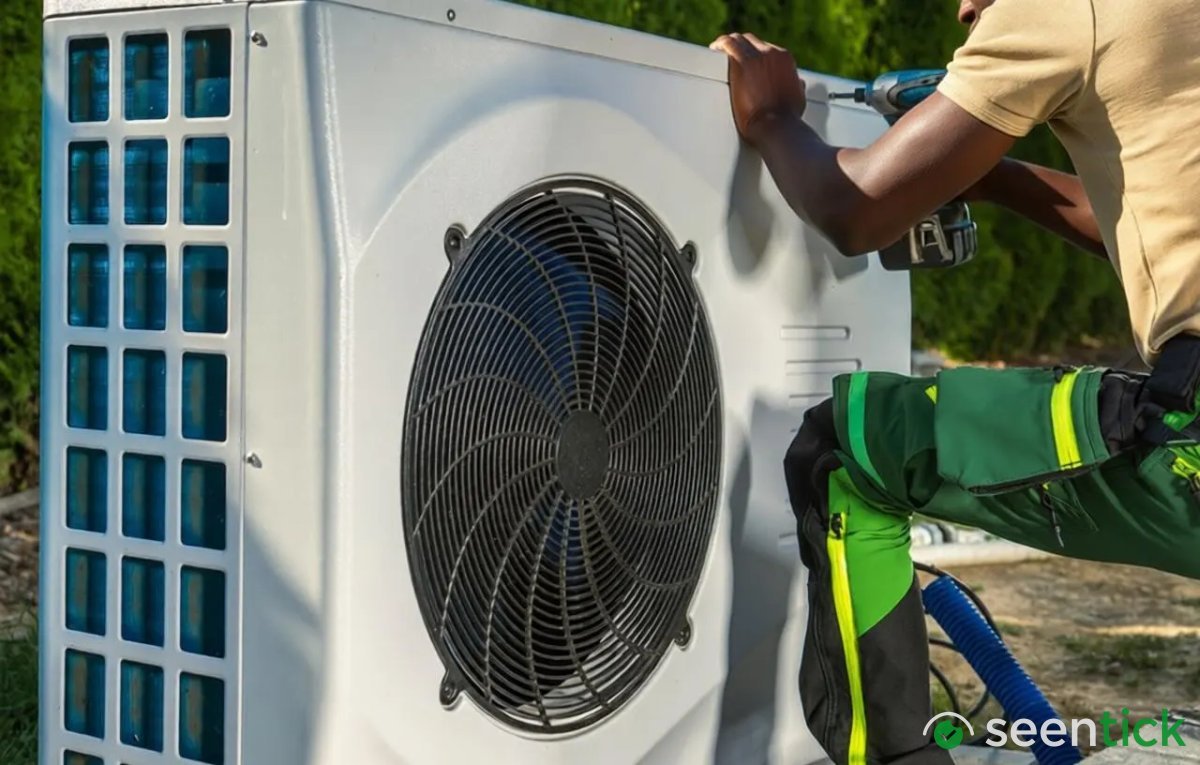
Heat Pumps: The Future of Home Comfort and Energy Efficiency
Key Highlights
- Heat pumps can be an excellent heating solution after ensuring proper system selection and design and installation practices.
- Modern heat pumps have overcome past performance issues, especially in cold climates, thanks to innovations like variable-speed compressors and enhanced cold-weather technology.
- These advancements allow them to efficiently move heat, rather than generate it, making them a viable solution for home comfort and energy.
Heat pumps have long been misunderstood as an inferior alternative to traditional furnaces for providing warmth in cold climates. However, with advancements in technology and a deeper understanding of their operation, heat pumps are emerging as a viable solution for home comfort and energy efficiency.
In recent years, the performance of modern heat pumps has significantly improved, particularly in cold temperatures, thanks to innovations like variable-speed compressors and enhanced cold-weather technology. These advancements allow heat pumps to efficiently move heat, rather than generate it, making them an attractive option for homeowners seeking a more environmentally friendly and cost-effective heating solution.
However, optimal performance requires more
However, optimal performance requires more than just advanced equipment; the entire home system must be considered. Crucial factors include proper load calculations, evaluating the home's insulation and ductwork, and ensuring expert installation and commissioning. Homeowners should engage knowledgeable contractors who can assess their specific needs, explain cold-weather capacity, and verify system performance.
For decades, heat pumps have had a reputation problem. Ask a homeowner who lived with an older heat pump in a cold climate, and you may hear stories about cold air blowing from the registers, expensive electric bills, or emergency heat running whenever the temperature dropped. Those experiences shaped how an entire generation thought about heat pumps.
A heat pump is essentially an air conditioner that can operate in both directions. During the summer, it removes heat from inside your home and transfers it outdoors. During the winter, the process reverses and collects heat from the outdoor environment and moves it inside.
This concept may seem counterintuitive, as we typically associate heat with being generated indoors rather than extracted from outside.
Read More: Trump Attacks Judge Overseeing Kennedy Center Case-Calls Him ‘Highly Conflicted’
This is also why comparing a heat pump directly with a furnace can be misleading. A furnace creates heat That distinction is the foundation of the technology and one of the reasons heat pumps can operate so efficiently.
Heat pumps are not new. The basic refrigeration principles behind them have been understood for generations, and heat pumps have been installed in American homes for decades. However, traditional heat pumps typically used compressors that operated much more like an on/off switch.
The equipment would turn on at essentially full capacity, satisfy the thermostat, and shut down. As outdoor temperatures fell, however, the home's heating demand increased while the heat pump's available heating capacity generally decreased.
Eventually, those two lines could cross, and the home would need more heat than the heat pump could provide. In many systems, that meant relying on electric resistance auxiliary heat, which is where some of the old heat pump horror stories originated.
The heat pump itself might have been operating, but the homeowner could increasingly rely on expensive resistance heat during cold weather.
One of the biggest changes in modern heat pumps is variable-speed compressor technology. Instead of simply turning on and off, many modern inverter-driven compressors can adjust their speed and capacity based on what the house needs. Brent Davidson, founder of the U.S.
Heat Pump Summit, points to variable-speed compressors and cold-climate technology as two of the biggest changes behind today's heat-pump performance.
Davidson compares the older approach of operating a compressor at full speed to flooring the accelerator every time you drive a car. Variable-speed technology, he explained, is "sort of like adding a transmission to the car," allowing the equipment to better adjust its output to the home's actual heating or cooling demand.
Also Read: Sold home jointly owned with wife? You can claim 100% LTCG
That analogy gets to the heart of the technology. When the house needs a small amount of heating, the compressor can operate at a lower output. When temperatures fall and the house needs more heating, the compressor can increase its output to meet the increased demand.
This ability to adjust its performance in real-time makes variable-speed compressors a game-changer for heat pump efficiency.
When the house needs a small amount of cooling, the compressor can also operate at a lower output. When temperatures rise and the house needs more cooling, the compressor can increase its output to meet the increased demand.
This flexibility allows modern heat pumps to provide both heating and cooling with equal efficiency, making them an attractive option for homeowners seeking a single-source solution.
Heat pump technology has also become more advanced in terms of cold-climate performance. Modern systems are designed to handle extremely low temperatures, often down to -20°F or lower, without sacrificing performance. This is made possible
What's Your Reaction?
 Like
Like
 Dislike
 Love
Love
 Funny
Funny
 Wow
Wow
 Sad
Sad
 Angry
1
Angry
1

I write about the forces shaping business and the global economy, from startup growth and changing markets to international trade and policy. My work focuses on breaking down complex developments into clear, practical insights and understanding what they could mean for businesses, investors, and the wider economy.














Comments (0)