

Samsung might ditch Galaxy S27 Ultra's 3x and 5x cameras for an all-new zoom sensor
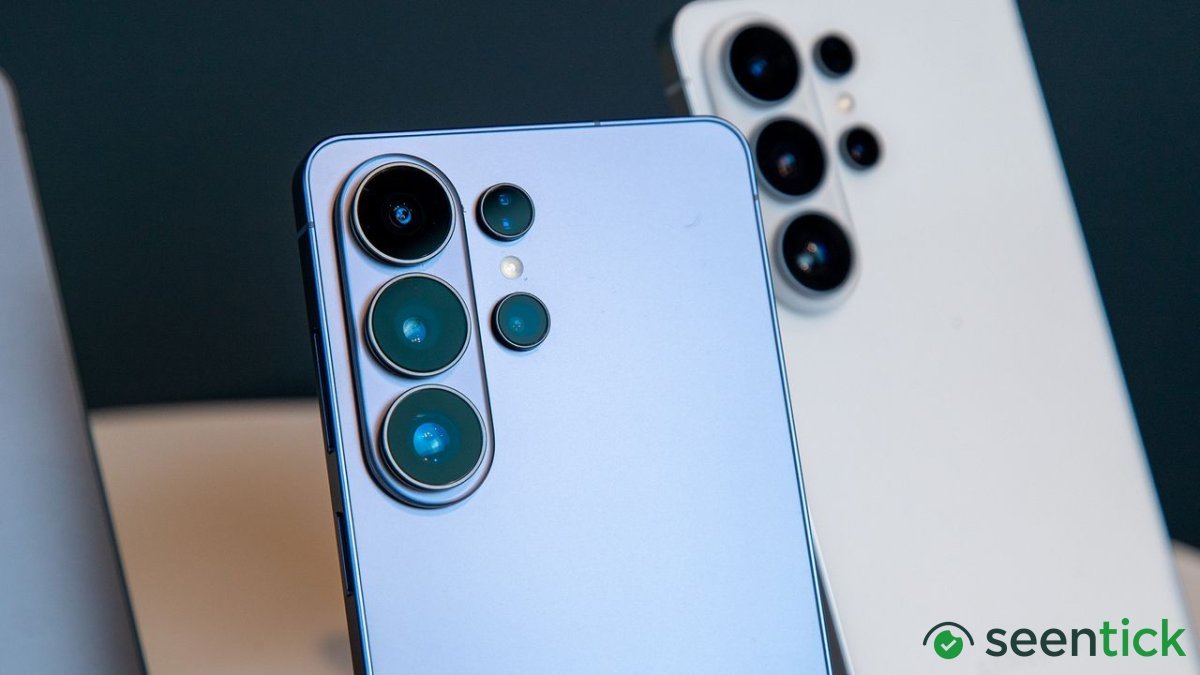
Samsung might ditch Galaxy S27 Ultra's 3x and 5x cameras for an all-new zoom sensor
Key Highlights
- Samsung is reportedly considering replacing the separate 3x and 5x telephoto lenses on the Galaxy S27 Ultra with a single, high-resolution variable zoom sensor.
- The proposed camera architecture aims to deliver continuous optical zoom quality across intermediate focal lengths while saving internal component space.
- The change reflects an industry shift toward larger, unified telephoto modules supported by advanced computational imaging.
Samsung may be planning a significant overhaul of its flagship camera configuration starting with the upcoming Galaxy S27 Ultra. According to emerging supply chain reports, the South Korean tech giant is exploring the removal of its traditional dual-telephoto arrangement-currently consisting of dedicated 3x and 5x optical zoom lenses-in favor of a single, highly advanced variable telephoto sensor capable of seamless multi-range focal coverage.
Read More: I tested CMF's $20 Buds Neo earbuds, and I can't believe
For several generations, Samsung's top-tier Ultra models have relied on two distinct telephoto modules to cover mid-range and long-distance zoom photography. While this hardware approach offered reliable clarity at fixed magnifications, it also introduced internal space constraints and noticeable optical shifts when transitioning between different focal lengths during video recording and continuous shooting.
Samsung Galaxy S27 Ultra: Camera Architecture and Optical Precision
The transition toward a unified variable zoom module would allow Samsung to incorporate a physically larger image sensor with wider apertures. Industry observers note that a single, high-grade telephoto sensor with movable optical elements can provide sharper results across intermediate zoom levels (such as 3.5x, 4x, and 7x) compared to fixed focal length lenses relying heavily on digital in-sensor cropping.
By streamlining the camera module architecture, Samsung engineers could also free up valuable internal volume inside the chassis for upgraded thermal dissipation hardware, larger battery capacities, or specialized image signal processors. While commercial deployment remains slated for future production cycles, this development highlights Samsung's strategic focus on next-generation optical precision and streamlined mobile photography.
What's Your Reaction?
 Like
1
Like
1
 Dislike
 Love
Love
 Funny
Funny
 Wow
1
Wow
1
 Sad
Sad
 Angry
Angry

Tech journalist and AI enthusiast who enjoys keeping up with the latest in hardware, processors, emerging AI tools, and software. I like digging into new technology, understanding how things actually work, and following the developments that could shape the way we use technology in the future.














Comments (0)