

Afghanistan Returns: A Desperate Exodus of Refugees
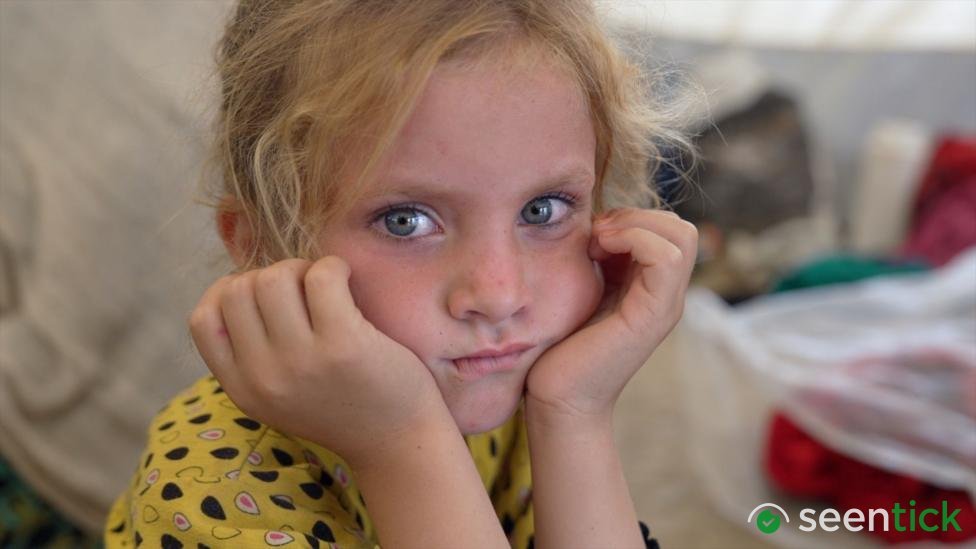
Afghanistan Returns: A Desperate Exodus of Refugees
Key Highlights
- This video can not be played Watch: BBC's Lyse Doucet reports on the biggest cross-border movement of people The elderly grimace, hobbling on crutches, and wide-eyed children stare, cradling chickens carried from homes they were forced to leave behind.
- "It feels good to be in my own country," 35-year-old Nazia says, just minutes after she crosses from Pakistan, where she was born, into Afghanistan.
- The Torkham crossing, known as "Zero Point", is where one hard life ends and another begins.
The world is witnessing a massive exodus of people from Afghanistan to neighboring countries Pakistan and Iran. According to the United Nations High Commissioner for Refugees (UNHCR), nearly six million Afghans have been forced to return home since the Taliban took power in August 2021, with over one million more returning this year alone.
These refugees are not just ordinary migrants; they are often families who have lived abroad for decades and have never seen their homeland again. For Nazia, a 35-year-old woman from Pakistan, crossing into Afghanistan feels like the end of one hard life and the beginning of another.
"It feels good to be in my own country," she says, "but I've never been here before and many people here don't even have enough bread to eat." Her family, including eight sisters and their children, were deported from Pakistan or Iran this year after being undocumented for years.
The UNHCR has described the current situation as a "massive return movement" that is unprecedented in recent history. Charlie Goodlake, spokesperson for the UNHCR in Afghanistan, notes that "in a little under three years, we've seen six million people come back to Afghanistan." The reasons behind this massive exodus vary, but both Pakistan and Iran claim that Afghans are being forced to return due to security concerns and economic burdens.
However, human rights groups argue that the expulsions are often based on prejudice and harassment.
Read More: John Galliano exhibition at New York Met cancelled after backlash
One family that has been affected Sarwar explains that he left Afghanistan 45 years ago during the Soviet invasion and spent most of his life in Pakistan. Despite being forced to return home, Sarwar feels "happy because I am finally free of harassment." However, many other families have reported experiencing similar forms of prejudice and abuse.
The situation at the Torkham crossing is dire, with many returnees facing a precarious future. Zarina, Sarwar's sister-in-law, laments that they will struggle to rebuild their lives in Afghanistan. "We don't know what the future holds for us," she says.
"We've been told we have to register with the government and provide proof of our identity, but there are no guarantees that this will be enough." The UNHCR has called on both Pakistan and Iran to ensure that registered Afghans are not targeted in these expulsions.
The mass deportations from Pakistan and alleged abuse intensified after a major escalation in fighting between the two countries last October. In February, Human Rights Watch highlighted "door-to-door raids, late-night home searches and arrests without warrants." In Iran, which claimed to host over four million undocumented Afghans, the expulsions were accelerated after its 12-day war with Israel and the US in June 2025.
The New York-based Centre for Human Rights in Iran accused the authorities of using the post-war climate to "cast suspicion on Afghan migrants - accusing them of espionage and branding them as potential spies for Israel." However, the true reasons behind these expulsions remain unclear. What is certain, however, is that millions of Afghans have been forced to flee their homeland in search of safety and security.
The Torkham crossing, known as "Zero Point," is a critical juncture in this massive exodus. For those fleeing Afghanistan, it represents the end of one hard life and the beginning of another. As Nazia says, "It feels good to be in my own country." But for many others, including Sarwar's family, the future is uncertain and fraught with peril.
Also Read: Swiss Rave Shooting: Man Arrested After Italian Woman's Death
The situation at the Torkham crossing is dire, with many returnees facing a precarious future. Zarina, Sarwar's sister-in-law, laments that they will struggle to rebuild their lives in Afghanistan. "We don't know what the future holds for us," she says.
The UNHCR has called on both Pakistan and Iran to ensure that registered Afghans are not targeted in these expulsions.
The mass deportations from Pakistan and alleged abuse intensified after a major escalation in fighting between the two countries last October. In February, Human Rights Watch highlighted "door-to-door raids, late-night home searches and arrests without warrants." In Iran, which claimed to host over four million undocumented Afghans, the expulsions were accelerated after its 12-day war with Israel and the US in June 2025.
The New York-based Centre for Human Rights in Iran accused the authorities of using the post-war climate to "cast suspicion on Afghan migrants - accusing them of espionage and branding them as potential spies for Israel." However, the true reasons behind these expulsions remain unclear. What
What's Your Reaction?
 Like
Like
 Dislike
 Love
Love
 Funny
Funny
 Wow
2
Wow
2
 Sad
Sad
 Angry
1
Angry
1

I write about the forces shaping business and the global economy, from startup growth and changing markets to international trade and policy. My work focuses on breaking down complex developments into clear, practical insights and understanding what they could mean for businesses, investors, and the wider economy.











Comments (0)