

South Korean Police Officer Admits to Closing Missing Person
South Korean Police Officer Admits to Closing Missing Person
Key Highlights
- The police officer, known A South Korean police officer has admitted to closing missing persons cases without investigating them in order to avoid additional work, according to authorities.
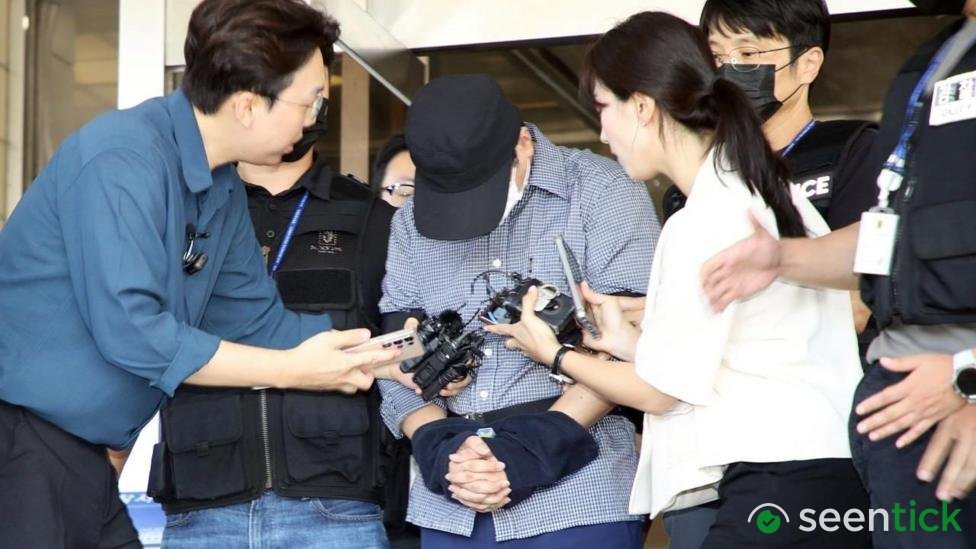
- The officer, surnamed Bu, was arrested earlier this month after he was accused of prematurely closing cases on the popular holiday island Jeju and lying to missing persons' families.
- Amid mounting public criticism, police embarked on belated searches for several missing persons on the island, and have since discovered four bodies in recent weeks.
A South Korean police officer has admitted to closing missing persons cases without investigating them in order to avoid additional work, according to authorities. The officer, surnamed Bu, was arrested earlier this month after he was accused of prematurely closing cases on the popular holiday island Jeju and lying to missing persons' families.
The scandal has highlighted a systemic issue within South Korea's police force, where corruption and incompetence have been long-standing concerns. According to data from the National Police Agency, more than 70,000 adults are reported missing in South Korea each year, with an astonishing 99% of cases being marked as resolved within a month.
This has led many to question how such a large number of cases can be closed without thorough investigation.
The case of Officer Bu is particularly egregious, as he was accused of falsely claiming that he had spoken to several missing persons and their families, only to close the cases without further action. In one notable case, 37-year-old woman Jang Mi-ran went missing in May and was reported missing at the time.
Bu told her boyfriend that she had spoken to him and did not want to meet with the police or be contacted, when in reality, he had entered false information into the system and logged that she had died in a traffic accident.
Police have since discovered Jang's body near a palm tree plantation on Jeju, and it is believed that Bu may have prematurely closed at least two high-profile cases. In another case, a man in his 60s was reported missing in July, and Bu falsely claimed that he had spoken to the man and that the man did not want to be contacted.
Read More: They fell in love - then had to check they weren't brother and sister
The man's body was eventually found earlier this month.
Police have also revealed that they believe Officer Bu may have prematurely closed another 25 missing persons cases, although some of those cases were later confirmed to be alive and safe. This has raised concerns about the police force's ability to handle sensitive cases without corruption or incompetence.
In response to the scandal, President Lee Jae Myung has vowed to reform the police, stating that "it is regrettable that because of a few 'loach-like figures who muddy the well water', the honour and pride of the majority of diligent police officers are being damaged."
The government had recently passed laws to transfer full investigative power from prosecutors to the police, a move intended to curtail the prosecutors' influence in politics. However, this move has been unpopular among the public, who have long accused the police of corruption and incompetence.
The scandal on Jeju has highlighted the need for greater transparency and accountability within the police force.
President Lee's vow to reform the police comes at a politically sensitive time, as the government prepares to give the police more powers. While the intention behind this move is to strengthen the police force, it has also raised concerns about the potential erosion of public trust in the institution.
The case of Officer Bu serves as a stark reminder of the need for greater accountability and transparency within the police force. As one observer noted, "the honour and pride of the majority of diligent police officers are being damaged" It is imperative that the government takes swift and decisive action to address this issue and restore public trust in the police.
Also Read: WhatsApp Group Uncovers € Billions in Criminal Cash Flows, Fuels Extremist Funding
The discovery of four bodies on Jeju has also highlighted the human cost of corruption within the police force. The families of those who have lost loved ones are left to wonder how their loved ones' cases were handled, and whether they could have been saved if only the police had acted with greater urgency and integrity.
The scandal on Jeju is a wake-up call for South Korea's police force, which must take immediate action to address corruption and incompetence. The government has a responsibility to ensure that the police are held accountable for their actions, and that those who engage in corrupt or unprofessional behavior are brought to justice.
As one expert noted, "the police force is not immune to corruption and incompetence, and it is essential that we address these issues head-on. The public's trust in the police is at stake, and we cannot afford to let it be damaged further."
The case of Officer Bu serves as a stark reminder of the need for greater accountability and transparency within the police force. As President Lee Jae Myung stated, "it is regrettable that because of a few 'loach-like figures who muddy the well water', the honour and pride of the majority of diligent police officers are being damaged."
The government's response to this scandal must be swift and decisive, with concrete actions taken to address corruption and incompetence within the police force. The public expects nothing less.
What's Your Reaction?
 Like
Like
 Dislike
 Love
Love
 Funny
Funny
 Wow
Wow
 Sad
Sad
 Angry
3
Angry
3

I write about the forces shaping business and the global economy, from startup growth and changing markets to international trade and policy. My work focuses on breaking down complex developments into clear, practical insights and understanding what they could mean for businesses, investors, and the wider economy.













Comments (0)