

Madagascar Ex-Senate Chief Gets 10 Years Hard Labour
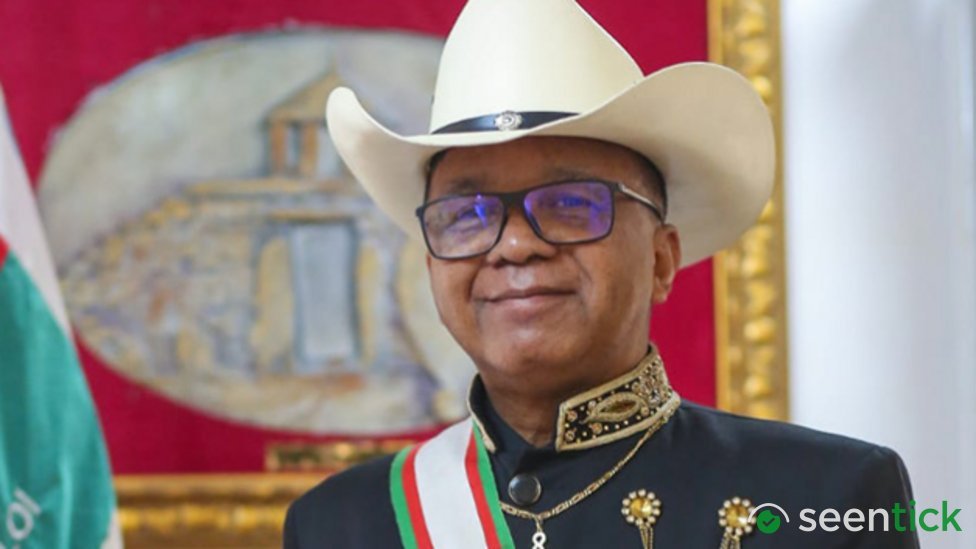
Madagascar Ex-Senate Chief Gets 10 Years Hard Labour
Key Highlights
- Richard Ravalomanana was sentenced to 10 years of hard labour for complicity in murder.
- The conviction stems from a violent crackdown on Gen Z protests in September and October 2025.
- UN figures report that at least 22 people were killed and over 100 were injured during the unrest.
- Ravalomanana's defence team plans to appeal the court judgement.
Former Senate President Richard Ravalomanana has been sentenced to 10 years in hard labor for his alleged role in the violent crackdown on youth-led protests that brought down the previous government last year.
Ravalomanana, a retired general and close ally of former President Andry Rajoelina, was found guilty of complicity in murder. Prosecutors accused him of instructing security forces to use violence against demonstrators during the Gen Z protests in September and October 2025.
“he directed violent actions suppress
“He directed violent actions to suppress the demonstrations,” a state prosecutor said in December 2025. Ravalomanana denied the allegations, stating he would appeal against the judgment.
Read More: South Korean Police Officer Admits to Improperly Closing Missing Person Case
The protests began a year ago, initially sparked At least 22 people were killed and more than 100 injured during the unrest, according to UN figures cited.
The crackdown was led The protests eventually triggered a political crisis that led to Rajoelina's removal from power and the installation of a new administration led
Ravalomanana was removed as Senate president in October, shortly after the protests, and was arrested at his home in December after failing to respond to a summons from the gendarmerie. He was later placed in pre-trial detention at the high-security Imerintsiatosika prison outside Antananarivo, where he has spent the past seven months.
Also Read: Afghanistan Returns: A Desperate Exodus of Refugees Crossing Regional Borders
A former national police chief who testified at the trial backed Ravalomanana's account, stating that he was not part of the operational chain of command and had issued no orders to police, gendarmes or soldiers deployed during the unrest. His lawyer questioned the evidence linking him directly to the violence.
“Is there confirmed written or verbal evidence... to accuse him?” his lawyer asked the court, arguing that prosecutors had failed to produce proof that security officers had received orders from his client. Ravalomanana's defence team said it would challenge the verdict in a higher court.
The court dropped a separate allegation of making a death threat after ruling that the case was too old to prosecute. Known for wearing a cowboy hat and displaying his military medals, Ravalomanana was viewed as a symbol of resistance against the current government, which has faced criticism over its handling of protests and human rights issues.
Frequently Asked Questions
What's Your Reaction?
 Like
Like
 Dislike
1
Dislike
1
 Love
Love
 Funny
Funny
 Wow
Wow
 Sad
Sad
 Angry
1
Angry
1

I write about the forces shaping business and the global economy, from startup growth and changing markets to international trade and policy. My work focuses on breaking down complex developments into clear, practical insights and understanding what they could mean for businesses, investors, and the wider economy.




Comments (0)