

More than 900 killed in Gaza this year despite ceasefire
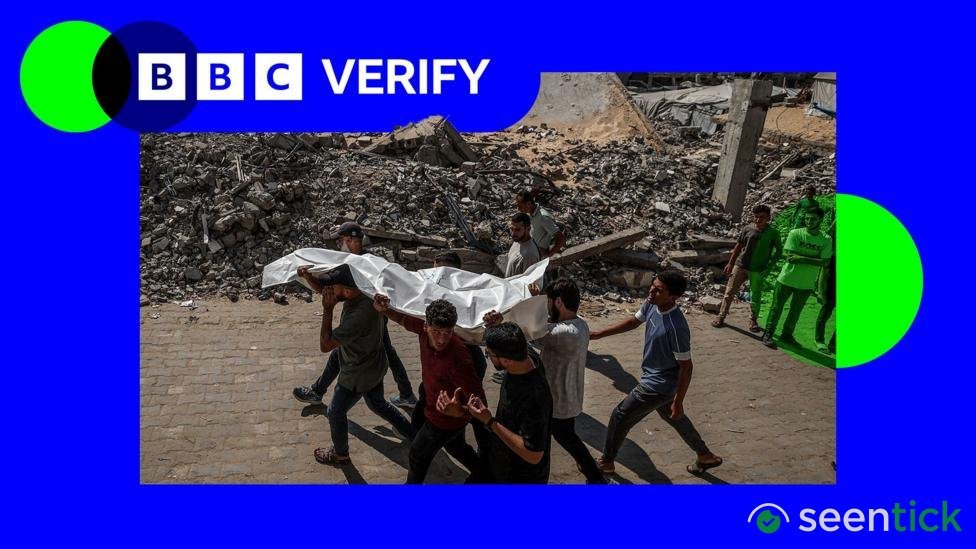
More than 900 killed in Gaza this year despite ceasefire
Key Highlights
- More than 900 people have been killed in Israeli attacks in Gaza this year despite the ceasefire, according to latest figures from the territory's Hamas-run Ministry of Health.
- It brings the total number of people killed in the Strip since the 10 October ceasefire was declared to more than 1,300, including 301 children, the ministry says.
- Hamas and Israel agreed to halt the war after accepting US President Donald Trump's 20-point peace plan.
More than 900 people have been killed in Israeli attacks in Gaza this year, despite the ceasefire, according to the latest figures from the territory's Hamas-run Ministry of Health. This brings the total number of people killed in the Strip since the 10 October ceasefire was declared to over 1,300, including 301 children, as
The ceasefire was agreed upon after US President Donald Trump's 20-point peace plan, which included a suspension of "all military operations, including aerial and artillery bombardment". However, since then, BBC Verify has analyzed dozens of videos that show the impact of Israeli strikes on locations such as a beachside cafe, tents where displaced people have been sheltering, and a reported funeral procession in central Gaza.
These incidents have resulted in significant loss of life, with recent months being some of the most deadly according to the figures.
According health ministry, deaths directly
According to the health ministry, the deaths are directly attributed to Israeli military action, but it does not distinguish between civilians and combatants. The UN considers these figures reliable, and experts have told BBC Verify that their independent analysis is consistent with the ministry's data.
However, the Israel Defense Forces (IDF) disputes the ministry's figures, stating that there is "no basis to assume" that all those listed were killed as a result of IDF activity.
The IDF claims to operate in a precise manner to remove threats and protect its troops and Israeli civilians, in accordance with the agreement. It also states that it works to mitigate any civilian harm "to the greatest extent possible".
However, recent reports suggest that an Israeli security official acknowledged more than 70,000 people had been killed in the Gaza war, which included more than 20,000 combatants. The health ministry recorded 251 deaths between the start of the ceasefire agreement on 10 October and the end of that month, with a significant increase in deaths every month since then.
The highest monthly death toll this year was recorded in July, when 152 people were killed, including 21 children. This is according to the figures from the health ministry, which also reported that five of its soldiers have been killed in combat since the ceasefire and one contractor was killed in an "operational accident".
Read More: Woman Killed in Times Square Stabbing; Suspect Shot Dead by NYPD Officers
The conflict monitoring group Armed Conflict Location and Event Data (Acled) has recorded around 200 Israeli strikes during the ceasefire that have reportedly killed Hamas operatives or other armed "militants" in targeted strikes.
One such incident was reported on August 18, where six people were killed at a beachside cafe in Gaza City. The next day, nine people, including a 13-year-old, were reportedly killed in a strike on a police headquarters in the al-Tuffah neighbourhood.
These incidents are part of a pattern of Israeli strikes that have resulted in significant loss of life and displacement among civilians.
The IDF's actions during this time have been widely criticized The UN has called for an independent investigation into the alleged war crimes committed during the conflict, which has raised concerns about accountability and the rule of law in Israel and Palestine.
Despite the ceasefire agreement, tensions remain high between Israel and Hamas, with both sides accusing each other of violating the terms of the agreement. The international community is calling for a peaceful resolution to the conflict, but it remains to be seen whether the ceasefire will hold or if further violence will erupt in the coming days.
The situation on the ground is dire, with many civilians living in fear of their lives and struggling to access basic necessities like food, water, and medical care. The humanitarian crisis in Gaza has been exacerbated
As the international community continues to watch and wait, it is clear that the situation in Gaza remains volatile and unpredictable. The ceasefire agreement may be holding for now, but there are concerns that it could collapse at any moment, leading to further violence and instability in the region.
The impact of the conflict on civilians has been devastating, with many families left without loved ones or homes. The psychological toll on those affected
As we move forward, it is essential that we prioritize the protection of civilians and work towards a peaceful resolution to the conflict. This will require a concerted effort from all parties involved, including Israel, Hamas, and the international community.
Also Read: The final minutes before floodwater crashed
The situation in Gaza is a complex and multifaceted issue, with deep historical, cultural, and political roots. However, at its core, it is a humanitarian crisis that requires immediate attention and action. We must work together to find a solution that prioritizes the safety and well-being of civilians on both sides.
The international community has a critical role to play in supporting those affected This includes providing humanitarian aid, facilitating dialogue between parties, and advocating for accountability and justice.
Ultimately, the future of Gaza and its people hangs in the balance. We must work tirelessly to ensure that their rights are respected, their dignity is upheld, and their voices are heard. Only through collective action and a commitment to peace can we hope to create a brighter future for this beleaguered community.
The conflict in Gaza has been ongoing for decades, with periods of relative calm punctuated However, the current situation is unique in its intensity and severity, with thousands of people killed or injured and millions more displaced.
As we move forward, it is essential that we prioritize the protection of civilians and work towards a peaceful resolution to the conflict. This will require a concerted effort from all parties involved, including Israel, Hamas, and the international community.
The situation in Gaza is a complex and multifaceted issue, with deep historical, cultural, and political roots. However, at its core, it is a humanitarian crisis that requires immediate attention and action.
What's Your Reaction?
 Like
Like
 Dislike
 Love
Love
 Funny
Funny
 Wow
Wow
 Sad
2
Sad
2
 Angry
1
Angry
1

I write about the forces shaping business and the global economy, from startup growth and changing markets to international trade and policy. My work focuses on breaking down complex developments into clear, practical insights and understanding what they could mean for businesses, investors, and the wider economy.









Comments (0)