

Breast Cancer Survivors May No Longer Need Heart Medication
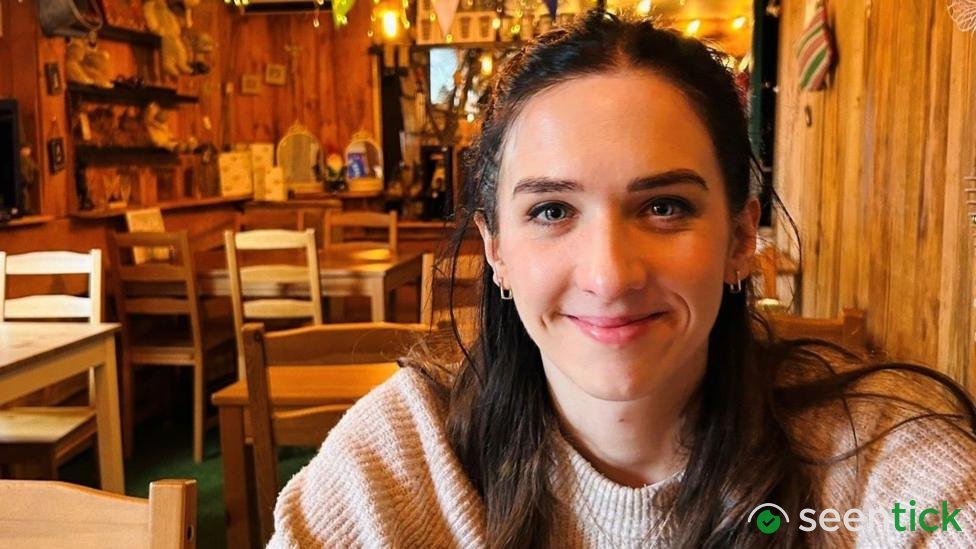
Breast Cancer Survivors May No Longer Need Heart Medication
Key Highlights
- A breast cancer survivor says she no longer lives "with the same fear" after a clinical trial enabled her to stop the heart medication she needed following cancer treatment.
- Lucy Shepherd, from Hertfordshire, was diagnosed with triple positive breast cancer shortly after her 33rd birthday, but a routine scan revealed that her heart function had declined during care.
- A new study, described as "hugely encouraging" for patients, has found the majority of breast cancer survivors whose treatment caused heart problems may not need to be on precautionary medication for life.
Lucy Shepherd's life has taken a dramatic turn since participating in a clinical trial that allowed her to stop taking heart medication after cancer treatment.
Diagnosed with triple positive breast cancer at 33, Shepherd's heart function had declined during care, leaving her with a lingering fear for her health.
Study published heart journal has
A new study published in the Heart Journal has provided hope for breast cancer survivors whose treatment caused heart problems, suggesting that many may no longer need to take precautionary medication for life.
Researchers found that 98% of patients who stopped taking medication had no change in heart function after one year, with just one woman developing a problem with her heart's pumping ability.
Read More: Long waits for dementia diagnosis taking toll on families
Shepherd, now 39, credits the trial with improving her quality of life, saying it has helped her "trust my body again" and feel strong and capable of tackling new challenges.
"Living beyond my cancer treatment was difficult because no one could tell me whether I should stop or continue taking my heart medication," Shepherd said. "I had to live with the mental burden of remembering to take them and worrying about what would happen if I missed a dose."
However, after participating in the trial, Shepherd is now able to say that she no longer lives "with the same fear".
"As I got fitter after my cancer treatment ended, doctors gradually reduced my heart medication dosages, but I was still experiencing side effects like a low heart rate and fatigue," Shepherd explained. "But since stopping the medication, I've noticed a significant improvement in my overall well-being."
The trial was led
Also Read: Rising numbers of children in mental health crisis ending up
"Modern breast cancer treatment is a remarkable success story," Manisty said. "But the damaging effects of these drugs on the heart leaves survivors and their doctors with difficult questions about ongoing treatment to maintain their heart health."
Manisty hopes that the study's findings will provide encouragement for survivors and their doctors, giving hope for a future free from treatment.
The researchers plan to continue monitoring the women in the trial over the next five years to ensure their heart health remains stable.
"We're excited about these findings and believe they can start important conversations between survivors and their doctors about whether they need to continue treatment long-term," Manisty said.
What's Your Reaction?
 Like
Like
 Dislike
 Love
Love
 Funny
Funny
 Wow
1
Wow
1
 Sad
Sad
 Angry
2
Angry
2

Movies, series, and everything happening around Indian entertainment keep me busy. I cover OTT releases, box-office conversations, celebrity news, and the changing world of streaming, with a particular interest in the stories and trends that audiences are talking about right now.





Comments (0)