

Afghanistan Returns: A Desperate Exodus of Refugees Crossing Regional Borders
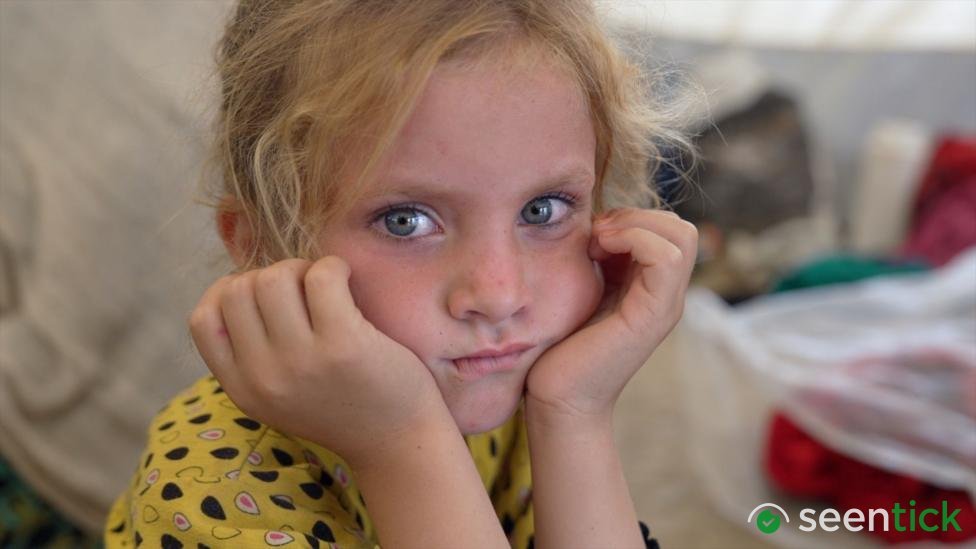
Afghanistan Returns: A Desperate Exodus of Refugees Crossing Regional Borders
Key Highlights
- Over half a million Afghan families have crossed border checkpoints following regional expulsion deadlines.
- UNHCR and humanitarian agencies warned of acute shortages of winterized shelters, clean water, and medical care.
- Returning families arrive in communities already grappling with severe drought, economic stagnation, and food insecurity.
A staggering humanitarian crisis is unfolding along the rugged border corridors of Central Asia as hundreds of thousands of displaced Afghan nationals are forcibly repatriated to Afghanistan. Following strict deportation directives enacted by neighboring authorities, long convoys of buses and overloaded trucks have arrived at the Torkham and Spin Boldak border crossings, carrying families who lived abroad for decades.
Read More: Woman Killed in Times Square Stabbing; Suspect Shot Dead by NYPD Officers
International relief organizations, including the United Nations High Commissioner for Refugees (UNHCR) and the World Food Programme (WFP), are scrambling to establish emergency transit shelters before freezing winter temperatures set in.
Acute Resource Scarcity in Resettlement Zones
Arriving families face catastrophic economic conditions inside Afghanistan, where multi-year droughts and international banking restrictions have severely crippled local employment. Most returnees possess only basic household belongings, having been forced to liquidate businesses and properties at severe losses prior to departure.
Humanitarian aid workers report that women and young children constitute the overwhelming majority of displaced populations at transit camps, where temporary medical clinics are overwhelmed by respiratory infections and malnutrition cases.
Urgent Global Appeals for Humanitarian Funding
The United Nations has issued an urgent multi-hundred-million-dollar funding appeal to the international donor community to provide winterized tents, emergency cash grants, and mobile healthcare infrastructure. Aid leaders emphasized that neglecting the escalating refugee crisis risks triggering severe regional instability.
What's Your Reaction?
 Like
Like
 Dislike
 Love
Love
 Funny
Funny
 Wow
2
Wow
2
 Sad
Sad
 Angry
1
Angry
1

I write about the forces shaping business and the global economy, from startup growth and changing markets to international trade and policy. My work focuses on breaking down complex developments into clear, practical insights and understanding what they could mean for businesses, investors, and the wider economy.









Comments (0)