

Smartphone Shipments Plummet 20% Amid AI-Driven Memory Shortages
Key Highlights
- Global smartphone shipments fell 20% year-over-year in Q3 2026, marking the lowest total since 2012.
- Counterpoint Research credited memory shortages in DRAM and NAND, driven by AI demand, for rising hardware costs.
- Samsung maintained the top market spot and grew market share by 23% despite cutting upcoming production plans.
Global smartphone shipments dropped 20% year-over-year in the third quarter of 2026. Market analysis firm Counterpoint Research reported that shipments sank to their lowest level since 2012.
Rising component costs and shifting buyer habits drove the historic fall. A severe shortage of DRAM and NAND memory chips, fueled by demand from artificial intelligence firms, sharply pushed up manufacturing costs.
"The extreme memory shortage is pushing the smartphone market into a more selective phase," said Counterpoint senior analyst Shilpi Jain.
Shoppers face rising prices for everyday consumer tech. Many buyers are keeping older devices instead of upgrading to models priced above $1,000.
Read More: Meta Launches Edits Assistant for Instagram, A Tool to Help Users Analyze and Improve Their Content
"Consumers are holding on to their devices longer than estimated, increasingly considering refurbished devices and prioritizing higher-value devices," Jain added.
Device makers are responding by changing their sales goals. Brands now focus on "profitability over shipment volumes amid elevated component costs and weaker affordability."

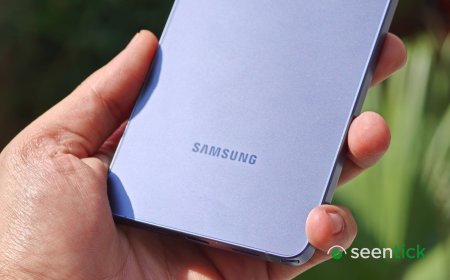
Samsung kept its position as the top global vendor despite the difficult market. The company recorded a 3% annual decline in shipments during the quarter.
However, Samsung saw its market share climb by 23%. Counterpoint called this "the largest share gain among major OEMs."
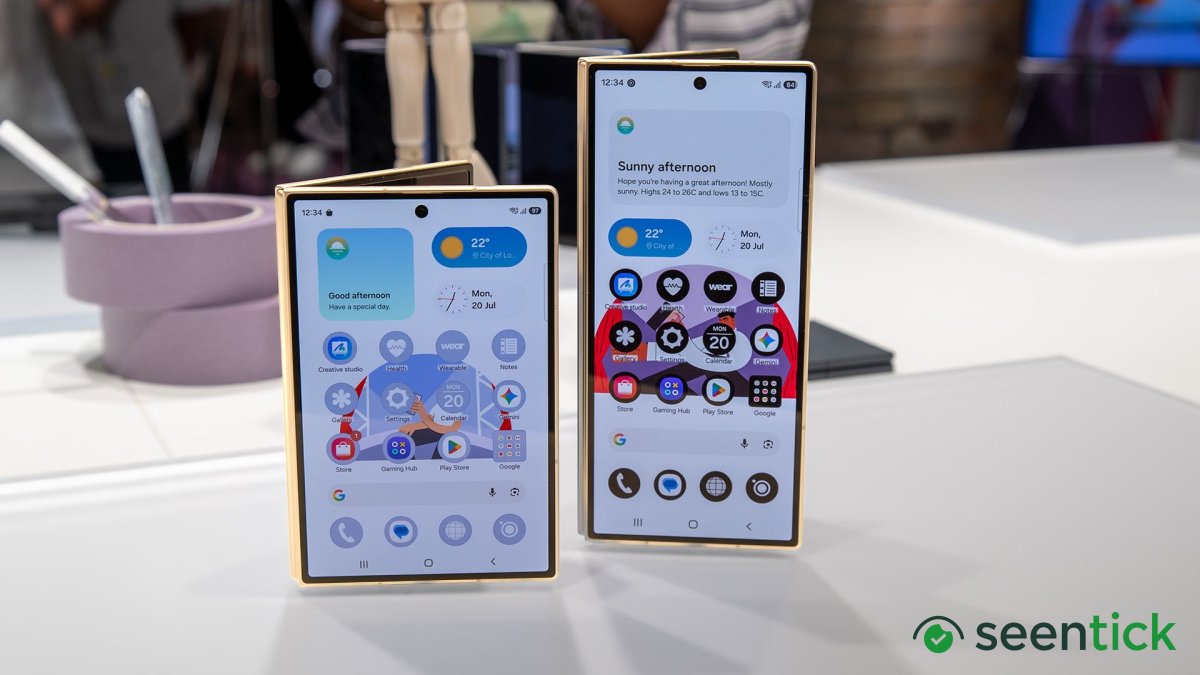
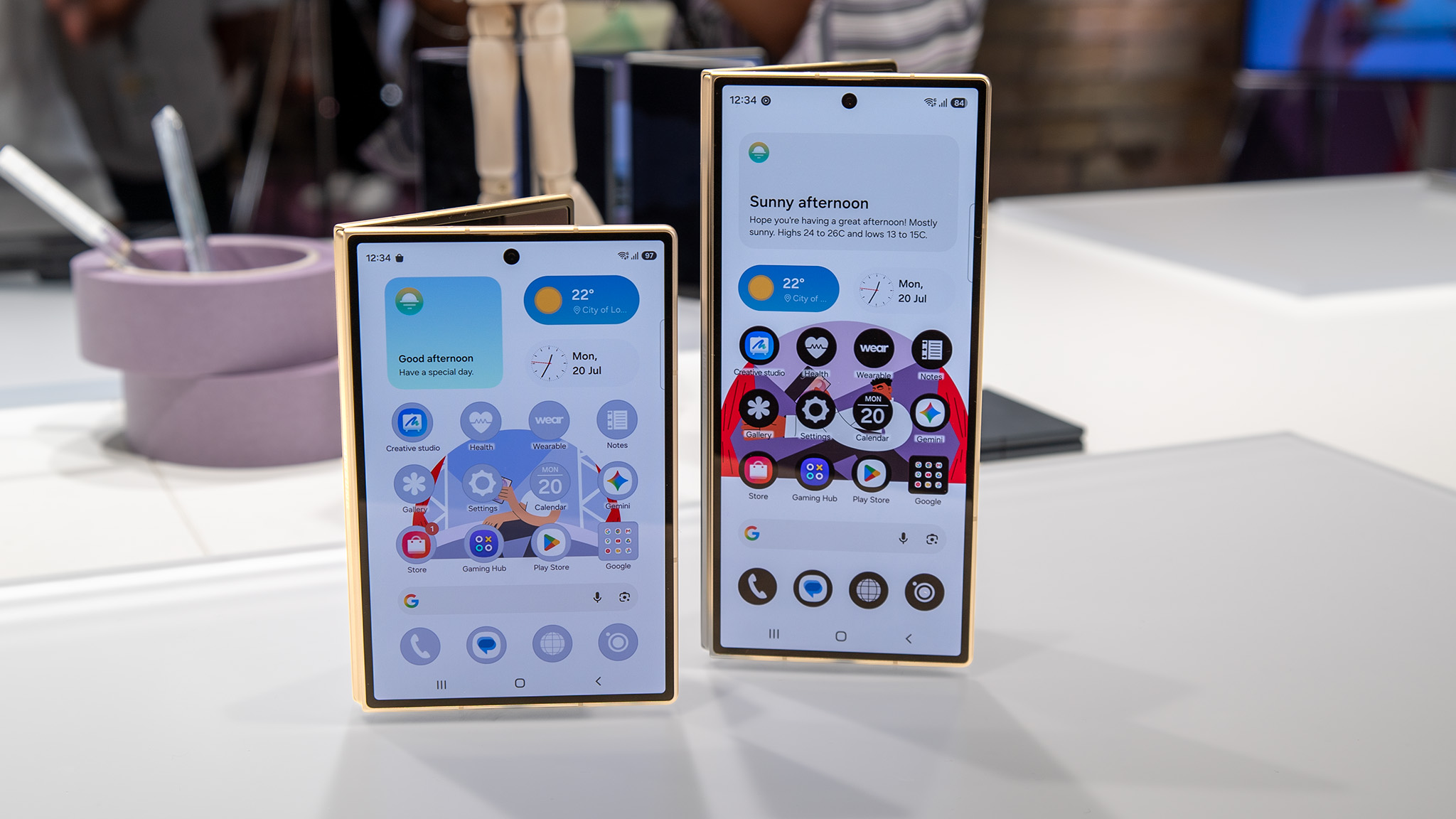
Strong demand for the Galaxy Z Fold 8, the Fold 8 Ultra, and the budget Galaxy A series supported Samsung's performance. Even so, the Korean phone maker has reportedly asked suppliers to cut fourth-quarter production by 20% to 30%.
Apple followed closely in second place. Apple restricted its iPhone 18 lineup by omitting a standard base model, releasing only an 18 Pro and an 18 Pro Max. Analysts noted this narrowed lineup contributed to Apple's shipment decline.
Also Read: UGREEN Lowers HomeAgent NAS Prices Ahead of Kickstarter Launch
Chinese brands Xiaomi, OPPO, and Vivo rounded out the top five vendors. Each recorded substantial shipment losses during the period.
The latest drop follows earlier signs of market stress. In July, research group Omdia revealed that global shipments slipped 4% year-over-year during the second quarter.
While Omdia tracked small gains of 2% for Samsung and 4% for Apple in Q2, it cautioned that memory shortages would bring severe disruption.
Market analysts see little hope for a quick rebound as the year closes. Counterpoint stated that conditions will not recover "until component costs and supply conditions improve."
What's Your Reaction?
 Like
Like
 Dislike
 Love
Love
 Funny
Funny
 Wow
4
Wow
4
 Sad
Sad
 Angry
Angry

Tech journalist and AI enthusiast who enjoys keeping up with the latest in hardware, processors, emerging AI tools, and software. I like digging into new technology, understanding how things actually work, and following the developments that could shape the way we use technology in the future.








Comments (0)