

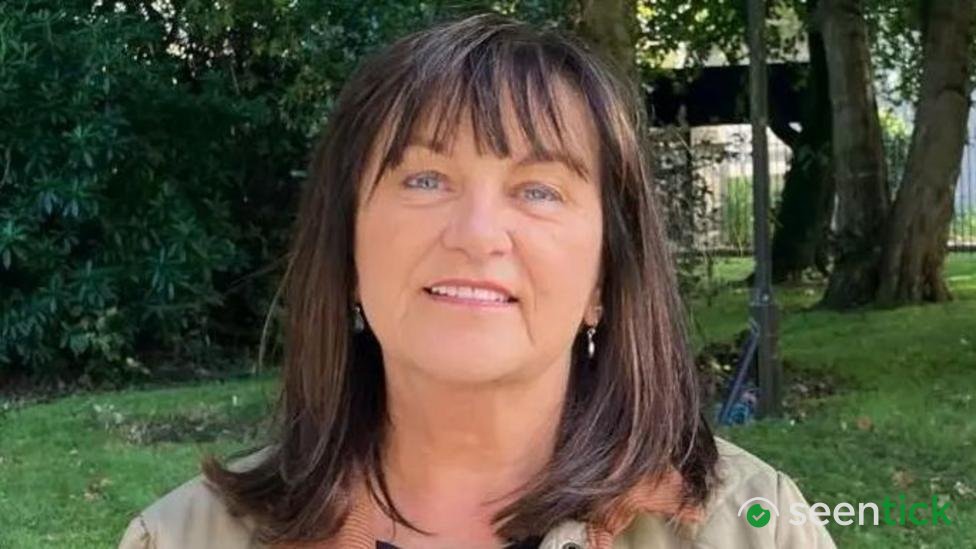
Sandra McCartney Survives 10-Minute Cardiac Arrest After Discovering Familial Hypercholesterolaemia
Key Highlights
- Sandra McCartney survives 10-minute cardiac arrest after discovering FH.
- Northern Ireland has highest rate of FH identification in UK.
- Belfast Trust invests £2.5m in improving facilities.
Familial Hypercholesterolaemia: Northern Ireland Leads the Way in Identification and Treatment.
According to the Belfast Trust, Northern Ireland has the highest rate of familial hypercholesterolaemia (FH) identification in the UK, with over a quarter of a million people estimated to carry the condition. However, more than two-thirds of those with FH remain undiagnosed.
Sandra McCartney, a 59-year-old mother-of-four from Londonderry, was clinically dead for 10 minutes after suffering a cardiac arrest in Spain in 2019. Her life was saved when medics successfully restored a normal heart rhythm during a frantic 10-minute window. Administered six defibrillator shocks, and five shots of adrenaline.
Read More: NHS Rapid Brain Tumour Diagnosis Test Reduces Diagnosis Time from Weeks to Hours

McCartney's cardiac arrest was triggered by a life-threatening genetic condition called FH. The Belfast Trust's screening service has been instrumental in detecting the condition, allowing for timely intervention and treatment. The trust has invested £2.5m in improving facilities, including the Altnagelvin ED, to enhance patient care and outcomes.
Familial hypercholesterolaemia is a common genetic condition affecting approximately 1 in every 250-500 people in the population. If one parent has FH, there is a 50% chance their child could inherit the condition. If left untreated, FH can be extremely dangerous, increasing the risk of heart attacks and strokes due to very high cholesterol levels.
McCartney's experience has left a lasting impact on her, with her describing the aftermath of her cardiac arrest as "terrifying." She suffered three cracked ribs during CPR and was clinically dead for 10 minutes before being revived. Her ordeal has raised awareness about the importance of early detection and treatment of FH.
The Belfast Trust's screening service is working tirelessly to detect as many carriers of the genes as possible. The trust's commitment to improving facilities, including the £2.5m investment in Altnagelvin ED, is vital in enhancing patient care and outcomes.
Also Read: Cheap Bleph Surgery: UK Women Warn of 'Conveyor Belt' Clinics and 'Traumatised' Patients
As the condition continues to affect a significant proportion of the population, it is essential that early detection and treatment become a priority.
The trust's efforts have already led to a significant increase in FH identification. With the condition being detected in over 70% of cases. However, more work needs to be done to ensure that all individuals with FH receive the necessary treatment and support.
The Belfast Trust's dedication to improving patient care and outcomes is a shows the organization's commitment to addressing this critical public health issue.
What's Your Reaction?
 Like
1
Like
1
 Dislike
 Love
Love
 Funny
Funny
 Wow
1
Wow
1
 Sad
1
Sad
1
 Angry
3
Angry
3

Movies, series, and everything happening around Indian entertainment keep me busy. I cover OTT releases, box-office conversations, celebrity news, and the changing world of streaming, with a particular interest in the stories and trends that audiences are talking about right now.









Comments (0)