

Smuggling Gangs Adopt Mega Dinghies After Channel Crackdown
Smuggling Gangs Adopt Mega Dinghies After Channel Crackdown
Key Highlights
- Smuggling gangs are adopting larger mega-dinghies and collaborating with rival groups due to small boat shortages.
- Crossings have become more expensive, with gangs charging up to €2,000 (£1,700) per person payable strictly in cash.
- French police report intercepting two-thirds of small boats before they can reach the open coast.
- Between January and September 2026, a total of 16,513 people crossed the English Channel in small boats.
A disturbing trend is unfolding along the French coast as migrant groups take to inflatable dinghies, sparking a desperate bid for a better life in the UK.
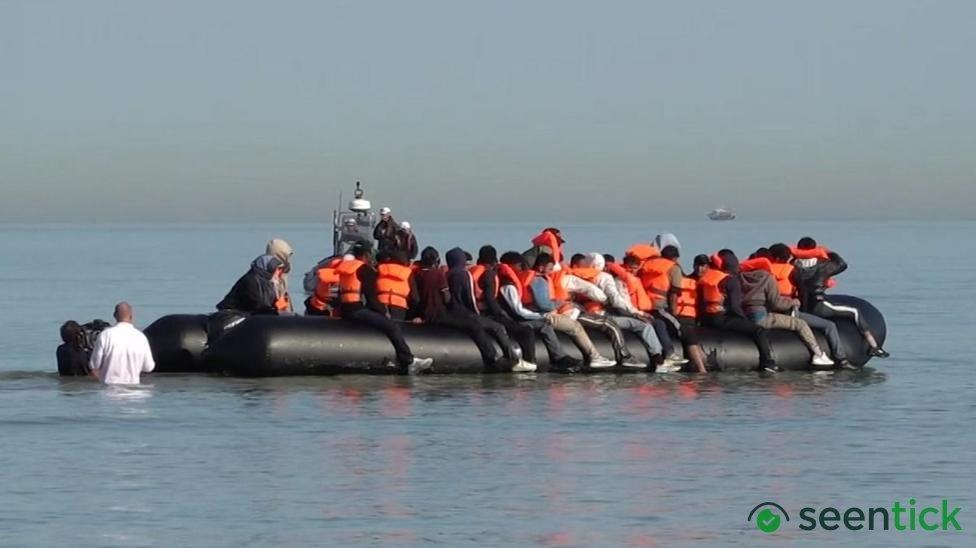
The BBC has witnessed firsthand the increasing desperation of migrants, who are now being forced to adopt new tactics due to a shortage of small boats. The image of a 15-metre long boat carrying a record 230 migrants towards the UK drew widespread condemnation from newspapers and politicians alike.
Ministers have been accused "losing
Ministers have been accused of "losing control" of illegal Channel crossings, with French police again facing criticism for not intervening. However, evocative as the picture was, it also represented a new strategy employed
Read More: Not Just Guilty or Not: Understanding the Nuances of Modern Jury Justice
"We are running low on small boats," gang members have revealed to our sources. "And once rival criminal groups are now having to work together due to the increased risk to more lives." The UK and France are announcing measures to increase police officers on the French coast in an attempt to stop migrants.
French officers claim they are now intercepting two-thirds of small boats before they can reach the coast, meaning fewer crossing opportunities for those hoping to make the journey. The price has also increased, with gangs quoting up to €2,000 (£1,700) per person - a significant rise from just last year.
During an early low tide on Gravelines beach, we observed a small boat launch, but it was not what we expected. A dozen or so migrants emerged from the sand dunes, their orange life jackets making them easy to identify. The group waded into the calm shallows of the Channel, their "taxi boat" coming into view.
The reason for the group's lack of urgency was because the boat was already in the water. French police argue they are prevented from intervening at this point over fears of people drowning. This is a long-standing frustration for British authorities, who would like their neighbours to adopt a more "case-
Also Read: Nigeria's Anti-Corruption Agency Discovers Over 40 Corrupt
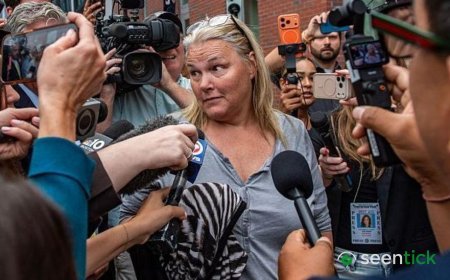
"You feel guilty being there - going to the beach and having a good time, while these families are in such terrible situations," observes a woman with her young daughter, who has witnessed people attempting to cross the Channel on multiple occasions.
The migrants remaining will wait for their next opportunity, but because of more robust policing, that wait is now typically weeks, even months, rather than days. They also need a favourable weather window: the wind needs to be under 5 knots and waves need to be less than 0.8m for a small boat to have a chance of making it across.
The number of people detected entering the UK illegally via small boats has more than doubled since 2021, with over 16,500 crossings recorded between January and September last year. The government has pledged to "smash the gangs" behind these crossings in order to reduce the numbers.
Frequently Asked Questions
What's Your Reaction?
 Like
Like
 Dislike
 Love
Love
 Funny
Funny
 Wow
Wow
 Sad
Sad
 Angry
2
Angry
2

I write about the forces shaping business and the global economy, from startup growth and changing markets to international trade and policy. My work focuses on breaking down complex developments into clear, practical insights and understanding what they could mean for businesses, investors, and the wider economy.










Comments (0)