

Chasing a perfect sleep score? You could be making it worse
Chasing a perfect sleep score? You could be making it worse
Key Highlights
- Sleep scores, magnesium, white noise machines - what was once the simple act of sleeping has become a minefield.
- Trying to optimise sleep in this way is called "sleepmaxxing".
- Take it too far, and you could end up with "orthosomnia" - the clinical term for an obsession with achieving perfect sleep.
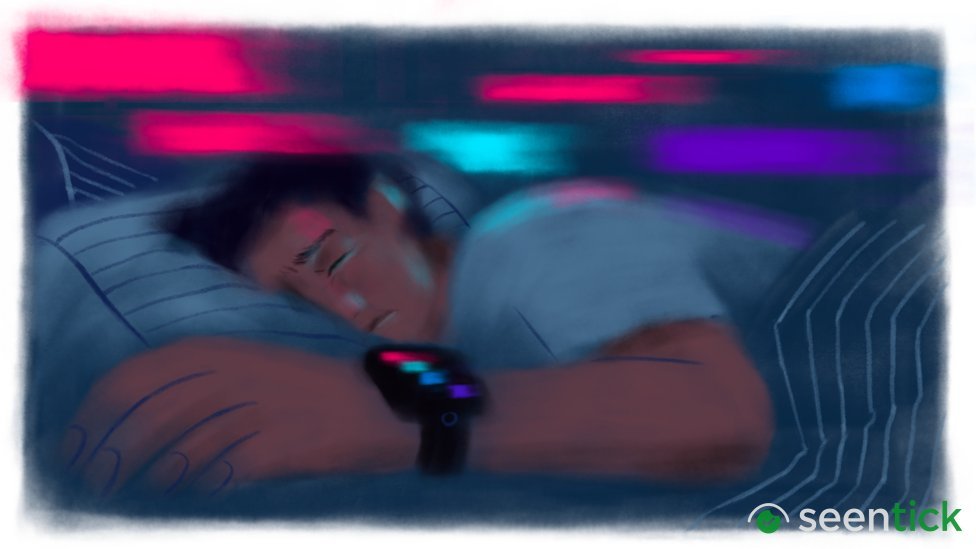
The quest for perfect sleep has become a complex and often misguided pursuit, with the rise of sleep-tracking technology at its core.
In 2009, the first commercial fitness tracker to incorporate sleep analysis hit the market with the Fitbit Classic. Since then, numerous other brands have followed suit, including Garmin, Whoop, and Apple, as well as smart rings like Oura, Ultrahuman, and RingConn. These devices provide users with a breakdown of their night's sleep, often accompanied
However, Dr Alanna Hare, consultant of sleep medicine at the Royal Brompton Hospital in London, warns that these scores are "completely made up." There is no recognized metric in sleep science that justifies the concept of a "sleep score," which has been created Instead, Hare notes that trackers have caused anxiety among her patients, who often come to her with data from various devices, filled with questions about sleep that may actually exacerbate their sleep difficulties.
Read More: New Super Flu Vaccine Rollout Begins as NHS Regroups for Winter Health Surge
One proposed lawsuit against Oura, filed last month in San Francisco, alleges that the company's rings are unable to accurately measure sleep quality and stages, relying instead on AI-generated estimates that have a "coin flip's chance of being correct." In response, Oura maintains its commitment to science, research, and accuracy, emphasizing the importance of clear communication about what their devices can and cannot do.
Research has shown that sleep trackers can not only affect how we function during the day but also influence our mood, fatigue levels, and alertness. A study found that participants who were told they had slept poorly reported feeling more fatigued and less mentally alert, even though their actual sleep scores were all fake.
Jess Hill, a 32-year-old HR professional from London, shares her own experience with the pitfalls of sleep tracking. She became "obsessed" with getting high sleep scores for about three years, only to notice that her Garmin watch wasn't reflecting how she actually slept. "I was awake for four hours in the night, and my watch said 'great sleep,'" Hill recounts.
Also Read: Women pose as men to buy testosterone online
Dr Neil Stanley, a sleep expert and author of the book How to Sleep Well, argues that gamifying sleep is creating more disordered sleeping patterns. The constant pursuit of perfection can lead to anxiety and a cycle of worrying about one's quality of sleep or quantity of sleep based on figures.
"If you want to measure sleep, you have to measure the brain," Stanley says. "Unless you're measuring the brain's activities, you're not measuring sleep."
So what is the elusive secret to a good night's sleep? Experts recommend keeping things simple: a cool, dark, and quiet bedroom, exposure to bright light in the morning, regular exercise, and a healthy diet. Anything more than that is unnecessary.
What's Your Reaction?
 Like
Like
 Dislike
 Love
Love
 Funny
Funny
 Wow
2
Wow
2
 Sad
Sad
 Angry
Angry

Movies, series, and everything happening around Indian entertainment keep me busy. I cover OTT releases, box-office conversations, celebrity news, and the changing world of streaming, with a particular interest in the stories and trends that audiences are talking about right now.










Comments (0)