

Guinea-Bissau Approves New Constitution Expanding President
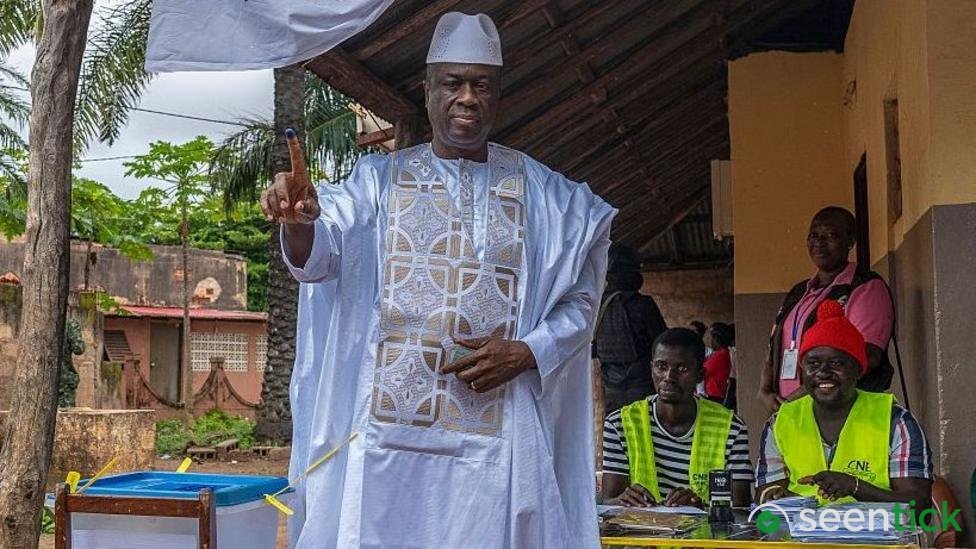
Guinea-Bissau Approves New Constitution Expanding President
Key Highlights
- Voters in Guinea-Bissau approved a new constitution that significantly expands presidential powers.
- The reforms allow the president to appoint and dismiss the prime minister, alter cabinets, and dissolve parliament.
- The main opposition party boycotted the vote, arguing it threatens the transition back to democracy.
- Presidential and parliamentary elections are scheduled for December to return the nation to civilian rule.
Voters in Guinea-Bissau have given their backing to a new constitution that significantly expands presidential powers, paving the way for general elections later this year.
The referendum, which was organised Despite the turnout, the main opposition party boycotted the vote, citing concerns that the process lacked adequate political and institutional safeguards and threatened the country's transition back to democracy.
Read More: The final minutes before floodwater crashed
Guinea-bissau has experienced least nine
Guinea-Bissau has experienced at least nine attempted and successful coups since gaining independence from Portugal in 1974, earning it a reputation as one of the most turbulent countries in Africa. The UN has dubbed the country a "narco-state" due to its coastline's strategic location for drug traffickers.
The new constitution strengthens the presidency at the expense of the prime minister, altering the balance of power under Guinea-Bissau's semi-presidential system. This change gives the president greater authority over the government and allows them to appoint and dismiss the prime minister and cabinet, create or abolish ministries, and dissolve parliament in the event of a grave political crisis.
The military authorities have argued that these changes are necessary to end repeated disputes between presidents and prime ministers. However, critics say that the reforms risk concentrating too much power in the presidency and undermine democracy and political freedoms.
PAIGC leader Domingos Simões Pereira accused those behind the referendum of seeking to undermine democracy and political freedoms. Some activists claimed that the referendum was a mere formality, with 90% of registered voters not taking part.
Also Read: Flock's AI Surveillance Network Sparks Growing Backlash Across the United States
The changes come ahead of presidential and parliamentary elections scheduled for December, which the military authorities say are intended to return the country to civilian rule. The outcome of these elections will be crucial in determining whether the military authorities follow through on their pledge to restore civilian rule and reshape Guinea-Bissau's fragile political system.
December's elections will now be an important test of whether the military authorities can deliver on their promise of restoring democratic governance in Guinea-Bissau. The country's history of coups and instability makes this a critical moment for its future.
Frequently Asked Questions
What's Your Reaction?
 Like
1
Like
1
 Dislike
 Love
Love
 Funny
Funny
 Wow
Wow
 Sad
Sad
 Angry
1
Angry
1

I write about the forces shaping business and the global economy, from startup growth and changing markets to international trade and policy. My work focuses on breaking down complex developments into clear, practical insights and understanding what they could mean for businesses, investors, and the wider economy.








Comments (0)