

Global Weather Chaos: UN Warns Of Supersized El Nino
Global Weather Chaos: UN Warns Of Supersized El Nino
Key Highlights
- The UN and World Meteorological Organization warn that a supersized El Nino could become the strongest in 70 years and last until February 2027.
- Pacific Ocean surface temperatures have risen significantly, with forecasts predicting monthly readings up to 4C above average.
- Global agricultural, shipping, and ecological systems face severe disruptions, including Panama Canal transit limits and Indonesian wildfires.
- Countries worldwide are strengthening early warning systems and deploying emergency medical and environmental relief to protect vulnerable populations.
The world has officially entered a dangerous new phase of severe weather as the global impacts of El Niño begin to unfold across multiple continents, according to urgent warnings issued The World Meteorological Organization (WMO) has released comprehensive new data showing that this natural weather pattern could develop into the strongest event seen in more than seventy years, with conditions expected to persist until at least February 2027.
This major climate shift alters standard weather systems across the globe, forcing certain geographic regions into severe dry spells while subjecting other areas to heavier typhoons and widespread flooding. Forecasters note that this natural cycle will also drive surface temperatures even higher, compounding the ongoing risks of rising global heat caused
Secretary-general antónio guterres delivered stark
UN Secretary-General António Guterres delivered a stark warning about the unfolding reality, stating, “El Niño is being supersized before our eyes. The science leaves no room for doubt: the planet is in uncharted waters, and those waters are heating up.” In response to these escalating risks, governments and scientific bodies have initiated broad discussions regarding protective measures to lower the dangers of loss of life, human displacement, and severe ecological damage.
International agencies have worked to strengthen early warning networks and prepare pre-emptive medical aid, though the sheer intensity of the current cycle presents serious hazards for vulnerable populations. The WMO launched a major outreach campaign to distribute forecasts regarding potential extreme weather events to as many local communities as possible before conditions deteriorate further.
WMO Secretary-General Celeste Saulo highlighted the scale of the threat, stating, “El Niño has the potential to deliver a massive blow to communities and economies across the world.” As a natural phenomenon originating in the Pacific Ocean through shifting wind patterns, El Niño allows warm water to spread eastward while releasing large amounts of heat directly into the atmosphere.
Read More: Zambia's President Hakainde Hichilema Sworn in for Second Term Following Landslide Victory
Recent months have recorded a sharp rise in sea temperatures across the central and eastern tropical Pacific, confirming the rapid strengthening of the system. Within the primary Pacific monitoring zone, surface readings have stayed well above two degrees Celsius over average in recent weeks, placing the event firmly on a path to surpass standard high thresholds.
Forecasts indicate that monthly sea surface temperatures could peak close to four degrees Celsius above normal averages. Such a reading would position this event as the most powerful El Niño recorded since at least 1950, with subsurface temperatures in the Pacific running even higher at more than eight degrees Celsius above average in specific locations.
Elevated sea temperatures are likewise projected for the Indian Ocean, the tropical Atlantic, and coastal zones surrounding Australia. Given its unique marine biodiversity, Australia remains particularly alert to shifting ocean heat dynamics that threaten local ecosystems and coastal industries.
Dr Alistair Hobday, a chief researcher at Australia’s national science agency, explained that while El Niño is entirely natural, it generates the extreme heat that frequently triggers devastating environmental crises. Current marine heatwave forecasts suggest the Great Barrier Reef may avoid the worst of the impending damage, giving coral populations vital time to recover from past stress.
However, Dr Hobday cautioned that “Southern Australia is getting slammed,” recalling previous marine heatwaves that led to starving penguins, massive fish kills, suffocating algae blooms, and sudden jellyfish invasions. Australia has responded
Beyond coastal impacts, significantly drier conditions are projected for large parts of South East Asia, Central America, and northern South America, driving up the danger of prolonged droughts and wildfires. Shipping operations face immediate restrictions as authorities adjust vessel counts passing through the Panama Canal, an artificial waterway that handles roughly 14,000 ships annually and generates approximately $3 billion in annual income for Panama.
Also Read: France Imposes Progressive Environmental Fees on Ultra-Fast Fashion Brands Like Shein and Temu
In South East Asia, Indonesia has been fighting to control active wildfires that have already consumed more than 107,000 hectares of land during an unusually extended dry season. Local resident Darwin Romy, speaking from Central Kalimantan, described the worsening local conditions after experiencing blazes for over a month.
“The smoke has become quite thick. When we step outside, our eyes start to sting. The smell of the smoke is also quite strong,” Darwin Romy noted.
Indonesian authorities are actively deploying cloud-seeding aircraft to trigger artificial rainfall while promising extensive firefighting resources and arresting individuals accused of using fire for land clearance.
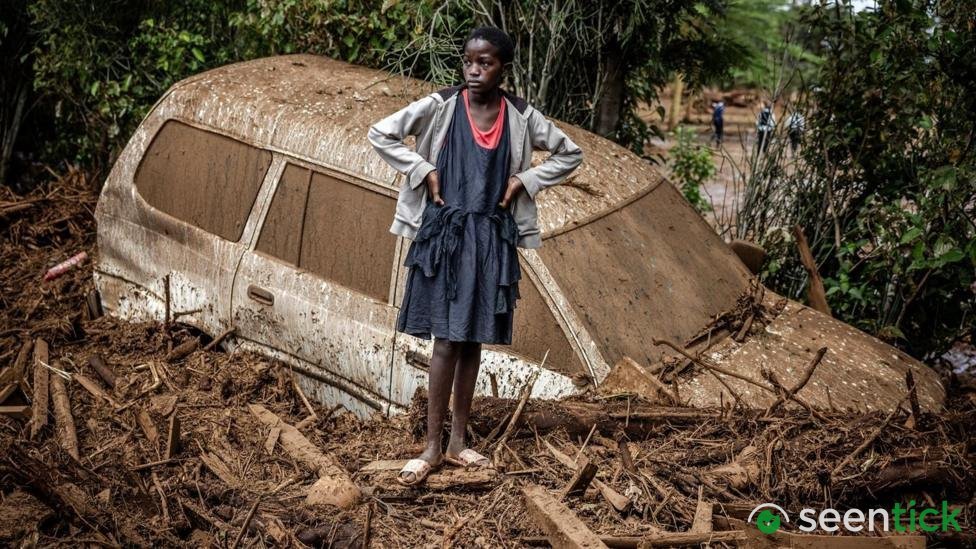
Other regions face contrasting threats, with China anticipating multiple typhoons linked to the broader influence of the super El Niño cycle. Major storm events in recent months have forced the evacuation of over a million residents, while southern Brazil, parts of eastern Africa, and the southern United States brace for heightened risks of heavy rainfall and destructive flooding.
Frequently Asked Questions
What's Your Reaction?
 Like
Like
 Dislike
 Love
Love
 Funny
Funny
 Wow
Wow
 Sad
Sad
 Angry
2
Angry
2

I write about the forces shaping business and the global economy, from startup growth and changing markets to international trade and policy. My work focuses on breaking down complex developments into clear, practical insights and understanding what they could mean for businesses, investors, and the wider economy.











Comments (0)