


Ubisoft's Assassin's Creed Brotherhood: The DNA of Open-World Games
Key Highlights
- The viewpoint concept was removed from the Borgia towers, allowing Ezio to renovate and reopen small businesses.
- The brotherhood system reinforced the sense that players were changing the world for the better.
- Brotherhood was the peak and tipping point in the Assassin's Creed series.
Assassin's Creed Brotherhood, released in 2010, remains a key game in Ubisoft's open-world franchise. The evolution of ideas presented in this title built upon those introduced in earlier games and added new concepts. Solidifying Assassin's Creed as a driving influence on game design.
In fact, the series' success can be attributed to its ability to create immersive open worlds, with Brotherhood being one of the many examples of this.
Desmond Miles and Ezio Auditore Da Firenze were the protagonists introduced in the first Assassin's Creed. Laying the groundwork for the series' mechanics and lore. However, it was Brotherhood that demonstrated a clear vision for the series, executing its ideas with notable success.
Read More: Flanagan's The Dark Tower TV Show Still in Works After Netflix Move to Prime Video
The game's tutorial, which introduced players to the complex systems within its games, is an example of this.
One of the key innovations in Brotherhood was the introduction of Victorian London as a new setting. Showing the series' ability to adapt and evolve. This move marked a significant turning point for Assassin's Creed.
Showing that the franchise could transcend historical tourism and become a game with systems, stories, and settings that work together.

Furthermore, the release of Brotherhood coincided with the 12-month anniversary of Assassin's Creed, marking a vital moment in the series' history. The game's impact can be seen in other Ubisoft titles. Such as Black Flag, which benefited from the series' influence on open-world design.
The brotherhood system, which served as a metagame that reinforced the sense of players changing the world for the better, is a notable example of this game's influence. This concept has been further explored in subsequent Assassin's Creed games, including Unity, which built upon the foundations laid by Brotherhood.
Also Read: Woody Harrelson's Haymitch Abernathy to Star in The Hunger Games
The impact of Brotherhood can still be felt in modern gaming. With many developers citing the series as a key influence on their own open-world designs. The game's legacy extends beyond its own franchise.
With Ubisoft Montreal continuing to push the boundaries of what is possible in open-world design.
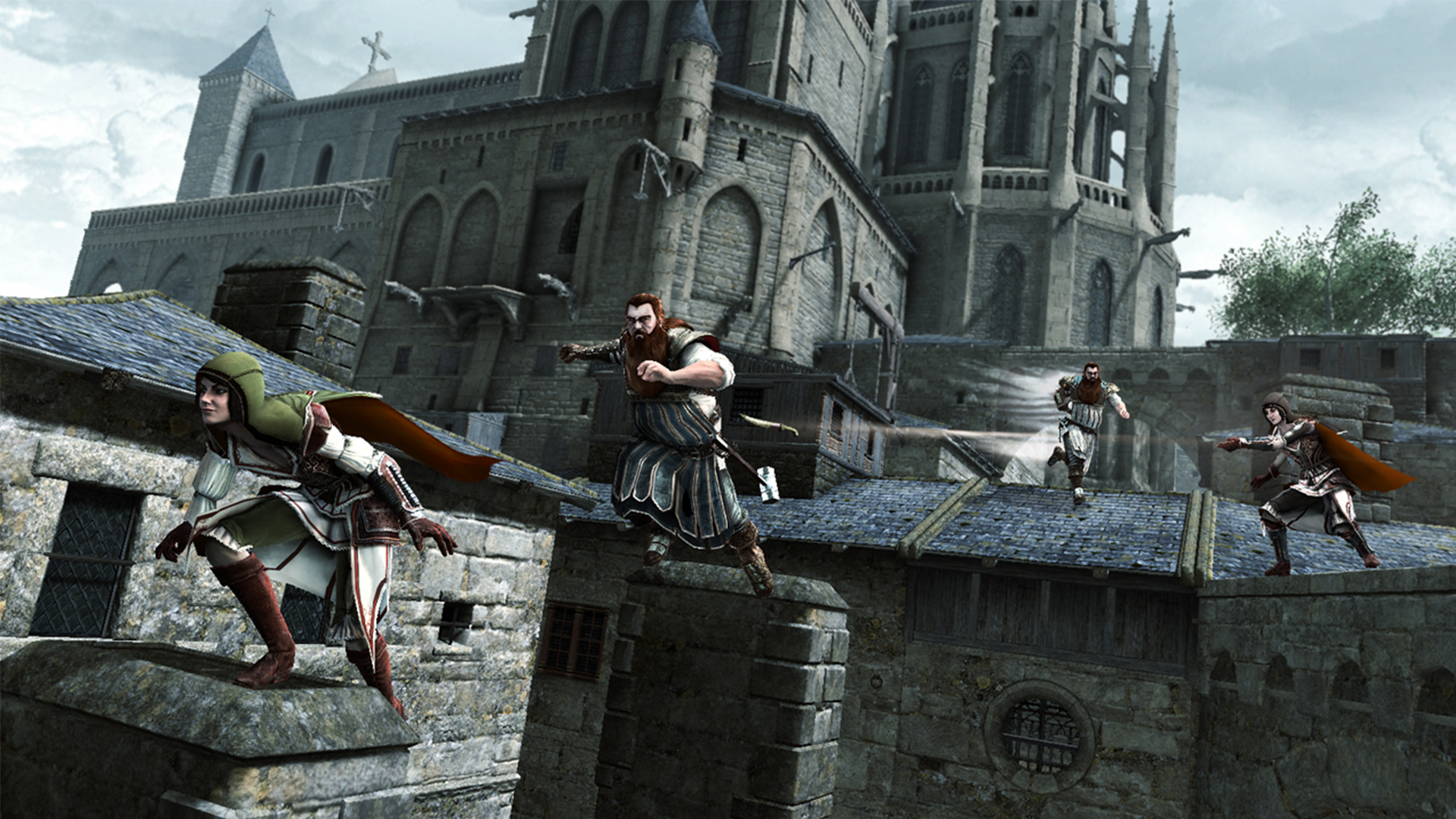
The success of Brotherhood marked a significant turning point for Assassin's Creed. Showing that the franchise had the potential to become something more than just a historical tourism experience. Today, the series continues to evolve, with new games and settings being introduced on a regular basis.
What's Your Reaction?
 Like
1
Like
1
 Dislike
 Love
Love
 Funny
Funny
 Wow
1
Wow
1
 Sad
Sad
 Angry
4
Angry
4

I write about the forces shaping business and the global economy, from startup growth and changing markets to international trade and policy. My work focuses on breaking down complex developments into clear, practical insights and understanding what they could mean for businesses, investors, and the wider economy.











Comments (0)