

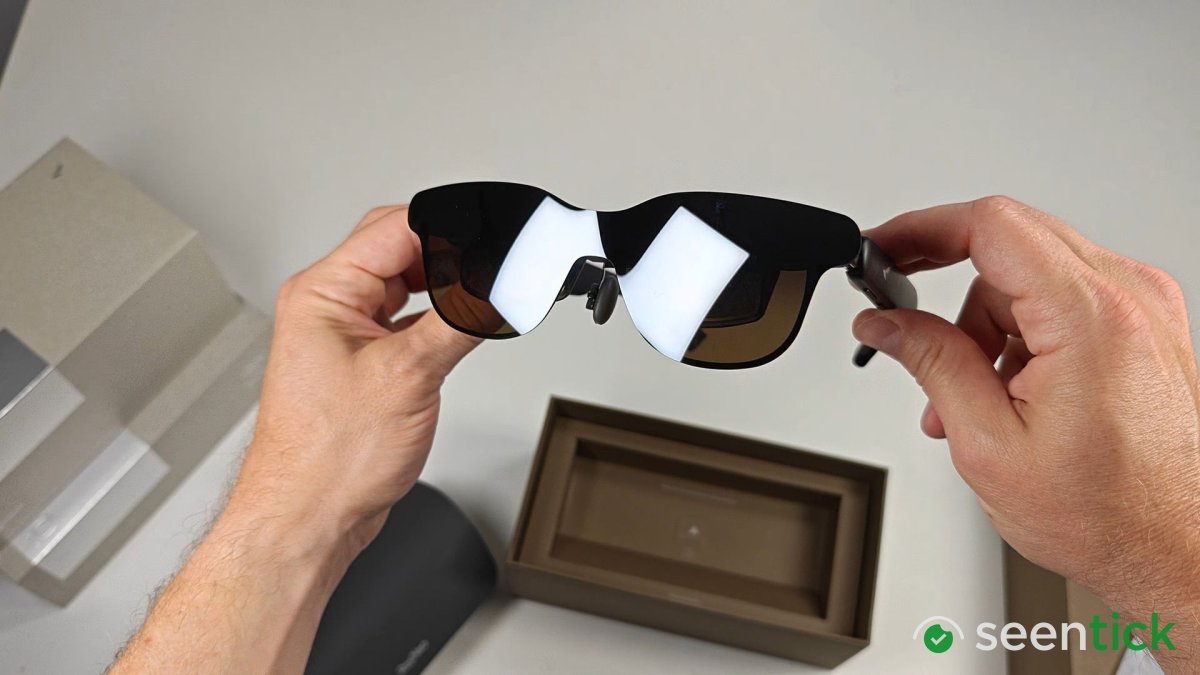
RayNeo GT Smart Glasses Cut Price, Deliver Substantial Upgrades at $299
Key Highlights
- RayNeo GT smart glasses priced at $299.
- Native 3DoF spatial tracking chip and Vision 4000 chipset.
- Three different IPD sizes for adjustable comfort.
The latest release from RayNeo, the GT smart glasses, has generated significant buzz in the tech community. Priced at $299, these glasses boast a native 3DoF spatial tracking chip and Vision 4000 chipset, making them a compelling option for those seeking high-quality smart glasses at an affordable price point.
One of the most notable features of the RayNeo GT is its improved design. Which addresses one of the major criticisms of its predecessor, the Air 4 Pro. According to Nick, who tested the glasses, the new design is far more comfortable than any previous model.
The initial fit put the display too low for his eyes. However, he was able to adjust the nosepiece to perfectly center the screen.
Another significant upgrade is the impressively low-flicker display, which allowed him to wear the glasses for extended periods without discomfort. This feature is particularly notable, as it sets the RayNeo GT apart from other smart glasses in its class. The inclusion of adjustable screen size also helps better scale specific content.
Read More: Arm Unveils Mali G2-Ultra NX GPU with AI-Powered Graphics Capabilities
Making these glasses a great option for those with varying IPD sizes.
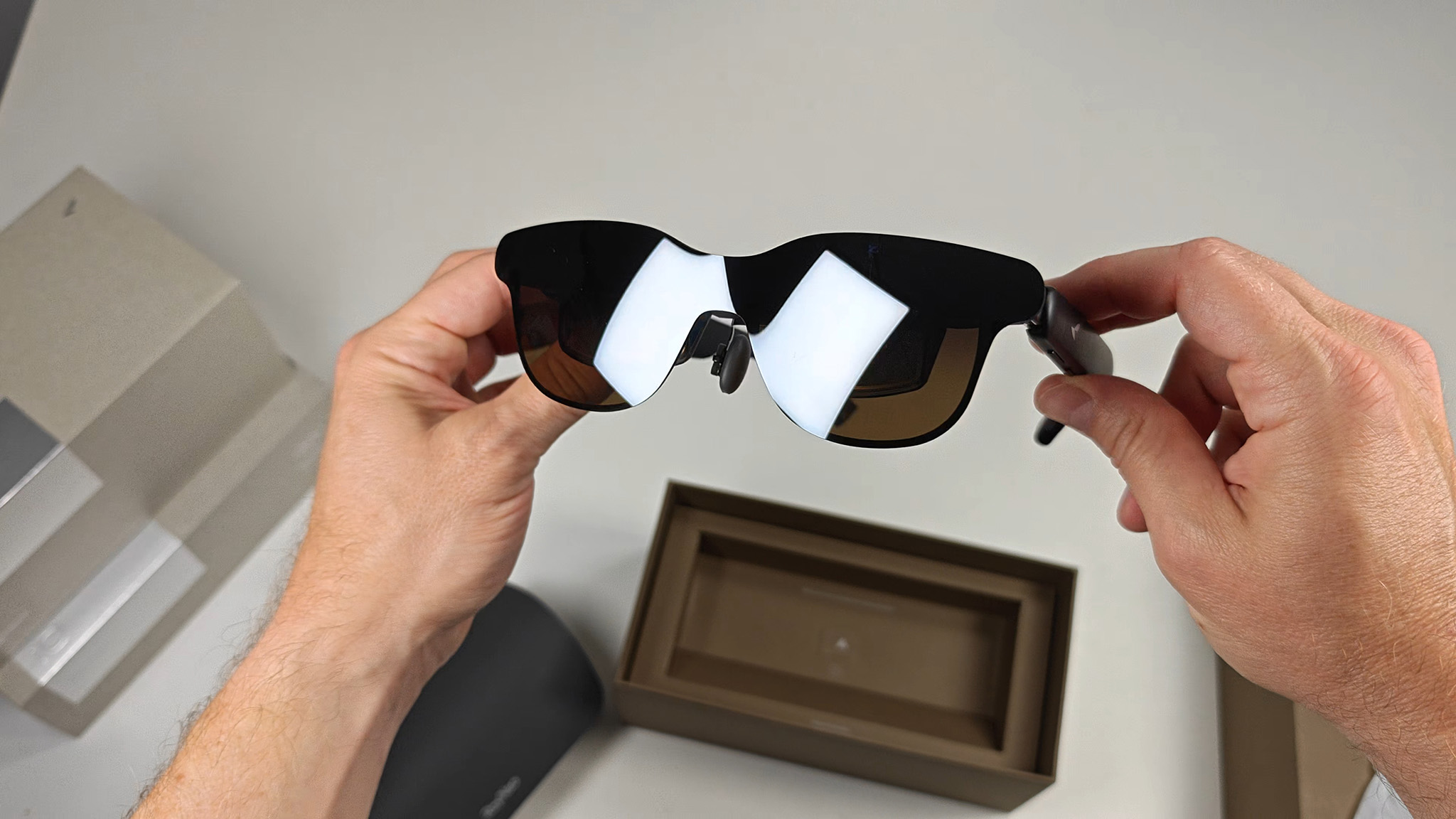
The RayNeo GT smart glasses are equipped with a native 10-bit display and software support for 12-bit Dolby Vision content. They also feature a new 3DoF tracking system that allows users to choose between steady, anchor, and follow (0DoF) modes. This level of technical sophistication is rare in the $300 segment, making the RayNeo GT a standout option.
With its improved design, technical specifications, and features, the RayNeo GT smart glasses are a great option for those looking for a high-quality smart glasses experience. The fact that they can be adjusted to fit three different IPD sizes (small. Medium, and large) makes them more accessible to a wider range of users.
The RayNeo GT's release comes at an interesting time, as the smart glasses market continues to evolve rapidly. With its significant upgrades over its predecessor, the RayNeo GT is poised to make a major impact in this competitive segment. Whether you're looking for improved comfort, technical sophistication, or simply a great value, the RayNeo GT is definitely worth considering.
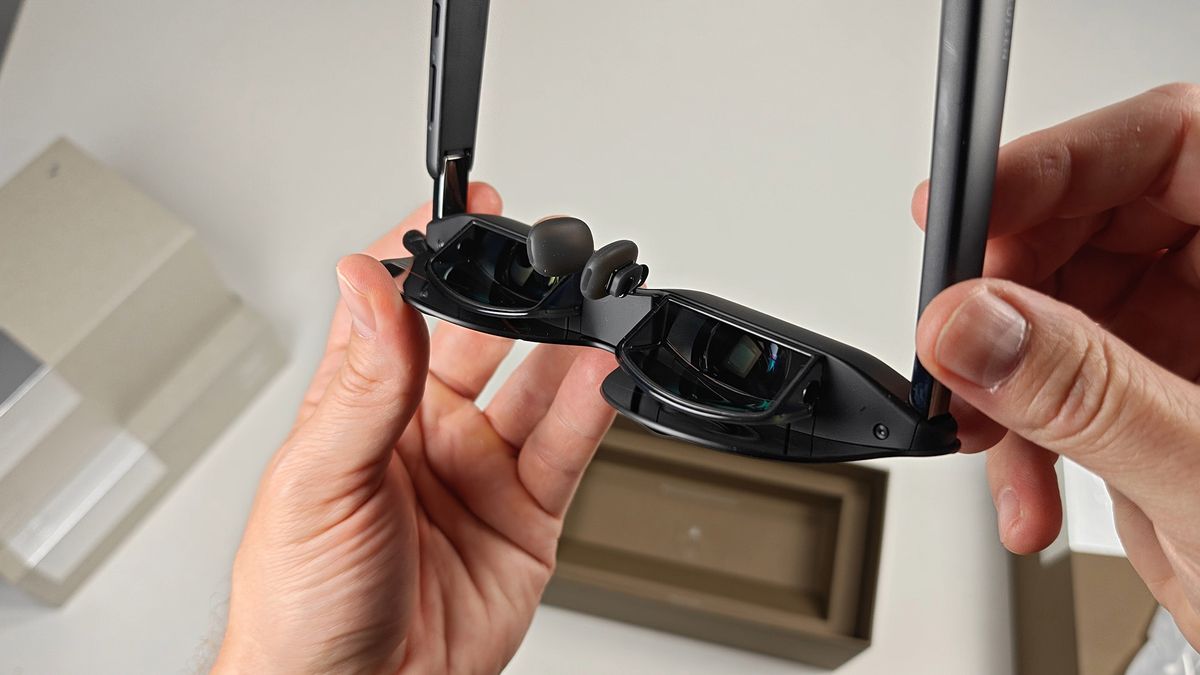
The RayNeo GT smart glasses feature a native 47-degree FoV and are equipped with a native 10-bit display. They also support software for 12-bit Dolby Vision content and include adjustable screen size to accommodate different IPD sizes.
Also Read: ASUS Googlebook Leaked Images Reveal Dark Gray Chassis, Dedicated Google Key
The RayNeo GT smart glasses are a major upgrade for the $300 segment. Offering improved comfort, technical sophistication, and features that set them apart from other smart glasses in their class. With its significant upgrades over its predecessor.
The RayNeo GT is definitely worth considering for those looking for a high-quality smart glasses experience.
As the tech landscape continues to evolve, it's clear that the smart glasses market will only continue to grow and become more competitive. And its release marks an exciting time for fans of wearable technology.
What's Your Reaction?
 Like
2
Like
2
 Dislike
 Love
Love
 Funny
Funny
 Wow
2
Wow
2
 Sad
Sad
 Angry
Angry

Tech journalist and AI enthusiast who enjoys keeping up with the latest in hardware, processors, emerging AI tools, and software. I like digging into new technology, understanding how things actually work, and following the developments that could shape the way we use technology in the future.









Comments (0)