

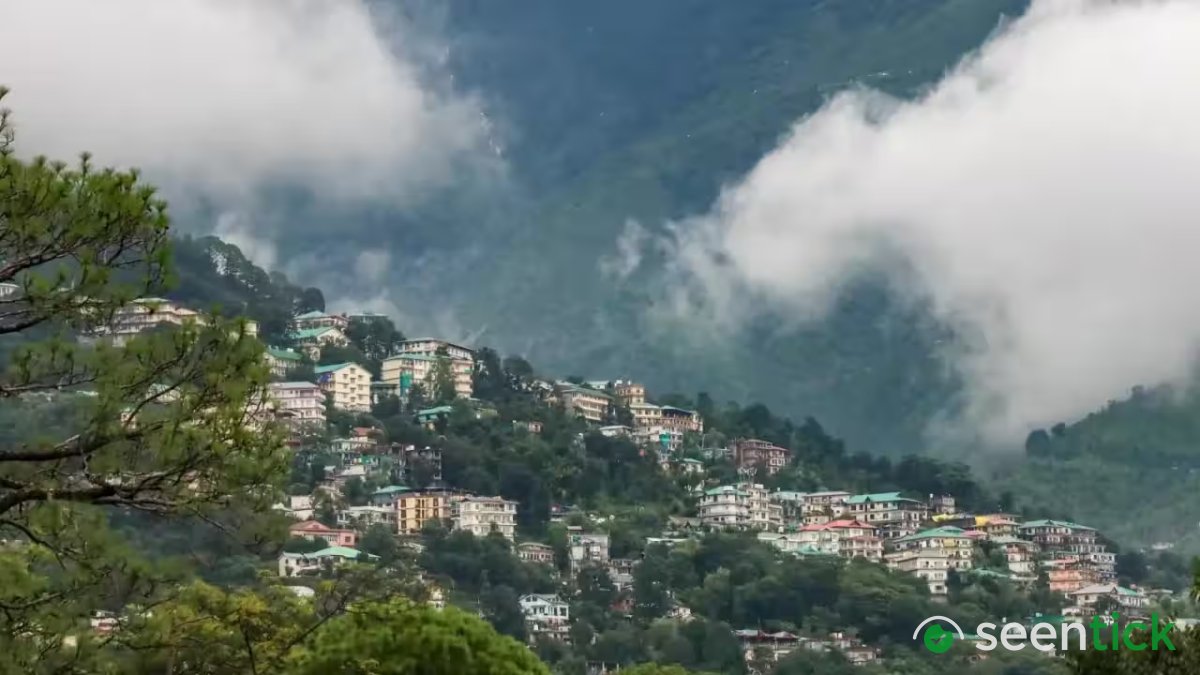
NSO Survey Reveals Rural India Prefers Dharamshalas Over Hotels for Overnight Trips
Key Highlights
- NSO Survey Reveals Rural India Prefers Dharamshalas Over Hotels for Overnight Trips.
- Average Spend on Overnight Trips Rs 16,420 (Urban) and Rs 15,560 (Rural).
- Frequency of Domestic Travel Increased in Past Decade.
Most urban travelers in India opt for hotels, guesthouses, or house rentals for their stay during overnight domestic trips. In contrast, dharamshalas remain the top choice for those from rural India, according to the latest domestic tourism survey by NSO.
The survey found that over three-fourths of Indians who traveled in the past year did so for medical or pilgrimage purposes. The average spend on these trips works out to Rs 16,420 for urban travelers and Rs 15,560 for rural travelers.
NSO's survey defined an overnight trip as a journey to a destination for a duration of not less than 12 hours. This includes midnight hours, for two consecutive calendar days, and not exceeding 180 days. The frequency of domestic travel has increased in the past decade, compared to the last such survey in 2014-15.
Read More: Sensex's 2-Year Drought: What's Behind India's Slowing Stock Market
For every 100 tourist households, there are now 127 trips in rural areas, up from 118 in 2014-15.
Bus remains the primary mode of transport in rural areas, accounting for 32% of trips. Meanwhile, train remains the preferred mode for urban travelers, with 35% of trips. In terms of expenditure, people spent the most on transport, both in rural and urban areas, accounting for nearly 35% of total trip costs.
For medical trips, expenses on medicine were the largest component, accounting for nearly 75% of total costs.
Social trips accounted for the largest share among these kinds of trips, with 89% of trips falling into this category. Most trips lasted less than three days, with only 12.5% of rural tourist households undertaking longer trips. In contrast, 36.4% of urban areas undertook longer trips in the past year.
According to the survey, more than 95% of religious and leisure trips were self-financed, with no government or institutional reimbursement option available to travelers. However, 8% of overnight trips undertaken for health and medical purposes were reimbursed by the government.
Also Read: CEA Flags India's Economic Growth Over 'Uneasy Equilibrium'
Travelers' spending habits and preferences offer valuable insights into the Indian tourism industry. By understanding these trends, policymakers and industry stakeholders can develop targeted strategies to promote domestic tourism and support rural communities.
India's domestic tourism sector is witnessing a significant surge, with the frequency of domestic travel increasing in the past decade. The latest survey by NSO provides a comprehensive understanding of travelers' preferences and spending habits. Offering a wealth of information for policymakers and industry stakeholders.
The survey's findings have significant implications for the Indian tourism industry, with rural areas emerging as a key growth area. By understanding the preferences and spending habits of rural travelers.
What's Your Reaction?
 Like
Like
 Dislike
 Love
Love
 Funny
Funny
 Wow
2
Wow
2
 Sad
Sad
 Angry
2
Angry
2

I write about the forces shaping business and the global economy, from startup growth and changing markets to international trade and policy. My work focuses on breaking down complex developments into clear, practical insights and understanding what they could mean for businesses, investors, and the wider economy.











Comments (0)