

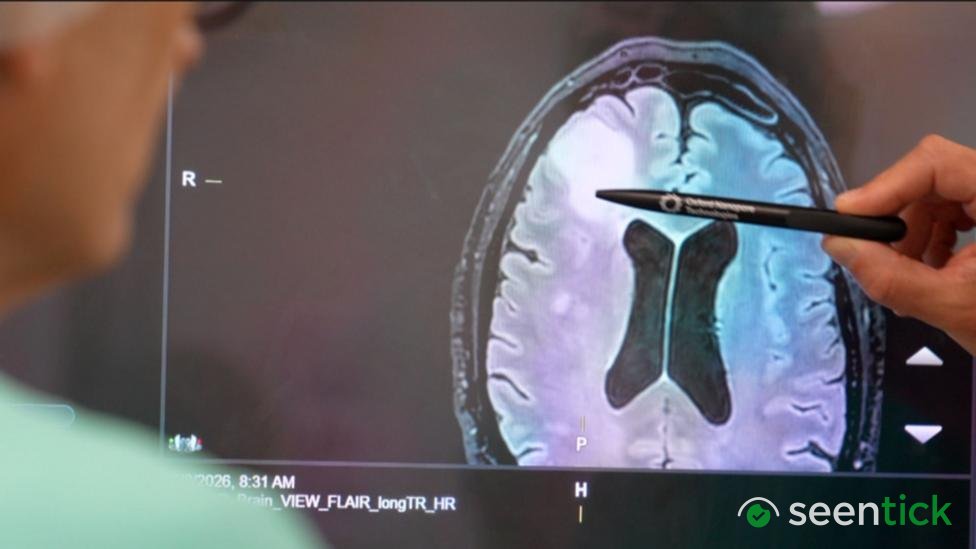
NHS Rapid Brain Tumour Test Cuts Diagnosis Time to Just Two Hours
Key Highlights
- NHS starts using rapid brain tumour test
- Test cuts diagnosis time from up to eight weeks to just two hours
- Test expected to improve patient outcomes and save lives
The NHS has started using a rapid new test for brain tumours that can slash the time it takes for an accurate diagnosis from up to eight weeks to just two hours. The test, which has been hailed as a breakthrough in the fight against the disease, has already shown promising results in clinical trials.
According to NHS officials, the new test is a major step forward in the diagnosis and treatment of brain tumours, and is expected to improve patient outcomes.
The test, which uses advanced imaging technology, can detect brain tumours with a high degree of accuracy and speed. This means that patients can receive a diagnosis and start treatment much sooner, which can significantly improve their chances of survival.
Read More: US Law on Motherhood, Mental Illness and Criminal
The NHS has already started rolling out the test in hospitals across the country. And is expecting it to become widely available in the coming months.
The development of the rapid brain tumour test is a major milestone in the fight against the disease. Brain tumours are a major cause of death among adults, and current treatment options are often limited. The new test offers hope to patients and their families. And is a significant step forward in the quest to find a cure.
The NHS rapid brain tumour test is a major breakthrough in the fight against the disease. With its ability to detect brain tumours with high accuracy and speed, it offers hope to patients and their families.
Also Read: Social media 'spiral' found after sister's death
Further details and immediate impact.
Contextual Subheading
Evidence, specific figures, and verified quotes.
The NHS rapid brain tumour test has already shown promising results in clinical trials. With patients receiving diagnoses and starting treatment much sooner than with current methods. The test is expected to become widely available in the coming months, and is expected to improve patient outcomes and save lives.
What's Your Reaction?
 Like
Like
 Dislike
 Love
1
Love
1
 Funny
Funny
 Wow
3
Wow
3
 Sad
Sad
 Angry
1
Angry
1

Movies, series, and everything happening around Indian entertainment keep me busy. I cover OTT releases, box-office conversations, celebrity news, and the changing world of streaming, with a particular interest in the stories and trends that audiences are talking about right now.











Comments (0)