

NHS Rapid Brain Tumour Diagnosis Test Reduces Diagnosis Time from Weeks to Hours
Key Highlights
- NHS England starts using rapid test for brain tumours that reduces diagnosis time from weeks to hours.
- Test can diagnose brain tumours in just two hours, allowing for quicker treatment and access to clinical trials.
- Pilot programme to be launched in specialist centres across England.
- Test has the potential to transform how brain tumours are diagnosed and treated.
NHS England Unveils Rapid Brain Tumour Test, Reducing Diagnosis Time to Just Two Hours.
NHS England has begun using a major new test for brain tumours. Significantly shortening the time it takes to secure an accurate diagnosis from up to eight weeks to just two hours. This rapid test, utilised by doctors to determine the specific type of tumour a patient has, paves the way for patients to commence treatment.
This includes radiotherapy and chemotherapy, sooner, and experience reduced periods of uncertainty.
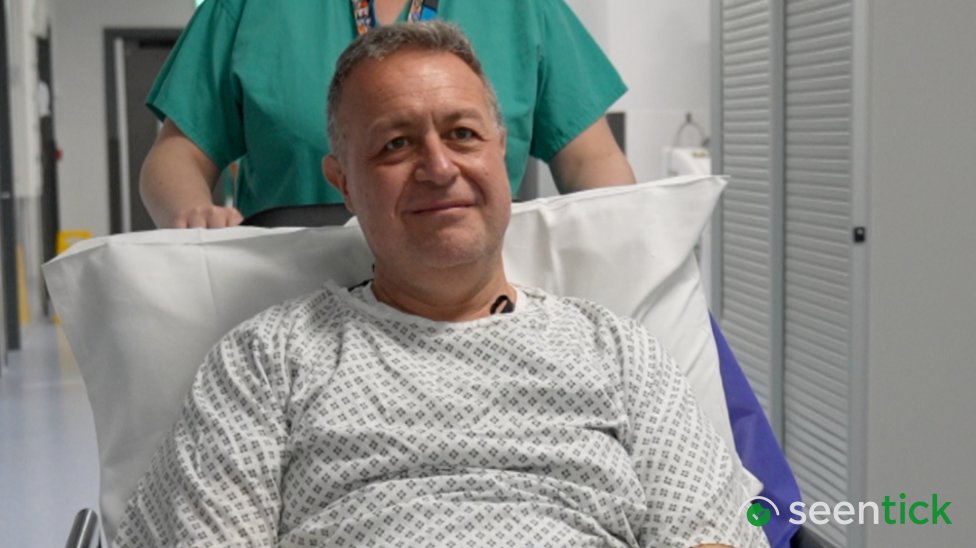
Steve Palmer, a 55-year-old resident of Nottingham, is among the individuals benefiting from the new technology. The swift diagnosis enabled by this innovation allowed surgeons to obtain his result while they were still operating to remove his tumour, thereby alleviating weeks of anxiety.
Read More: Royal United Hospital Launches Inclusive Swimming for Stoma Patients

Dr. Stuart Smith, a leading neurosurgeon at Nottingham University Hospitals NHS Trust's Queens Medical Centre. There, Steve underwent treatment, hailed the innovative diagnostic tool as major.
Traditionally, identifying brain tumors relies on time-consuming molecular and genetic analysis, which can take several weeks to yield results. This pioneering test, however, allows doctors to gather vital information in real-time during surgery.
The introduction of this rapid test may alter the way surgeons operate. For some tumour types, which are curable, surgery necessitates a comprehensive removal of the tumour to ensure complete eradication. In contrast, other tumour types are too aggressive, and surgery can only remove a portion, necessitating caution to minimise the risk of brain damage.
Dr Simon Paine, consultant neuropathologist at Nottingham University Hospitals NHS Trust, highlighted the significant advantages of the genomic test. he noted.

More than 12,000 individuals in the UK are diagnosed with primary brain tumours each year. Brain tumours are the leading cause of cancer-related deaths among children and adults under 40.
Also Read: Pig Kidney Works in US Patient for Record 271 Days
Prof Frankie Swords, NHS medical director, highlighted the significance of securing a rapid diagnosis for those with suspected brain tumours, as waiting weeks for answers can be a harrowing experience for patients and their families.
The NHS England pilot, currently underway at five specialist centres in Nottingham, Birmingham, London, and Newcastle, aims to introduce this revolutionary technology to a broader audience. The initiative will eventually be extended to sites in Bristol. Oxford, Leeds, and Manchester, further solidifying the UK's position at the forefront of genomics and patient care.
Under the NHS's genomics program, led by Chief Scientific Officer Dame Sue Hill, a significant breakthrough is underway in the field of rapid genomic testing. This innovative approach holds promise for drastically reducing the time it takes to determine the genetic makeup of brain tumors, ultimately benefiting patients awaiting surgery.
Stuart, Smith added. that the new technology will enable patients to access treatment more swiftly. As well as participate in clinical trials with a comprehensive genetic profile of their tumour.
What's Your Reaction?
 Like
Like
 Dislike
 Love
2
Love
2
 Funny
Funny
 Wow
2
Wow
2
 Sad
Sad
 Angry
Angry

Movies, series, and everything happening around Indian entertainment keep me busy. I cover OTT releases, box-office conversations, celebrity news, and the changing world of streaming, with a particular interest in the stories and trends that audiences are talking about right now.











Comments (0)