

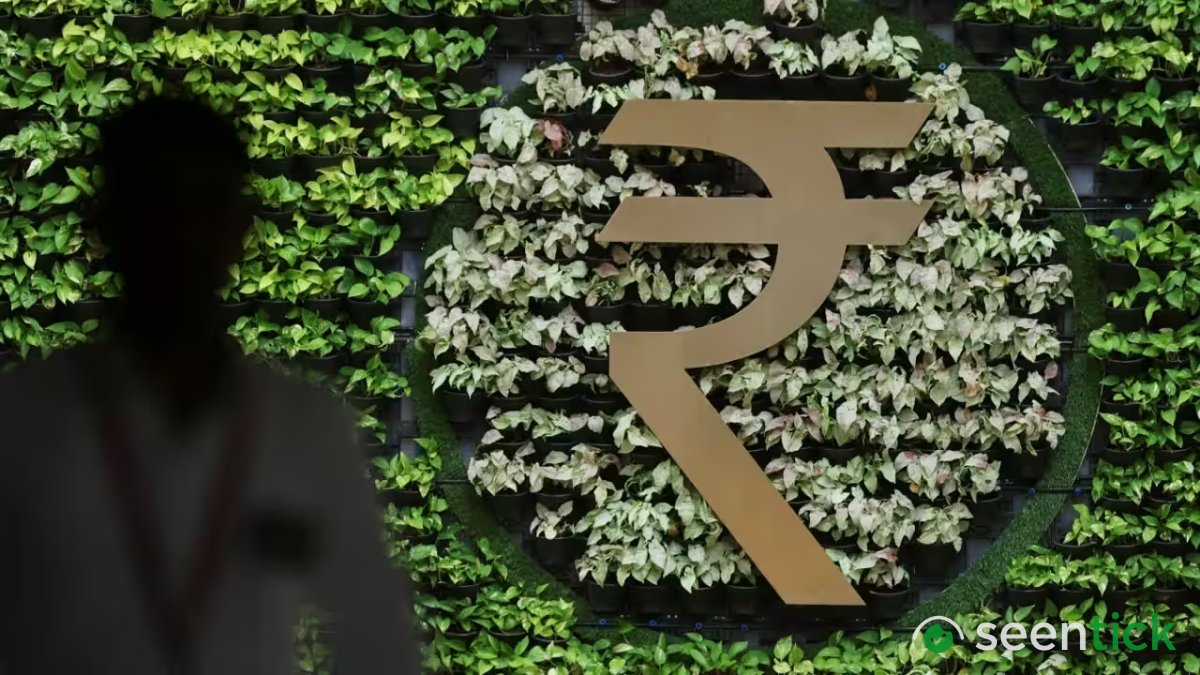
Rupee May Stay Near Rs 96 as Dollar Inflows Limited to Reserves
Key Highlights
- Bank of Baroda report predicts rupee to stay near Rs 96 in near term.
- Dollar inflows largely go into RBI reserves, limiting appreciation in rupee.
- RBI intervention and market sentiment play key roles in rupee movements.
The rupee's stability in the near term is expected to be influenced by the influx of dollars through various channels. This includes FCNR deposits and external commercial borrowings. A recent Bank of Baroda research report provides valuable insights into the factors driving the rupee's movements.
According to the report, the majority of the dollar inflows have been absorbed by the Reserve Bank of India's reserves, rather than being released into the market. This has limited the potential for the rupee to appreciate in response to the increased dollar supply.
The report suggests that the rupee's range is likely to remain within Rs 94.5-96 per dollar in the near term. Citing a range of factors that contribute to its stability. The report notes that sharp appreciation of the rupee has been limited due to the inflows being directed towards reserves rather than the market.
Read More: Airtel Money Eyes $800 Million Raise in London Stock Listing
Analysis of the relationship between RBI interventions and rupee movements reveals a significant connection between the two. When considering both spot and forward interventions together, their combined explanatory power stands at 34 per cent. In contrast, spot intervention alone accounts for 25 per cent, and forward operations alone account for 19 per cent.
The report's findings suggest that the RBI's use of both spot and forward operations together could be a more effective strategy for managing the currency. This approach could potentially provide a more stable exchange rate.
Forex reserves, on the other hand, have a relatively limited explanatory power of 18 per cent. The report notes that even a significant increase in reserves following dollar inflows does not necessarily lead to a major movement in the exchange rate.
Foreign Portfolio Investment (FPI) flows also exhibit a significant relationship with the rupee when examined separately. However, this significance disappears when other variables are considered alongside FPI flows.
The report highlights the complexity of the factors driving the exchange rate, stating that the factors at play operate through multiple channels. Separating these factors statistically does not reveal a dominant variable.
Also Read: Baba Kalyani Voted Against Nephew, Sameer Hiremath Secures Hikal Chairmanship
The analysis reveals that the variables studied explain no more than 40 per cent of the variation in the rupee. A substantial portion of the movement remains outside the scope of the analysis.
The report attributes this unexplained component to sentiment. Which includes factors such as the timing of dollar purchases by importers and exporters, and the flow of remittances.
Researchers have identified a multifaceted interplay driving the rupee's fluctuations, countering the notion of a single key factor at play. Based on this nuanced understanding, forecasters predict the currency will continue to hover within a tight $1.95-$2.00 range in the coming months.
What's Your Reaction?
 Like
2
Like
2
 Dislike
 Love
Love
 Funny
Funny
 Wow
2
Wow
2
 Sad
Sad
 Angry
2
Angry
2

I write about the forces shaping business and the global economy, from startup growth and changing markets to international trade and policy. My work focuses on breaking down complex developments into clear, practical insights and understanding what they could mean for businesses, investors, and the wider economy.













Comments (0)