

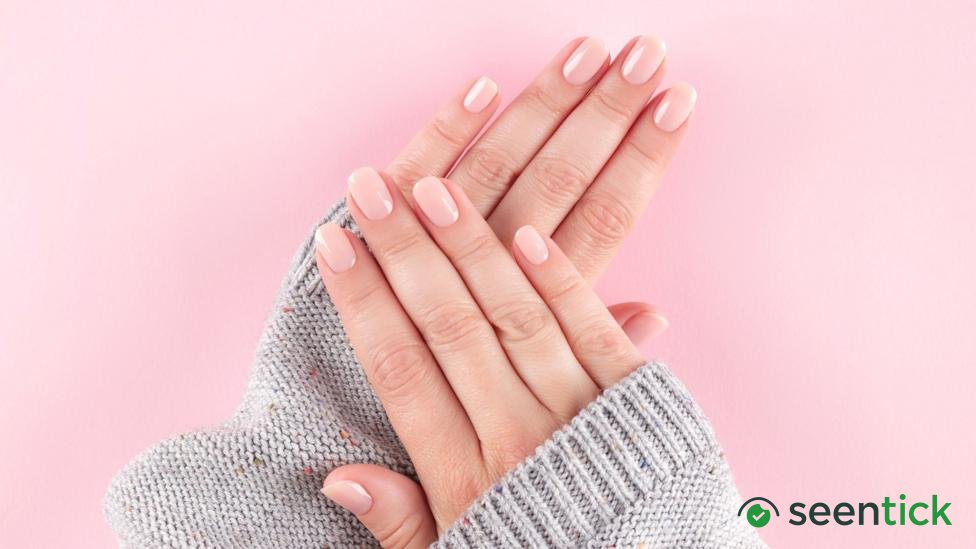
Bare Nails Become Status Symbol as Manicures Fall Out of Favor
Key Highlights
- Paloma Buddemeier's salon sees surge in customers seeking bare-looking nails.
- Beauty journalist Kristina Rodulfo warns of trend's potential impact on cultural identity.
- Nail art has historical roots in black, Latino, and Asian communities.
Paloma Buddemeier, owner of Wumman Spa in London, has observed a significant increase in customers seeking bare-looking nails, despite the trend's popularity. The salon's demand for regular nail maintenance has decreased, with many clients opting for the minimalist look. Buddemeier notes that the trend is not limited to younger generations, with many still embracing the bare-nail aesthetic.
The viral craze has been featured in various fashion and beauty publications, with headlines such as "The Bare-Nail Revolution" and "Ditching the Manicure: The New Status Symbol." Beauty journalist Kristina Rodulfo has expressed concerns that the trend promotes a lack of individuality and cultural homogenization. She argues that the trend often relies on euphemisms to perpetuate white supremacist standards of beauty.
For some, the choice to adopt the bare-nail trend is about simplifying their routine or rebelling against traditional beauty standards. Nail art has a rich history in black, Latino, and Asian communities. There, it was used as a means of self-expression and cultural identity.
Celeste Hampton, a celebrity nail artist, notes that the art form allowed black women to express their femininity and beauty in a time when it was difficult to do so. The evolution of nail art has been influenced by various artists and icons, including Josephine Baker, Dianna Ross, and Florence Griffith-Joyner.
The rising cost of living has been cited by some as a reason for adopting the bare-nail trend. Others argue that the trend belies a more sinister message, with manicures historically conveying social status and wealth. Fashion journalist Suzanne E.
Read More: Dr John Gibbs: Lucy Letby Inquiry Report Makes for 'Grim Reading'
Shapiro notes that even natural nails require maintenance and can be seen as a symbol of consumerism. Paloma Buddemeier's salon has seen a shift in customer demand, with some clients opting for hyper-realistic fake nails. For others, the trend is about embracing minimalism and self-care.
Radio 2 presenter Angela Scanlon has also joined the trend, citing a desire to free up time and mental bandwidth. Her decision is part of a broader conversation about the importance of self-care and individuality in the beauty industry.
Nail art has its roots in black, Latino, and Asian communities, who pioneered the art form as a means of self-expression. Entertainer Josephine Baker, disco icons Dianna Ross and Donna Summer, and Olympic gold-medal-winning sprinter Florence Griffith-Joyner have all contributed to the evolution of nail art.
"These were times that it was hard for black women to be able to express themselves," says celebrity nail artist Celeste Hampton. "[Nail art] allowed black women to express our form of softness, our form of femininity, our form of beauty."
Reluctant converts to the bare nails trend cite the rising cost of living as a reason for joining the bandwagon. "It's just too expensive now," says Emmanuella, a 25-year-old.

Manicures have been a symbol of wealth and status for centuries. With the longest nails belonging to nobility in 13th century Imperial China. The rise of nail art as a means of self-expression was pioneered by women of color.
Who used the art form to challenge oppressive beauty standards. "The irony in all this is these natural nails are not natural either," says fashion journalist Suzanne E. Shapiro.
Also Read: Chile Fire: President Orders Review of Nursing Homes After 16 Elderly Residents Die in Blaze
"They also require a lot of grooming and sometimes pretty premiere services."
"It's just really chic. And I love less is more, I love minimalism. less consumerism and just self-care things that you could probably do at home." says Londoner Khadija.
For others, the trend is about rebelling against an entrenched beauty standard or saving time and money.
"For me, it's like just pause judging ourselves and everybody else. Some people like to have the nails done, some people don't," she says.

The bare-nail trend is likely to continue gaining popularity, with many consumers embracing the minimalist aesthetic. As the trend evolves, it will be interesting to see how it intersects with other beauty trends and cultural movements. For now, it seems that the bare-nail revolution is here to stay, with many consumers embracing the simplicity and self-care that it offers.
What's Your Reaction?
 Like
Like
 Dislike
 Love
Love
 Funny
Funny
 Wow
4
Wow
4
 Sad
Sad
 Angry
Angry

Movies, series, and everything happening around Indian entertainment keep me busy. I cover OTT releases, box-office conversations, celebrity news, and the changing world of streaming, with a particular interest in the stories and trends that audiences are talking about right now.










Comments (0)