

Nepal Hydropower Workers Describe Harrowing Tunnels of Survival During Flash Floods

Nepal Hydropower Workers Describe Harrowing Tunnels of Survival During Flash Floods
Key Highlights
- Surviving construction workers from northern Nepal hydroelectric projects shared emotional accounts of escaping floodwaters.
- Laborers described rushing torrents of mud and water crashing through underground access shafts following sudden cloudbursts.
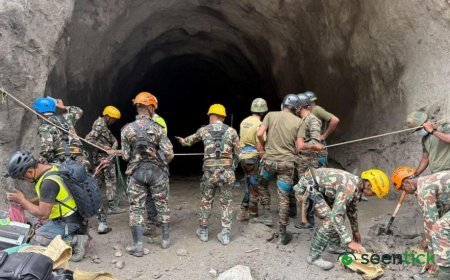
- Military emergency teams successfully rescued dozens of stranded technical personnel via tactical rope hoists and rafts.
In gripping firsthand accounts that illustrate the extreme perils faced by Himalayan infrastructure workers, surviving engineers and laborers have described their desperate, hours-long struggle for survival inside flooded subterranean tunnels in northern Nepal. When sudden monsoon cloudbursts triggered catastrophic surges in mountain rivers, millions of cubic meters of water and glacial debris crashed through intake gates, trapping night-shift maintenance crews underground.
Read More: US singer D4vd's celebrity lawyers withdraw from murder case
Survivors recounted how quick thinking, teamwork, and heroic military rescue interventions enabled them to escape before water levels reached tunnel ceilings.
A Race Against Rising Mud and Debris
Workers described hearing a deafening roar resembling an earthquake seconds before a massive wall of silt and river boulders slammed into the main excavation chamber, knocking out primary electrical generators. Guided only by helmet lamps, workers scrambled up emergency ventilation shafts and perched on metal scaffolding for over 18 hours until rescue teams arrived.
Nepal Army and Armed Police commandos breached outer rock blockages using pneumatic drills and lowered high-capacity oxygen lines and harnesses to extract the exhausted survivors.
Engineering Resilient Mountain Infrastructure
Following the disaster, international civil engineering bodies and Himalayan power developers are conducting comprehensive reviews of subsurface safety protocols, advocating for automated hydraulic floodgates, secondary emergency escape adits, and satellite-linked early-warning cloudburst alarms across all high-altitude hydroelectric facilities.
What's Your Reaction?
 Like
1
Like
1
 Dislike
 Love
Love
 Funny
Funny
 Wow
Wow
 Sad
2
Sad
2
 Angry
Angry

I write about the forces shaping business and the global economy, from startup growth and changing markets to international trade and policy. My work focuses on breaking down complex developments into clear, practical insights and understanding what they could mean for businesses, investors, and the wider economy.










Comments (0)