

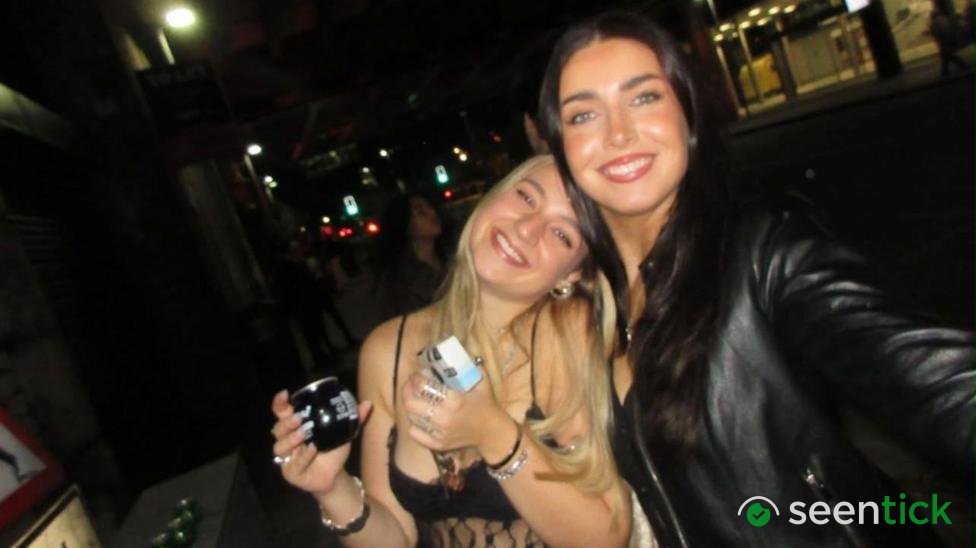
Hang-xiety: The Anxiety That Comes with a Hangover
Key Highlights
- Researchers say hang-xiety is a real thing.
- Alcohol affects the brain's GABA and glutamate levels.
- Hang-xiety can be triggered by physical symptoms and psychological effects.
Researchers have confirmed that hang-xiety, a term coined in social slang a decade ago, is a legitimate anxiety disorder. According to Eleanor Tobin, a 25-year-old marketing and events professional in London, hang-xiety is characterized by a nagging feeling of dread that often accompanies a hangover.
This anxiety can be triggered by both physical symptoms, such as a throbbing head, and psychological effects. This includes the impact of alcohol on the brain and nervous system.
Dr. Celia Morgan, a professor of psychopharmacology at the University of Exeter, explains that alcohol affects the brain's chemical balance by influencing two key neurotransmitters: GABA and glutamate. GABA acts as a regulatory mechanism, reducing nerve-cell activity, while glutamate is involved in excitation and alertness.
When alcohol's effects wear off, the nervous system can experience an overcorrection. This led to increased alertness and arousal, which in turn can trigger anxiety.
Read More: The Hidden Health Toll of Sleeping Beside a Chronic Snorer
Researchers have also identified a psychological component to hang-xiety. Innocuous moments can become distorted in one's mind, leading to feelings of embarrassment. Meanwhile, a seemingly innocuous joke can be reinterpreted as a catastrophic mistake.
This anxious spiral can persist even after physical symptoms have subsided, as it feeds on itself. Worrying thoughts can disrupt critical thinking, which in turn can produce more worry, creating a vicious cycle.

Alcohol's effects on sleep patterns, including disruptions to rapid eye movement (REM) sleep, can exacerbate hang-xiety. Waking up dehydrated and sleep-deprived can further impair one's ability to cope with anxious thoughts. Dr.
Alanna Hare, President of the British Sleep Society, notes that "light and broken sleep can leave you feeling on edge."
Health experts caution against excessive drinking, advocating a balanced approach to enjoying alcohol. To mitigate risks, individuals are advised to hydrate between drinks and snack during social gatherings.
Also Read: Thousands of Cancer Patients Face Unbearable Waiting Times in England
The UK's recommended guidelines, which translate to 14 units of alcohol per week – roughly equivalent to six pints of beer or six glasses of wine – emphasize the need for moderation, spread across several days.
Hang-xiety is a legitimate anxiety disorder that can be triggered by both physical and psychological factors. By understanding its causes and effects, individuals can take steps to mitigate its impact. Moderation, self-care, and a balanced lifestyle can help reduce the risk of developing hang-xiety and alleviate its symptoms.

For more information on hang-xiety and its management, consult reputable sources, such as the National Health Service (NHS) or the British Sleep Society.
What's Your Reaction?
 Like
3
Like
3
 Dislike
1
Dislike
1
 Love
Love
 Funny
Funny
 Wow
1
Wow
1
 Sad
Sad
 Angry
Angry

Movies, series, and everything happening around Indian entertainment keep me busy. I cover OTT releases, box-office conversations, celebrity news, and the changing world of streaming, with a particular interest in the stories and trends that audiences are talking about right now.









Comments (0)