

Flock's AI Surveillance Network Sparks Growing Backlash Across the United States
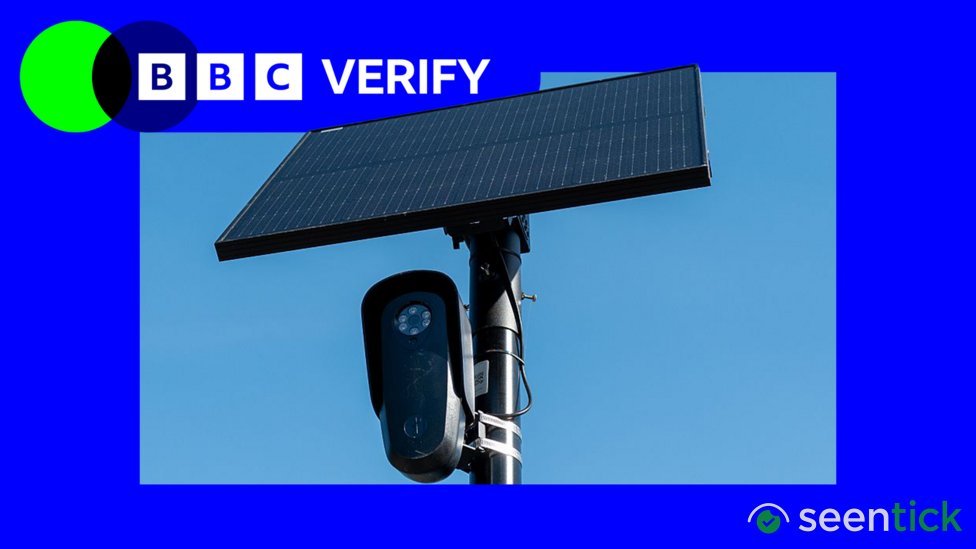
Flock's AI Surveillance Network Sparks Growing Backlash Across the United States
Key Highlights
- Tech company Flock Safety has deployed over 130,000 AI-powered Automated License Plate Readers (ALPR) across the US.
- Civil rights groups and privacy advocates have raised alarm over warrantless vehicular tracking and cloud data retention.
- Municipal city councils in several states are debating new legislative ordinances to restrict automated surveillance sharing.
The rapid, quiet expansion of private surveillance technology across American residential neighborhoods has ignited a fierce national privacy debate centered on tech firm Flock Safety. With more than 130,000 solar-powered, AI-enabled Automated License Plate Readers (ALPR) deployed across hundreds of cities, the company processes billions of vehicular vehicle scans each month for police departments and homeowners associations.
Read More: Senior Hamas Operational Commander Captured in Gaza Special Forces Raid
While law enforcement agencies credit the network with solving stolen vehicle cases and Amber Alerts rapidly, civil liberties advocates warn of unprecedented mass surveillance without judicial warrants.
Warrantless Tracking and Data Sharing Across Borders
Privacy scholars from the ACLU and Electronic Frontier Foundation (EFF) point out that Flock cameras do not merely scan license plates-their computer vision algorithms catalog vehicle make, model, color, bumper stickers, and roof racks, creating comprehensive historical travel profiles for millions of law-abiding citizens.
Concerns have intensified over inter-agency data sharing, where municipal police data is routinely queried by out-of-state law enforcement agencies without local judicial oversight.
City Councils Push for Legislative Transparency
In response to growing community pushback, several municipal city councils in California, Illinois, and Washington have introduced local ordinances requiring strict data audit trails, mandatory 30-day data deletion windows, and public transparency reports before renewing surveillance contracts.
What's Your Reaction?
 Like
2
Like
2
 Dislike
 Love
Love
 Funny
Funny
 Wow
1
Wow
1
 Sad
Sad
 Angry
Angry

I write about the forces shaping business and the global economy, from startup growth and changing markets to international trade and policy. My work focuses on breaking down complex developments into clear, practical insights and understanding what they could mean for businesses, investors, and the wider economy.











Comments (0)