

Japan Inc is betting big on India as China risks deepen
Japan Inc is betting big on India as China risks deepen
Key Highlights
- India's commerce minister Piyush Goyal led the country's largest-ever business delegation to Japan last week in a bid to expand trade and investment ties between the two countries.
- His visit came as Japan's deepening push into Asia's third largest economy has become increasingly more apparent.
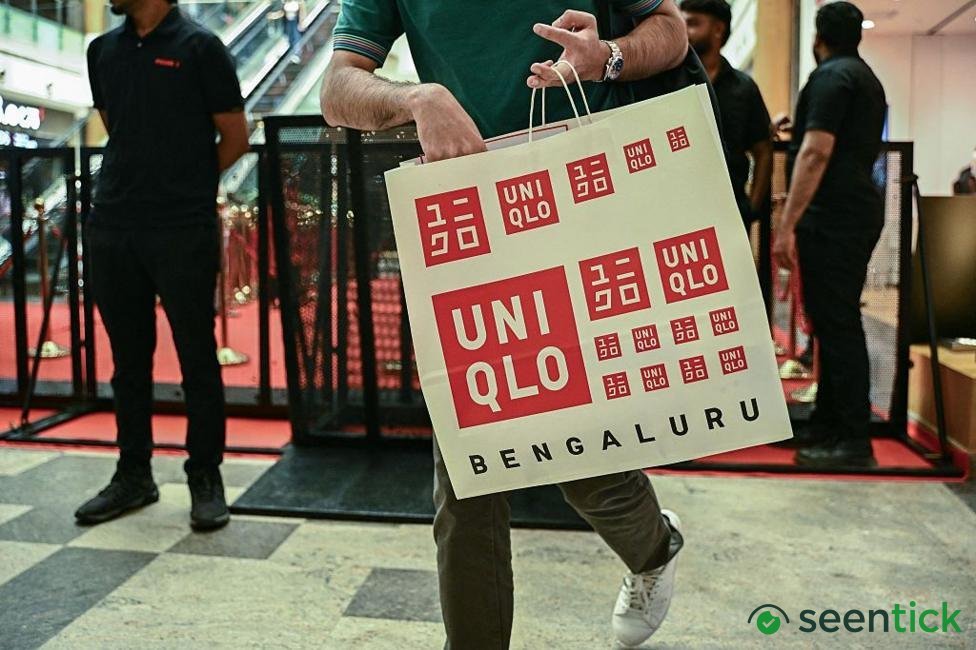
- If you visit a shopping mall or a high street in Mumbai, Delhi or Bengaluru, it's hard to miss the growing number of Japanese consumer brands that have set up shop across India.
India's commerce minister Piyush Goyal spearheaded the country's largest-ever business delegation to Japan last week in a bid to bolster trade and investment ties between the two nations.
The visit comes as Japan's growing presence in Asia's third-largest economy has become increasingly apparent, with its consumer brands sprouting up across India. From Uniqlo and Muji's rapid expansion to niche players like Nitori, the Japanese furniture maker that recently entered the market, it's clear that Indian consumers are embracing Japanese goods.
But Japan's push into India isn't limited to retail. In a time when foreign lenders have been exiting their Indian bank portfolios, Japanese banks are aggressively bidding for Indian financial assets.
Read More: US Singer D4vd to Face Trial for Murder of 14-Year-Old Girl in Los Angeles
MUFG Bank, Japan's largest bank, closed a deal last year to buy 20% of Indian shadow lender Shriram Finance for $4.4 billion, marking the biggest ever foreign investment in India's financial sector.
Sumitomo Mitsui Banking Corporation (SMBC) also made headlines when it became the largest shareholder in India's Yes Bank with a 24.22% stake last year. Japan Inc is now the largest contributor to India's booming ecosystem of global capability centres (GCCs) in the Asia Pacific, with over 100 Japanese firms operating these hubs across the country.
Japanese companies are having to look to India for growth, with Vipul Nath Jindal, Founder of Next Bharat Ventures, noting that the local population has been declining for the past 16-17 years. "There isn't just a slowdown in domestic demand, but a permanent shrinking of the market," he said.
In contrast, Japan's traditional markets for expansion have become increasingly less attractive, with investment into China falling sharply amid geopolitical tensions and changing economic dynamics. The US market is also more challenging due to tariffs and domestic competition, while Southeast Asian economies are limited in size.
Also Read: John Galliano exhibition at New York Met cancelled after backlash
Against this backdrop, India has emerged as a natural target market for Japanese companies seeking long-term business growth. Economic ties between the countries have gathered pace at a government-to-government level, with agreements signed nearly a decade-and-a-half ago to liberalise trade.
However, challenges to expanding the full scope of this relationship are many. Japan remains deeply integrated into Chinese manufacturing networks, while India's engagement is more uneven but still significant in key sectors. Economic interdependence constrains the scope for coordinated measures, imposing significant commercial costs or provoking direct economic retaliation from China.
India also remains a tough country to do business, with tax uncertainties, bureaucratic red tape, and delays in land and environmental approvals long-documented challenges for foreign investors, including the Japanese.
What's Your Reaction?
 Like
3
Like
3
 Dislike
 Love
Love
 Funny
Funny
 Wow
Wow
 Sad
Sad
 Angry
Angry

I write about the forces shaping business and the global economy, from startup growth and changing markets to international trade and policy. My work focuses on breaking down complex developments into clear, practical insights and understanding what they could mean for businesses, investors, and the wider economy.















Comments (0)