

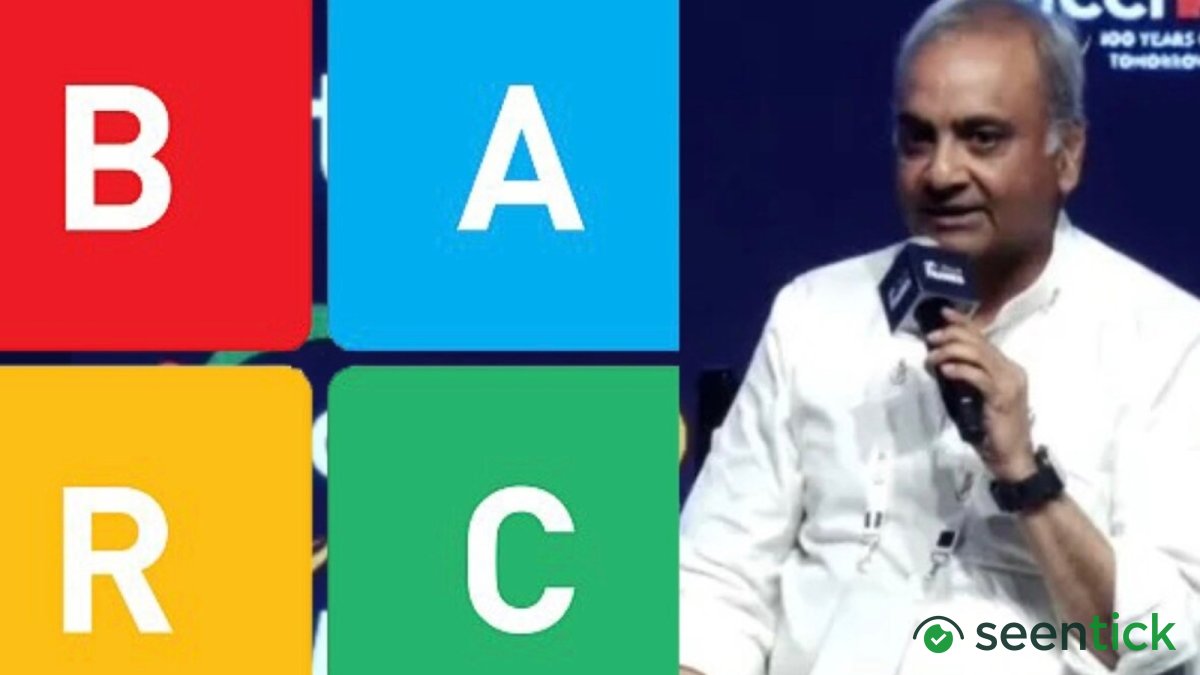
India to Consider Multiple TV Rating Currencies Amid Regulatory Process
Key Highlights
- Prasar Bharati CEO Gaurav Dwivedi says Ministry of Information and Broadcasting is examining future of television audience measurement in India.
- Multiple rating currencies possibility being considered.
- BARC unable to publish regular ratings amid regulatory process.
The Ministry of Information and Broadcasting is conducting an examination of the future of television audience measurement in India. According to Prasar Bharati CEO Gaurav Dwivedi. This initiative encompasses the possibility of adopting multiple rating currencies.
A move that has been influenced by the introduction of the Television Ratings Policy 2026.
Dwivedi made these remarks during a panel discussion at FICCI Frames in Mumbai. There, he discussed the current challenges faced by the broadcasting industry. He noted that media associations have presented their views to the government.
However, declined to comment on the expected timeline for the resumption of regular television ratings.
The suspension of television ratings has been attributed to the regulatory process surrounding the Television Ratings Policy 2026. This policy framework aims to register and regulate television rating agencies. With the ultimate goal of enhancing the accuracy and reliability of television viewership data.
The absence of television ratings has significant implications for broadcasters. Who rely on these metrics to assess programme performance and make informed decisions about media spending.
India's leading television viewership tracker, BARC, is stuck in limbo as it navigates a regulatory overhaul, leaving the industry in a state of uncertainty. The prolonged delay has sparked concerns over the future of television audience measurement. With many wondering when BARC will resume publishing its regular ratings and whether other players will soon enter the fray.
The Ministry of Information and Broadcasting is weighing a new approach to audience measurement. As it considers introducing multiple rating currencies to replace the suspended television ratings system. Following a three-month hiatus, reports from media associations and other organizations have been submitted to the government, providing a platform for industry stakeholders to present their perspectives.
The industry remains in limbo, awaiting word on when regular ratings will resume and whether other agencies will enter the fray.
Prasar Bharati CEO Gaurav Dwivedi did not give a timeline for the resumption of ratings or confirm whether the government would approve multiple rating agencies. His comments underscore the complexity of the regulatory process and the need for continued dialogue between the government, media associations, and industry stakeholders.
As the situation unfolds, it remains to be seen how the introduction of multiple rating currencies will impact the television audience measurement landscape in India.
The introduction of multiple rating currencies has significant implications for the broadcasting industry. With the potential to increase competition and improve the accuracy of television viewership data. However, the lack of clarity on the future of television audience measurement has left many industry stakeholders uncertain about the impact of this regulatory change.
Also Read: ₹52 Crore: The Vvaan Box Office Collection Day 7 Update
The suspension of television ratings has had a significant impact on the broadcasting industry. With many broadcasters struggling to adapt to the new landscape.
The absence of television ratings has also had a significant impact on the advertising industry. With many advertisers struggling to understand the value of their advertising spend.
The future of television audience measurement in India is uncertain. With the introduction of multiple rating currencies set to have a significant impact on the industry. The Ministry of Information and Broadcasting must balance the need for increased competition and improved accuracy with the need for clarity and consistency in the regulatory process.
One thing is certain, however: the broadcasting industry must adapt to this new landscape and find ways to make informed decisions about media spending in the absence of regular television ratings.
What's Your Reaction?
 Like
Like
 Dislike
 Love
1
Love
1
 Funny
Funny
 Wow
3
Wow
3
 Sad
Sad
 Angry
Angry

Movies, series, and everything happening around Indian entertainment keep me busy. I cover OTT releases, box-office conversations, celebrity news, and the changing world of streaming, with a particular interest in the stories and trends that audiences are talking about right now.













Comments (0)