
China is in mourning after the passing of former premier Zhu Rongji who led
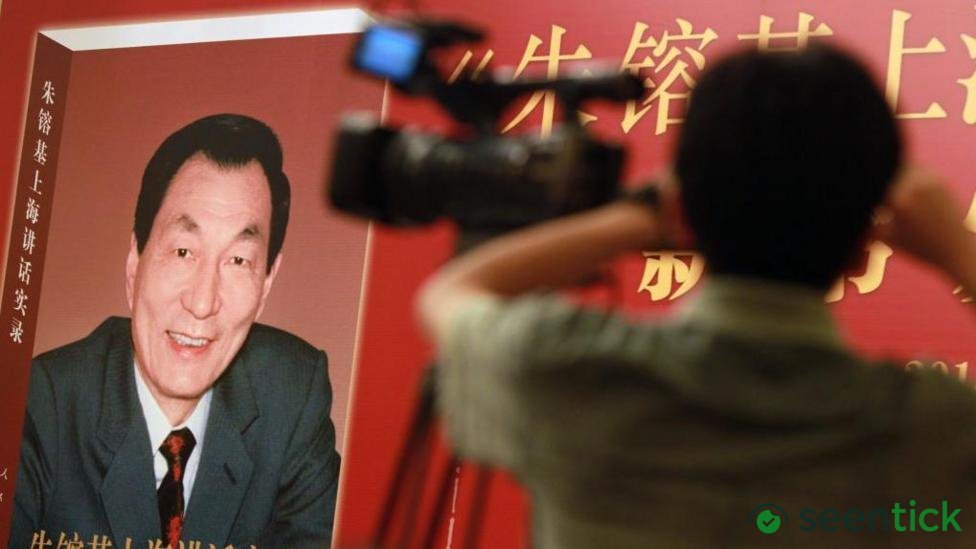
China is in mourning after the passing of former premier Zhu Rongji, who led the country through a series of key economic reforms from 1998 to 2003. The 97-year-old statesman died last week and was cremated at a private funeral in Beijing on Tuesday.
Zhu's legacy as one of China's most important economic reformers is being reflected upon


Xi was among the leaders who visited Zhu in hospital or sent condolences after his death, according to Chinese state media. Other notable figures who paid their respects include incumbent premier Li Qiang and ex-president Hu Jintao.
Zhu's funeral was held at Babaoshan Revolutionary Cemetery, an exclusive resting place for high-ranking officials and other prominent figures.
However, online discussions about Zhu have been largely censored, with posts containing his name being removed from WeChat. One essay that sparked controversy, in which the author reminisced about a time when people could express themselves freely without screens, was also deleted.
Read More: Ferraris first ever electric car sold for record $40m
The Chinese Communist Party has long been wary of public reaction to deaths of senior officials and public figures, as seen in the cases of former premier Zhou Enlai in 1976 and former CCP general secretary Hu Yaobang in 1989. Those events led to widespread outpourings of grief that sometimes morphed into protests.
The death of Zhu and former president Jiang Zemin, who died in 2022, has prompted a wave of nostalgia among many Chinese people for an era when the country seemed to be opening up to the world and allowing more freedom for its citizens. Zhu served alongside Jiang at the top of China's leadership from 1998 to 2003, leading the country through a period of rapid economic growth and entry into global trade.
During their time in office, Zhu and Jiang pushed through significant changes, including shuttering unprofitable state firms, dismantling the old housing system, and weathering the Asian financial crisis. They also joined the World Trade Organization in 2001, marking a significant shift towards globalization.
Zhu's return to power after Mao Zedong's death in 1976 was seen as a major milestone for his party, and he went on to become one of its most influential figures. His legacy continues to be felt in China today, with many people reflecting on the impact of his economic reforms on their lives.
What's Your Reaction?
 Like
0
Like
0
 Dislike
0
Dislike
0
 Love
0
Love
0
 Funny
0
Funny
0
 Wow
0
Wow
0
 Sad
0
Sad
0
 Angry
0
Angry
0

SeenTick is a digital news platform bringing you the latest and most important stories from India and around the world. Explore news and updates across politics, business, technology, AI, gaming, health, sports, entertainment, science and more.









Comments (0)