

Uganda's King Oyo Nyimba Kabamba Iguru Rukidi IV Buried Amid Calls for Unity Over Succession Row
Key Highlights
- Prince Edward Rukidi Kijanangoma, 56, was named as Tooro's new king despite Oyo's family rejecting him.
- Oyo's young son has been named as his successor in a will written in 2022.
- The Archbishop of the Church of Uganda, Stephen Kazimba Mugalu, urged unity and called for the matter to be resolved 'and to favour unity over division'.
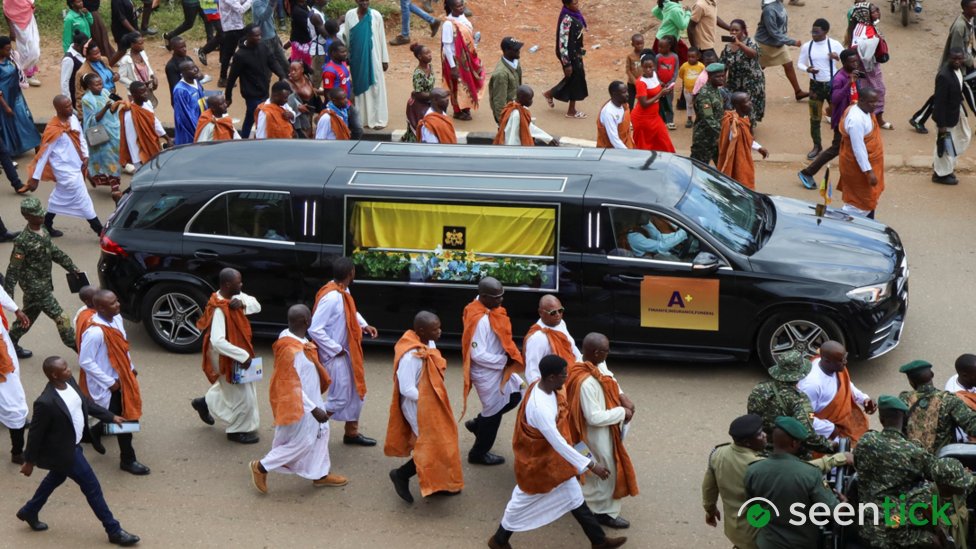
The final rites for King Oyo Nyimba Kabamba Iguru Rukidi IV have concluded in the western Ugandan city of Fort Portal, yet the solemnity of the burial stands in stark contrast to the deepening volatility surrounding the future of the Tooro Kingdom. Thousands of mourners lined the streets to pay their final respects as the casket of the 34-year-old monarch-who once held the distinction of being the world’s youngest reigning sovereign-was transported to the historic royal tombs.
King Oyo’s passing, which occurred last month while he was receiving cancer treatment in the United States, has triggered an unprecedented constitutional and cultural crisis within one of Uganda’s most prominent traditional institutions. The kingdom of Tooro, which was formally abolished in 1967 before being restored in the 1990s under the administration of President Yoweri Museveni, now faces a period of existential uncertainty as competing factions vie for the throne.
A Royal Rift and the Succession Struggle
The core of the current instability stems from a profound schism between the Babiito royal clan and the immediate household of the late king. Just days prior to the funeral, the Babiito royal clan officially declared Prince Edward Rukidi Kijanangoma, a 56-year-old popular television news presenter and cousin to the late King Oyo, as the successor to the throne.
This declaration was met with immediate, forceful rejection from King Oyo’s direct family, including his sister, Princess Ruth Komuntale. The Princess asserts that the late king proactively secured the lineage of the throne Because the identity of this child remains undisclosed, the procedural legality of the succession has become a matter of intense speculation and legal wrangling, threatening the stability of the kingdom’s internal governance.
Read More: Houthis claim major advance in Yemen and tighten grip on Red Sea shipping lane
The situation has been further inflamed She has publicly decried the recent atmosphere of intimidation surrounding the palace, reporting that traditional royal guards were abruptly withdrawn and replaced The Queen described these actions as effectively placing the royal family under "house arrest," limiting their freedom of movement and their ability to host visitors during the mourning period. The Omusuuga, Charles Karumasi, the head of the Babiito clan, has countered these allegations, maintaining that the clan’s selection process was conducted in strict accordance with the age-old customs and traditions of the Tooro people.
He called for public calm, urging stakeholders to "preserve peace and serenity" as the succession debate proceeds in the shadow of the late King’s burial.

Civic Implications and Calls for National Unity
The tension within the Tooro palace is being monitored closely com/india" title="SeenTick India News">central government and religious leaders, who fear that a protracted succession battle could erode the cultural authority of the kingdom. While traditional monarchs in Uganda now serve as cultural leaders rather than political heads of state, they remain significant figures in the country’s social fabric, acting as symbols of identity and community cohesion.
Also Read: CEO's Lavish Gifts to Ex-Girlfriend Cost Him $369,000
During the funeral, the Archbishop of the Church of Uganda, Stephen Kazimba Mugalu, issued a stern warning against the rhetoric of division, imploring the family to prioritize the legacy of the late King over internal factionalism. "Words spoken in grief can cause pain, division and conflict.
It can even destroy the legacy of the king we are mourning," the Archbishop told those in attendance.
President Yoweri Museveni, who has navigated a complex relationship with the country’s traditional rulers throughout his tenure, has similarly intervened with a call for reconciliation. His administration, which officially recognizes these monarchs, has expressed a desire for a swift, peaceful resolution that favors "unity over division" to prevent the dispute from spilling over into broader public unrest.
As the Kingdom of Tooro pivots from the mourning of their long-reigning monarch to the complexities of a disputed succession, the international community and domestic observers remain focused on whether the royal family can find common ground before the institutional structure of the kingdom is permanently fractured
Frequently Asked Questions
What's Your Reaction?
 Like
Like
 Dislike
1
Dislike
1
 Love
Love
 Funny
Funny
 Wow
Wow
 Sad
Sad
 Angry
4
Angry
4

I write about the forces shaping business and the global economy, from startup growth and changing markets to international trade and policy. My work focuses on breaking down complex developments into clear, practical insights and understanding what they could mean for businesses, investors, and the wider economy.











Comments (0)