

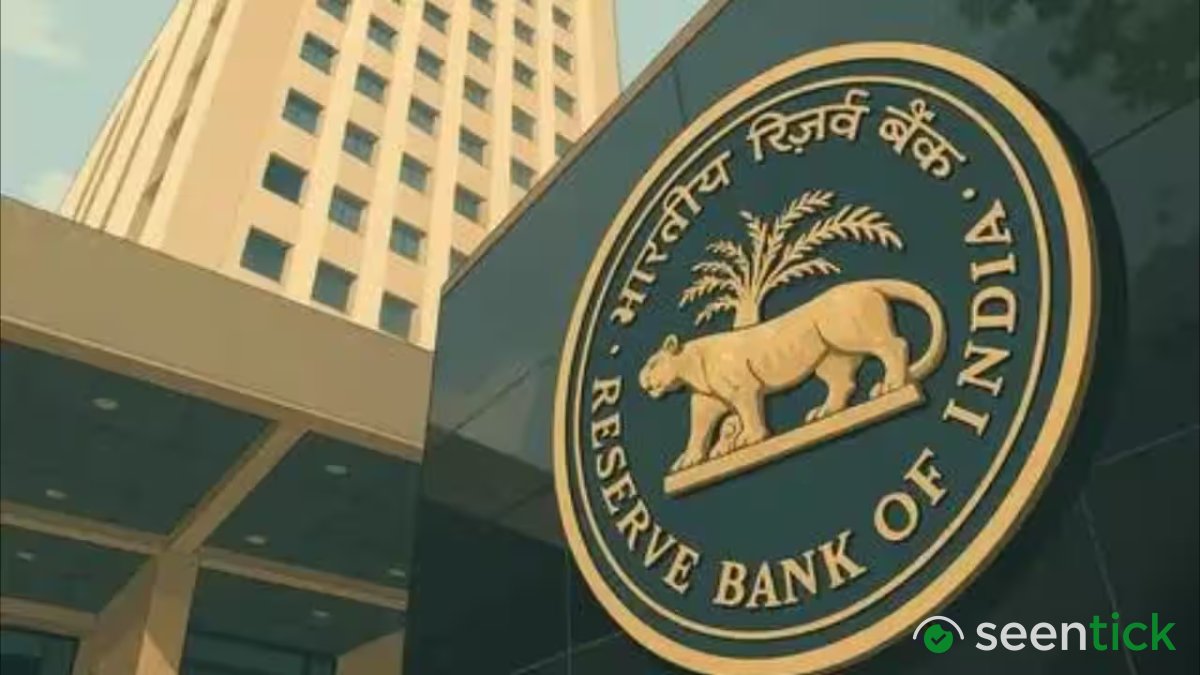
RBI Proposes New Framework to Temporarily Freeze Disputed Transaction Amounts, Not Entire Accounts
Key Highlights
- RBI proposes new framework
- calendar days for customers
- day window for law enforcement
Mumbai: The Reserve Bank of India (RBI) has proposed a new framework under which banks will temporarily freeze only the disputed transaction amount, rather than the entire account. At that time, unusual transfers of Rs 1,000 or more are flagged as potentially linked to mule accounts or cyber fraud.
Banks will be required to use AI-based transaction monitoring systems to identify transfers that are sudden. Disproportionate to a customer's declared profile or linked to known cyber-fraud networks. The draft directions are scheduled to take effect on April 1, 2027, although banks can adopt them earlier.
Background and Preceding Context
The RBI's proposed rules for suspected money-mule accounts will replace the drastic approach of freezing an entire account with a more targeted approach. The draft amendment directions, released for public comments, amend existing instructions on bank account operations and money mules under KYC Directions, 2025.
The new procedure would give customers 20 calendar days to establish the legitimacy of a transaction. Banks will then have 10 calendar days to assess the explanation and supporting evidence. If the account holder's explanation is satisfactory, the hold will have to be lifted immediately.
Rbi Has Stated That Framework
The RBI has stated that the framework follows Supreme Court's Aug 4. 2026, order directing it to prescribe and circulate an SOP for temporary debit holds on amounts or accounts linked to money-mule activity and cyber-enabled fraud.
Read More: Trump Signals Imminent Canada Trade Deal During Irish Visit
According to the RBI, the new procedure would help prevent cyber-fraud while minimizing inconvenience to customers. The onus then shifts to law enforcement, which would have 30 days from the referral to issue a formal statutory restraint order.
Key Background and Context
Mumbai: RBI has proposed a new framework under which banks will temporarily freeze only the disputed transaction amount, rather than the entire account. At that time, unusual transfers of Rs 1,000 or more are flagged as potentially linked to mule accounts or cyber fraud.Banks will be required to use AI-based transaction monitoring systems to identify transfers that are sudden, disproportionate to a customer's declared profile or linked to known cyber-fraud networks.The draft directions are scheduled to take effect on April 1, 2027, although banks can adopt them earlier.
According to RBI, the framework follows Supreme Court's Aug 4, 2026, order directing it to prescribe and circulate an SOP for temporary debit holds on amounts or accounts linked to money-mule activity and cyber-enabled fraud. RBI's proposed rules for suspected money-mule accounts will replace the drastic approach of freezing an entire account with a more targeted approach.The draft amendment directions.
Released for public comments, amend existing instructions on bank account operations and money mules under KYC Directions, 2025.The new procedure would give customers 20 calendar days to establish the legitimacy of a transaction Banks will then have 10 calendar days to assess the explanation and supporting evidence. If the account holder's explanation is satisfactory, the hold will have to be lifted immediately.
If the customer fails to respond within 20 days. Or the explanation does not dispel the suspicion of cyber fraud. The bank will have to hand the case to the jurisdictional police officers officers officers through NCRP/CFCFRMS portal.
It could not simply keep the funds frozen indefinitely.The onus then shifts to law enforcement. Which would have 30 days from the referral to issue a formal statutory restraint order. Mumbai: RBI has proposed a new framework under which banks will temporarily freeze only the disputed transaction amount, rather than the entire account.
At that time, unusual transfers of Rs 1,000 or more are flagged as potentially linked to mule accounts or cyber fraud.Banks will be required to use AI-based transaction monitoring systems to identify transfers that are sudden, disproportionate to a customer's declared profile or linked to known cyber-fraud networks.The draft directions are scheduled to take effect on April 1, 2027, although banks can adopt them earlier. According to RBI, the framework follows Supreme Court's Aug 4, 2026, order directing it to prescribe and circulate an SOP for temporary debit holds on amounts or accounts linked to money-mule activity and cyber-enabled fraud.
RBI's proposed rules for suspected money-mule accounts will replace the drastic approach of freezing an entire account with a more targeted approach.The draft amendment directions. Released for public comments, amend existing instructions on bank account operations and money mules under KYC Directions, 2025.The new procedure would give customers 20 calendar days to establish the legitimacy of a transaction Banks will then have 10 calendar days to assess the explanation and supporting evidence.
If the account holder's explanation is satisfactory, the hold will have to be lifted immediately. If the customer fails to respond within 20 days. Or the explanation does not dispel the suspicion of cyber fraud.
The bank will have to hand the case to the jurisdictional police officers officers officers through NCRP/CFCFRMS portal. It could not simply keep the funds frozen indefinitely.The onus then shifts to law enforcement. Which would have 30 days from the referral to issue a formal statutory restraint order.
Frequently Asked Questions
What's Your Reaction?
 Like
1
Like
1
 Dislike
 Love
Love
 Funny
Funny
 Wow
2
Wow
2
 Sad
Sad
 Angry
1
Angry
1

I write about the forces shaping business and the global economy, from startup growth and changing markets to international trade and policy. My work focuses on breaking down complex developments into clear, practical insights and understanding what they could mean for businesses, investors, and the wider economy.












Comments (0)