

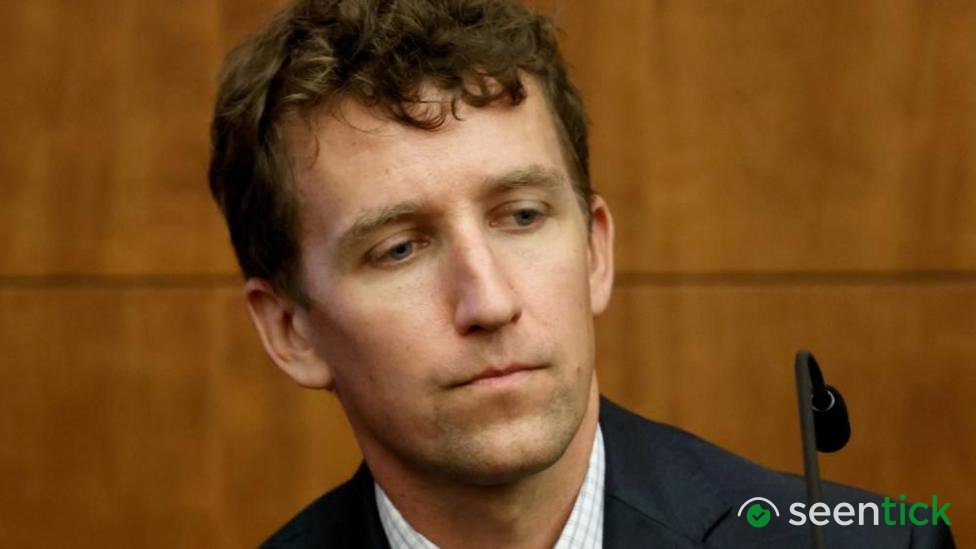
Ex-Husband Forgives Wife After She Strangled Their Children, Blames Mental Illness
Key Highlights
- Patrick Clancy forgives Lindsay Clancy for killing their children.
- Mental illness blamed for wife's actions in court case.
- Next steps unclear after mistrial declared.
Lindsay Clancy, a US mother convicted of murdering her three children, has sparked debate over the role of mental illness in her actions. Her ex-husband, Patrick Clancy, has spoken out about the emotional weight of his past and the challenges of forgiving someone who has committed such heinous crimes.
The months leading up to the tragedy saw Lindsay grappling with postpartum psychosis. A rare condition that can cause mania, depression, or a mixture of both. Her lawyers successfully argued that her severe mental illness should exempt her from legal accountability.
This led to a mistrial declaration in the case this month.
Read More: Yamanashi Prefecture Introduces Fee for Helicopter Rescues During Off-Season Climbing of Mount Fuji
Patrick Clancy recounted his personal experience with postpartum psychosis, shedding light on its profound effects on family dynamics. His account highlighted the crippling consequences of this condition, which can render even the most loving relationships unsustainable. Through his story, Clancy also revealed a path to healing: forgiveness.

The intense scrutiny prompted Patrick to move from Duxbury to New York City in a bid to seek anonymity. However, online hate and speculation surrounding the case have raised questions about the impact of social media on justice.
During the seven-week trial, he was singled out for wild vitriol and cover-up accusations, with some claiming he was to blame for the murders in some way.
Befrienders Worldwide, a mental health organization, has highlighted the need for greater support and resources for families affected by postpartum psychosis.
Also Read: Trump Imposes Visa Restrictions on South African Officials Over Alleged Anti-White Discrimination
The mistrial leaves the case unresolved, with prosecutors yet to confirm whether they will seek a retrial. The next court hearing is scheduled for 29 September at Plymouth Superior Court in Massachusetts.
As the case continues to unfold, it remains to be seen how the public and the justice system will respond to the complex issues surrounding mental illness, forgiveness, and online hate. In the meantime, Patrick Clancy's words offer a poignant reminder of the human cost of such tragedies.
The BBC has been covering the case extensively, highlighting the complexities of postpartum psychosis and its impact on families. The broadcaster has also explored the role of social media in shaping public opinion and influencing the justice system.
What's Your Reaction?
 Like
Like
 Dislike
1
Dislike
1
 Love
Love
 Funny
Funny
 Wow
Wow
 Sad
2
Sad
2
 Angry
1
Angry
1

I write about the forces shaping business and the global economy, from startup growth and changing markets to international trade and policy. My work focuses on breaking down complex developments into clear, practical insights and understanding what they could mean for businesses, investors, and the wider economy.













Comments (0)