

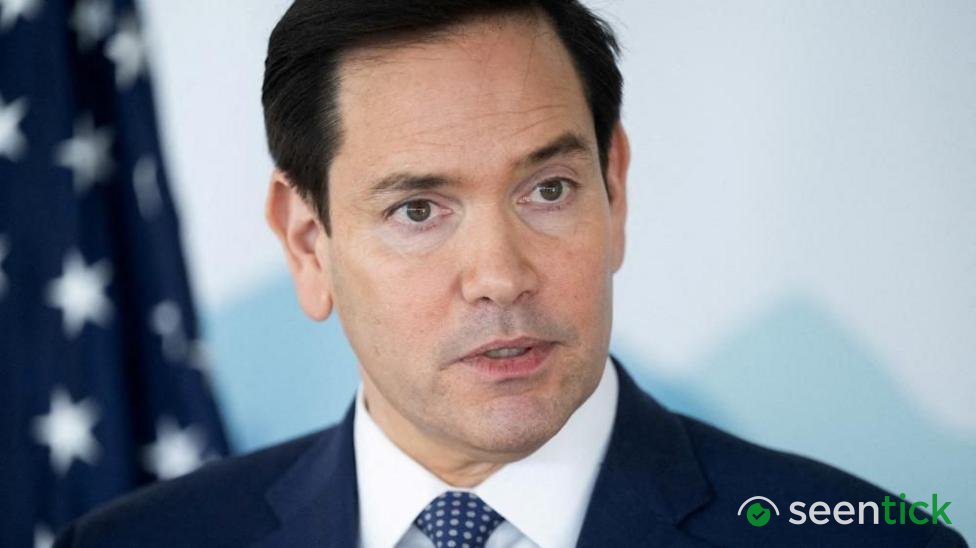
Trump Imposes Visa Restrictions on South African Officials Over Alleged Anti-White Discrimination
Key Highlights
- The US has imposed visa restrictions on South African officials accused of discriminating against the country's white minority.
- The move is seen as a response to concerns raised by the US government about alleged anti-white discrimination in South Africa.
- South African President Cyril Ramaphosa has struggled to respond to Trump's allegations and his government has been criticized for its handling of the situation.
The United States has announced visa restrictions targeting individuals it accuses of discriminating against South Africa's white minority. In a move that further escalates tensions between the two countries. The latest development comes as relations between Washington and Pretoria have been deteriorating since President Donald Trump returned to office early last year.
According to Secretary of State Marco Rubio, the visa restrictions will target those who promote "race-based discrimination, incite violence, or enable land confiscation without compensation in South Africa." The move is seen as a response to concerns raised by the US government about alleged anti-white discrimination in South Africa. However, South African officials have repeatedly denied these claims.
South Africa's President Cyril Ramaphosa has struggled to mend fences with Trump over allegations of a white genocide. Which the US president has made unsubstantiated claims about. The two countries have been on a downward spiral since Trump cut aid and expelled the South African ambassador last year.
In August, the US imposed 30% tariffs on South African goods, the highest rate in sub-Saharan Africa.
Read More: Russians seek answers over hundreds missing after Ukraine's 2024 incursion

Background: Allegations of White Genocide
The issue of alleged white genocide has been a contentious one between Trump and Ramaphosa. The US president claims that South Africans are persecuting white people and confiscating their land. However, these allegations have been widely discr In reality, South Africa's crime statistics show that more black people than white people fall victim to violent crime.
Trump offered refugee status to Afrikaners last year after Ramaphosa signed a law allowing the government to seize land without compensation in rare instances. However, this move was seen as an attempt to exploit racial tensions and further divide the two countries. The South African government has rejected these claims, saying that the new law does not permit arbitrary seizures.
Context: Land Reform and Apartheid
Land ownership remains a highly sensitive issue in South Africa, more than three decades after the end of apartheid. The country's black majority was dispossessed of land and denied many basic rights during this period. However, the new law allows for expropriation without compensation in certain circumstances, which has raised concerns about the potential for abuse.
Most private farmland is owned by white South Africans, who make up just over 7% of the population. The government says that land reform is necessary to address historical inequalities and ensure greater economic equality. However, this move has been seen as a threat to the interests of white farmers, who have long dominated the country's agricultural sector.
Also Read: Conservative Activist Charlie Kirk's Death Sparks Wave of Firing and Discipline Across
The US embassy in Pretoria warned that the new visa restrictions were just the beginning of tougher measures, adding: "This visa restriction policy is only the first step in a series of escalatory measures that will show America's firm resolve in this matter."
Ramaphosa Struggled Respond Trumps Allegations
Ramaphosa has struggled to respond to Trump's allegations, and his government has been criticized for its handling of the situation. The South African president has called for calm and urged Americans to refrain from making unsubstantiated claims about the country.
The US government has also faced criticism for its actions. With some arguing that the visa restrictions are an overreach of executive power. However, Rubio defended the move, saying that it was necessary to protect American interests and prevent what he described as "government-sponsored discrimination" against Afrikaners and other minorities.
As tensions between Washington and Pretoria continue to escalate, it remains to be seen how this latest development will play out. One thing is certain, however: the situation has become increasingly complex and sensitive, with both sides dug in over their competing narratives.
Frequently Asked Questions
What's Your Reaction?
 Like
Like
 Dislike
1
Dislike
1
 Love
Love
 Funny
Funny
 Wow
1
Wow
1
 Sad
1
Sad
1
 Angry
1
Angry
1

I write about the forces shaping business and the global economy, from startup growth and changing markets to international trade and policy. My work focuses on breaking down complex developments into clear, practical insights and understanding what they could mean for businesses, investors, and the wider economy.








Comments (0)