

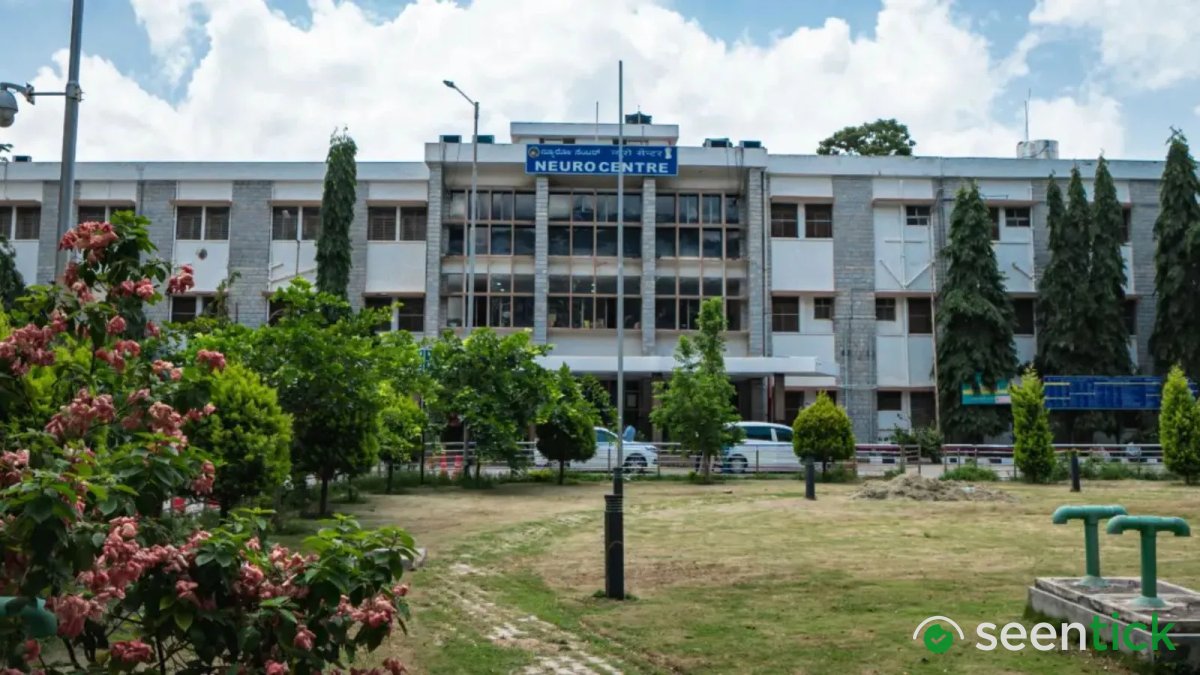
NIMHANS to be nodal body for BRICS Centres of Excellence
Key Highlights
- NIMHANS to be coordinating centre for BRICS Centres of Excellence.
- Declaration commits bloc to supporting network of training hubs and CoEs for mental health.
- BRICS Mission for Healthy Lifestyle launched to promote healthy lifestyles across countries.
Strategic Leadership in Global Mental Health
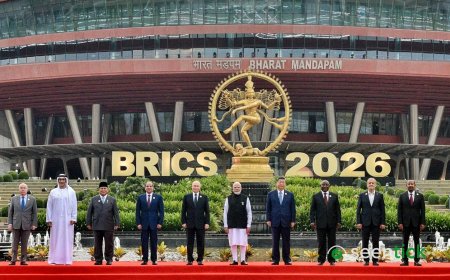
The formal designation of the National Institute of Mental Health and Neuro Sciences (NIMHANS) as the nodal agency for the newly proposed network of Centres of Excellence (CoEs) marks a transformative shift in how BRICS nations-Brazil, Russia, India, China, South Africa, and the recently integrated members-approach psychiatric and psychological care. This mandate, cemented during the 18th BRICS Summit via the New Delhi Declaration, positions India’s premier psychiatric institution at the vanguard of a cross-continental mission.
The Coordinating Centre will be tasked with orchestrating a multidisciplinary approach that spans research, capacity building, and policy formulation, effectively leveraging the intellectual capital of some of the world’s most populous nations to address the rising burden of mental disorders.
Read More: BRICS Nations Unveil New Delhi Declaration on Early Childhood Care and Education
Operational Framework and Collective Governance
The success of the BRICS mental health initiative rests upon a governance model defined The New Delhi Declaration stipulates that a specialized group of representatives from each member state will oversee the network, ensuring that decision-making remains balanced and culturally sensitive. This governance structure is specifically designed to facilitate the integration of mental well-being into primary healthcare systems, a long-standing challenge in many developing economies.
A cornerstone of this commitment is the pledge to address the psychosocial consequences of systemic crises, with an explicit emphasis on protecting vulnerable groups, including children and adolescents, through timely and accessible psycho-social (MHPSS) support systems that remain resilient in the face of environmental and socio-economic shocks.
Integrating Modern Science with Traditional Wisdom
Beyond clinical psychiatry, the BRICS health agenda is expanding to encompass a holistic view of human wellness, evidenced This initiative acknowledges that the rising tide of non-communicable diseases necessitates a shift toward preventive health measures. Central to this strategy is the formal integration of Traditional and Integrative Medicine (TCIM) into the broader healthcare discourse.
The establishment of the BRICS Expert Working Group on TCIM signifies a commitment to validating ancient medicinal practices-ranging from herbal preparations to therapeutic plant studies-through rigorous, evidence-informed research.
Civic Implications and Future Trajectory
The broader implications of this agreement extend far beyond institutional collaboration; they signal a civic paradigm shift where mental wellness is no longer treated as a peripheral concern, but as a central pillar of national development. The "Compendium of Best Practices on Promotion of Mental Wellness" serves as a roadmap for individual nations to implement localized strategies that have been stress-tested across the bloc.
As NIMHANS begins its tenure as the nodal body, the global health community will be watching closely to see how this trans-regional cooperation influences the sustainable development of primary healthcare, ultimately setting a new standard for international scientific and technical cooperation in the realm of public health and cognitive well-being.
Frequently Asked Questions
What's Your Reaction?
 Like
1
Like
1
 Dislike
 Love
Love
 Funny
Funny
 Wow
4
Wow
4
 Sad
Sad
 Angry
Angry
Tech journalist and AI enthusiast who enjoys keeping up with the latest in hardware, processors, emerging AI tools, and software. I like digging into new technology, understanding how things actually work, and following the developments that could shape the way we use technology in the future.










Comments (0)