

Ukraine faces 'toughest winter' since Russia's full-scale invasion, UN official Informs BBC
Key Highlights
- UN Official Warns of Risk of Humanitarian Catastrophe in Ukraine.
- Russia's Systematic Targeting of Ukraine's Energy Infrastructure Raises Concerns.
- UN Development Programme Works to Rebuild Ukraine's Energy System.
Ukraine is facing its "toughest winter" since Russia's full-scale invasion in 2022, a top United Nations official told the BBC. Alexander De Croo, head of the UN development agency, shared there was a risk of "humanitarian catastrophe" if Russian attacks cut off access to power and water.
Croo Who Also Uns Third
De Croo, who is also the UN's third most senior official, accused Russia of systematically targeting Ukraine's energy infrastructure. He shared there was now a "race against the clock" to repair the power network before winter sets in and temperatures plummet.
"This winter is going to be the toughest one since the war," De Croo said. "Ukraine started from a very weak base going into this winter." The UN official expressed concerns that if Russian attacks continue, it could lead to a "worst-case scenario" where people struggled to access energy to run heating, and water and sewage systems stopped working.

Croo Also Highlighted Impact Russias
De Croo also highlighted the impact of Russia's new jet-powered drones on Ukraine's air defences. The drones have been launched daily, making it difficult for Ukraine to defend itself against Russian attacks.
Read More: Trump shadow looms large over Brics as Modi hosts Putin and Xi in Delhi
Russia has started using faster, jet-powered drones that are harder to intercept in recent around-the-clock attacks on Ukraine. Many of the strikes have targeted Ukraine's infrastructure, including businesses, warehouses, factories, petrol stations, as well as energy infrastructure.
Ukraine continues to launch drone strikes deep into Russian territory, largely against gas, oil and business distribution facilities. Both countries deny targeting civilians.

Deadly attacks have resumed after US President Donald Trump sent envoys for talks in Moscow with Russian President Vladimir Putin and in Kyiv with Ukrainian President Volodymyr Zelensky last weekend. Five people were killed and 67 others were wounded in a daytime Russian drone strike on a shopping mall in Pavlohrad, a city in Dnipropetrovsk region.
Russia reported a Ukrainian seaborne drone attack on the resort city of Sochi overnight on Wednesday, in which 28 people were wounded, as well as three more deaths blamed on Ukrainian attacks. Two people were also killed earlier this week when Russian drones hit a border crossing between Ukraine and Moldova.
A full-scale war has been raging between Russia and Ukraine since Putin launched an invasion more than four and a half years ago. The conflict has resulted in significant human suffering, displacement of people, and destruction of infrastructure.
Also Read: Five Killed, 67 Injured in Russian Drone Strike on Ukrainian Shopping Centre
De Croo said there was no justification for Russia's "very systematic" targeting of Ukraine's civilian infrastructure. He added that the UN were "very, very worried... about what this winter could become."
"This is petrol stations, it's shopping malls, it's business centres, but it's especially energy infrastructure, energy transmission lines, and so on. There is absolutely no justification for that," De Croo said.
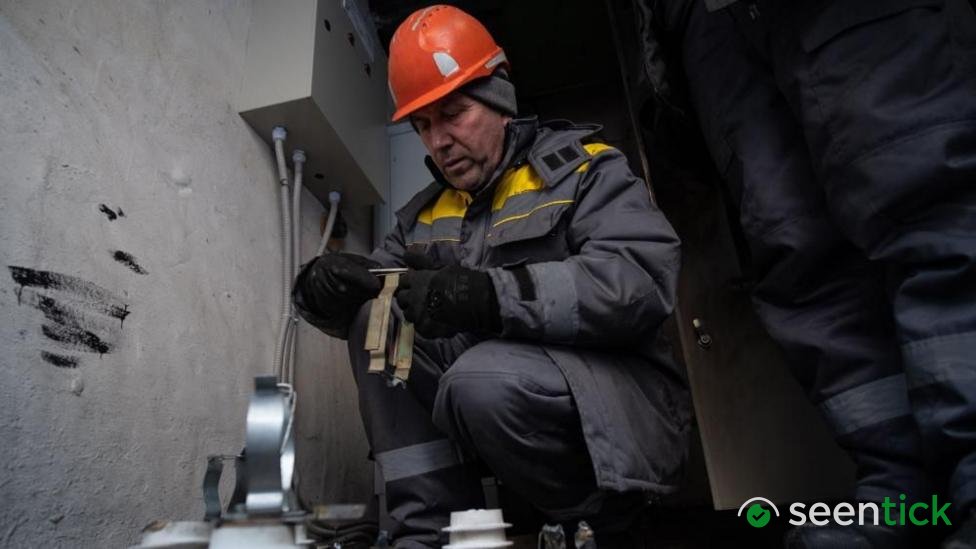
Under efforts to prepare Ukraine for winter, the UN Development Programme is helping to rebuild parts of its energy system that were damaged last winter. It is also establishing more sustainable and decentralised energy plants, which are less vulnerable to attack.
De Croo shared completing the difficult and dangerous work was "almost an impossible task". He added that the workers were reconstructing sites under constant air alarms and knew they were working at a site which was a target. As a result, part of their day could not be worked because it was just too dangerous.
"With the temperatures that you would get here that would lead to circumstances which would be really close to humanitarian catastrophe," De Croo said. Winter temperatures in Ukraine can drop to -20C. If power supplies and critical infrastructure were severely damaged, it could lead to "quite some human suffering", he added.
Frequently Asked Questions
What's Your Reaction?
 Like
3
Like
3
 Dislike
 Love
Love
 Funny
Funny
 Wow
1
Wow
1
 Sad
Sad
 Angry
Angry

I write about the forces shaping business and the global economy, from startup growth and changing markets to international trade and policy. My work focuses on breaking down complex developments into clear, practical insights and understanding what they could mean for businesses, investors, and the wider economy.











Comments (0)