

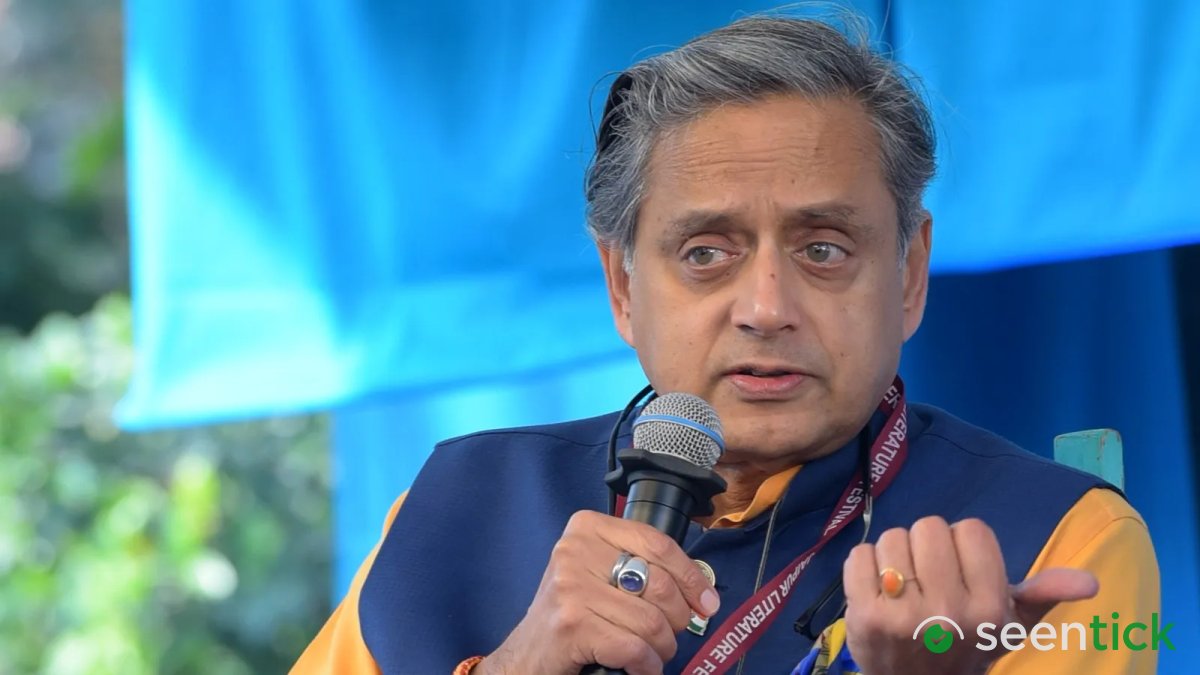
Shashi Tharoor: India Must Play Hardball with China
Key Highlights
- Tharoor emphasized India's priority must remain preservation of its national interest above collective multilateral goals.
- India has weaponised China's import dependencies to establish leverage in their bilateral talks.
- The Indian government might eventually need to prioritise energy security over Western trade access due to the sheer volume of India's energy demand.
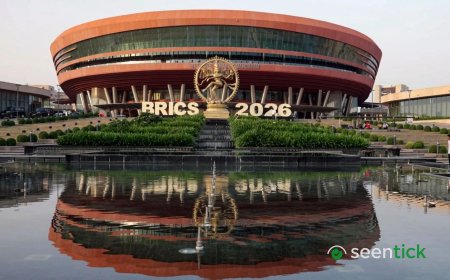
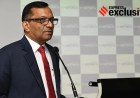
As India hosts the 18th BRICS Summit, Parliamentary Standing Committee on External Affairs chairman Shashi Tharoor outlined the core foreign policy challenges, strategic trade dilemmas, and high-stakes diplomatic tightropes facing New Delhi in an exclusive interview with The Indian Express's Neeta Sharma. While acknowledging the weight of hosting more than a dozen heads of state and government, Tharoor highlighted that India's priority must remain preservation of its national interest above collective multilateral goals.
"Separate bilateral realities from BRICS multilateralism" was his key message, emphasizing the need for India to maintain its sovereignty in the face of global pressures.
Tharoor Also Addressed Focus Bilateral
Tharoor also addressed the focus of the bilateral meeting between Prime Minister Narendra Modi and Chinese President Xi Jinping, with a particular emphasis on the ongoing friction along the Line of Actual Control (LAC). "Galwan was a completely unprovoked transgression," he stated, highlighting India's commitment to defending its territorial integrity.
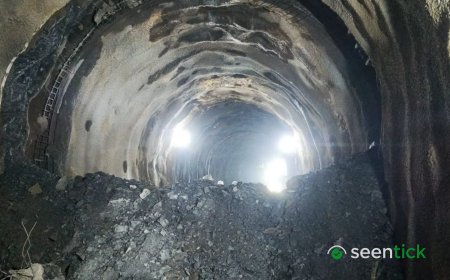
Beyond border standoffs, Tharoor pointed out China's ongoing economic pressure tactics, including the withholding of essential industrial inputs like rare earths, tunnel boring machines, and power substations.
Read More: PM Modi and Putin Meet Amid BRICS Summit, Discuss Oil Ties and Defence Deals
"India has every interest in using this platform to say: look, if you make a friendly gesture to us, we're ready to reciprocate," Tharoor noted. However, he also warned that if China were to play hardball with India, New Delhi would know how to respond accordingly.
"But if you're going to be playing hardball with us, we know how to play hardball back," he stressed, adding that bilateral conversations with Beijing must proceed solely on India's terms.
Tharoor Observed That While India
Tharoor observed that while India previously scaled back energy imports and participation in Iran's Chabahar project to honour American sanctions, applying the same formula to Russia is way more tough. This is because of the sheer volume of India's energy demand.
Sourcing crude oil from alternative producers like Venezuela or Guyana would drastically inflate transport costs, making it an unviable option.
"Sometimes it may be necessary for us to tell our Indian exporters, 'Sorry guys, we have to risk American sanctions and you may lose your market there; but we have made it easy for you to find markets elsewhere in the world. I'm afraid we cannot save you from America, because we cannot afford to lose our imports from Russia'," Tharoor suggested.
He added that India also sells refined petroleum products back to Russia, making energy cooperation a vital two-way trade stream that New Delhi cannot easily abandon.
Also Read: Gold Prices in India Plummet Amid Global Turmoil and Middle East Tensions
Tharoor recommended exploring bilateral local-currency arrangements, such as the Rupee-Ruble trade with Russia, as a way to mitigate the impact of Western sanctions. He acknowledged the importance of maintaining a strong relationship with Russia, particularly in the energy sector, and urged Washington to provide more time and breathing space for India to continue this cooperation.
Tharoor also addressed the absence of Bangladesh Prime Minister Tariq Rahman from the summit, who reportedly declined attendance over an apparent confusion regarding whether he was invited as Prime Minister or as BIMSTEC chairman. "Calling the explanation from Dhaka 'very odd' and a 'clutching-at-straws kind of argument'," Tharoor clarified that an invitation to the BIMSTEC chair inherently honours the Prime Minister of Bangladesh.
Regarding Pakistan's upcoming chairmanship of the SCO, Tharoor recommended maintaining engagement to safeguard Indian interests. Noting that other member states would likely prevent Islamabad from using the chair to derail the organisation's viability, he emphasized the need for India to remain vigilant in the face of potential threats to regional stability.
"India must veto any attempt to use the SCO as a platform to undermine our national interests," Tharoor stated firmly.
Frequently Asked Questions
What's Your Reaction?
 Like
4
Like
4
 Dislike
 Love
Love
 Funny
Funny
 Wow
2
Wow
2
 Sad
Sad
 Angry
Angry
Tech journalist and AI enthusiast who enjoys keeping up with the latest in hardware, processors, emerging AI tools, and software. I like digging into new technology, understanding how things actually work, and following the developments that could shape the way we use technology in the future.








Comments (0)