

‘No jurisdiction’: India rejects international court’s order
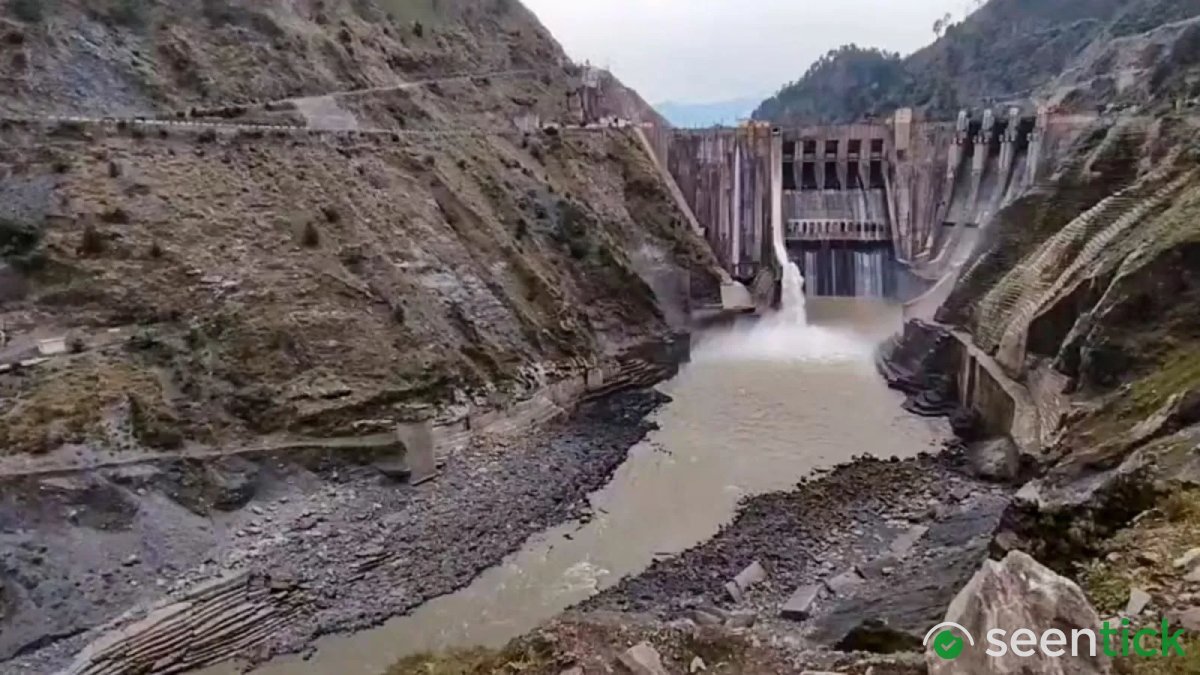
‘No jurisdiction’: India rejects international court’s order
- India on Friday rejected the Hague-based Court of Arbitration’s decision on the “abeyance” of the Indus Waters Treaty and said that the court has “no jurisdiction whatsoever to pronounce on India’s sovereign decisions”.
- “The Court found that none of these grounds could justify suspension or termination of the Treaty.
- This so-called Court was constituted ” “India has never recognised the existence in law of this illegally-constituted and so-called Court of Arbitration, and has consistently maintained that the very establishment of this alleged arbitral body constitutes a grave violation of the Indus Waters Treaty.
India on Friday rejected the Hague-based Court of Arbitration’s decision on the “abeyance” of the Indus Waters Treaty and said that the court has “no jurisdiction whatsoever to pronounce on India’s sovereign decisions”. The Court of Arbitration concluded that India’s decision on “abeyance” of the Treaty was not permissible under the Treaty or other applicable rules of international law.
“The Court found that none of these grounds could justify suspension or termination of the Treaty. Accordingly, the Indus Waters Treaty remains fully in force, and India must observe its obligations under the Treaty, including those relating to the design and operation of its hydro-electric projects on the Western Rivers,” the court said.
Responding to the court decision, the Ministry of External Affairs said on Monday: “Today, the illegally constituted so-called Court of Arbitration (CoA) has issued what it termed as an award concerning Interim Measures and Status of the Indus Waters Treaty.
This so-called Court was constituted ” “India has never recognised the existence in law of this illegally-constituted and so-called Court of Arbitration, and has consistently maintained that the very establishment of this alleged arbitral body constitutes a grave violation of the Indus Waters Treaty. Accordingly, India has never appeared before this body and has refused to take any cognisance of its earlier pronouncements,” the MEA said.
Read More: Sri Lanka beckons, but for refugees in Tamil Nadu, a long road to ‘homecoming’
What was Pakistan’s case? It said that “this so-called Court of Arbitration has no jurisdiction whatsoever to pronounce on India’s sovereign decisions.
Its pronouncements, now or in the future, will have no effect on India’s actions in connection with the projects being undertaken More than a year ago, after the Pahalgam terrorist attack in April, India decided to put the Indus Waters Treaty “in abeyance”.
The decision flows directly from the Cabinet Committee on Security (CCS) decision of 23 April 2025, which states that “the Indus Waters Treaty of 1960 will be held in abeyance with immediate effect, until Pakistan credibly and irrevocably abjures its support for cross-border terrorism”. MEA had earlier said that the CoA’s proceedings are “illegal and per se void, and any proceedings, awards or decisions issued India on Friday rejected the Hague-based Court of Arbitration’s decision on the “abeyance” of the Indus Waters Treaty and said that the court has “no jurisdiction whatsoever to pronounce on India’s sovereign decisions”.
The Court of Arbitration concluded that India’s decision on “abeyance” of the Treaty was not permissible under the Treaty or other applicable rules of international law. “The Court found that none of these grounds could justify suspension or termination of the Treaty.
Accordingly, the Indus Waters Treaty remains fully in force, and India must observe its obligations under the Treaty, including those relating to the design and operation of its hydro-electric projects on the Western Rivers,” the court said.
Also Read: Rahul Gandhi Booked in Haldwani: SC/ST Act FIR Filed Amid 'Purification' Row
Responding to the court decision, the Ministry of External Affairs said on Monday: “Today, the illegally constituted so-called Court of Arbitration (CoA) has issued what it termed as an award concerning Interim Measures and Status of the Indus Waters Treaty. This so-called Court was constituted ” “India has never recognised the existence in law of this illegally-constituted and so-called Court of Arbitration, and has consistently maintained that the very establishment of this alleged arbitral body constitutes a grave violation of the Indus Waters Treaty.
Accordingly, India has never appeared before this body and has refused to take any cognisance of its earlier pronouncements,” the MEA shared. What was Pakistan’s case? It shared that “this so-called Court of Arbitration has no jurisdiction whatsoever to pronounce on India’s sovereign decisions.
Its pronouncements, now or in the future, will have no effect on India’s actions in connection with the projects being undertaken More than a year ago, after the Pahalgam terrorist attack in April, India decided to put the Indus Waters Treaty “in abeyance”. The decision flows directly from the Cabinet Committee on Security (CCS) decision of 23 April 2025, which states that “the Indus Waters Treaty of 1960 will be held in abeyance with immediate effect, until Pakistan credibly and irrevocably abjures its support for cross-border terrorism”.
MEA had earlier shared that the CoA’s proceedings are “illegal and per se void, and any proceedings, awards or decisions released
What's Your Reaction?
 Like
Like
 Dislike
 Love
Love
 Funny
Funny
 Wow
1
Wow
1
 Sad
Sad
 Angry
2
Angry
2

Tech journalist and AI enthusiast who enjoys keeping up with the latest in hardware, processors, emerging AI tools, and software. I like digging into new technology, understanding how things actually work, and following the developments that could shape the way we use technology in the future.












Comments (0)