

Dolly Parton: The Iconic Singer Who Changed the Rules for Women in Music
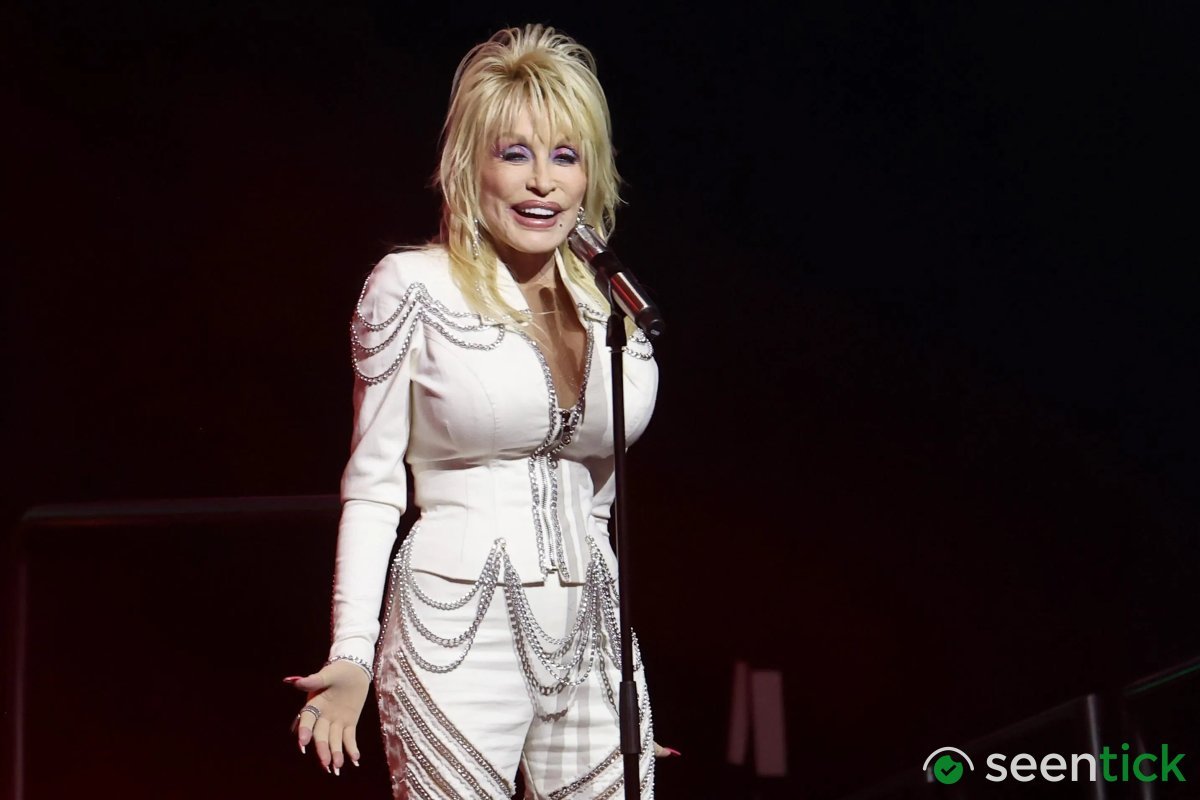
Dolly Parton: The Iconic Singer Who Changed the Rules for Women in Music
Key Highlights
- Dolly Parton's impact on women in music
- Her unique storytelling ability
- Business savvy and entrepreneurial spirit
Few artists made an identity as unmistakable as Dolly Parton’s. The voice, the hair, the rhinestones, the dresses, the humor-each piece remains instantly hers. But beneath the sparkle was a career built on something far more enduring: an extraordinary gift for storytelling, an instinct for business and an unwavering sense of who she was.
Dolly was never simply a country singer. She became a songwriter, actress, entrepreneur, philanthropist and cultural icon, building an empire around her music while never seeming to leave the girl from Tennessee behind.
Long before “personal branding” became part of the entertainment vernacular, Dolly understood that an artist could own not only the music, but the story and the image surrounding it.
And perhaps that is where her most lasting legacy lives-not only in the songs she wrote, but in the women who have followed her and found new ways to make that same kind of power their own. Dolly’s music has always carried the texture of a life lived close to the ground.
She wrote about poverty, family, faith, work, desire, loneliness and heartbreak, but rarely with the distance of someone looking back from a pedestal.
Even after she became one of the most famous women in the world, there was an intimacy to her writing that made the listener feel as though she were sitting across the room, telling them a story. “Coat of Many Colors” transforms a childhood marked “Jolene” captures the terror of watching the person you love become vulnerable to another woman.
“9 to 5” gave working women an anthem for the frustrations of the everyday grind.
And “I Will Always Love You,” first written and recorded
Her songs have traveled because the feelings inside them still do. Dolly understood that the most personal stories could become the most universal. The coat stitched from scraps, the woman fighting her way through the workday, the lover pleading with another woman to let her man go-each is deeply specific, yet instantly recognizable.
Read More: Leading Change Wins Travers Stakes with Dramatic Comeback
Her women could be vulnerable without being diminished That emotional intelligence has allowed her music to move effortlessly across generations and genres. But the songs were only part of the story. It is difficult to separate Dolly Parton from the image she created-and that is precisely the point.
Even Dolly’s signature look had a story behind it. She famously drew inspiration from a local woman she remembered from her childhood-a “town tramp” whose glamorous appearance fascinated her. Dolly admired the woman’s boldness and femininity, later joking that she wanted to look “cheap” and fabulous in much the same way.
Dolly understood that an artist could be visually unforgettable without allowing the image to overshadow the substance. She turned her appearance into another form of storytelling, built on glamour, humor and self-awareness. For all the jokes about the hair and heels, there was always a remarkably sharp business mind underneath.
Dolly didn’t simply become a celebrity; she created a world around herself. Long before musicians could speak directly to millions of fans through social media, Parton understood that audiences connected not only to music, but to personality, story and mythology. And at the center of that world was always home.
Perhaps nowhere is that more evident than Dollywood. Nestled in the foothills of Tennessee’s Great Smoky Mountains, the theme park is one of the most tangible expressions of Parton’s relationship with the place where she grew up. Rather than leave that world behind, Dolly turned toward it.
Dollywood celebrates Appalachian music, food, crafts, traditions and storytelling while standing as a major entertainment destination in its own right. It is a business, certainly, but also a love letter to the culture that shaped her. That same spirit runs through her philanthropy.
Through the Dolly Parton’s Imagination Library, she has helped put books into the hands of millions of children, while her charitable efforts have supported education, literacy and communities in need. Whether she is building a theme park in the Smoky Mountains or putting a book in a child’s hands, Dolly has always found ways to turn her success outward.
That legacy is not simply something being remembered.
It is still finding its way into new music. As one recent example, Peter Munzo, a recording engineer who worked on the children’s choir for Jada Star’s “Sing for the Common Man,” featuring Parton, reflected on the experience:
“When I engineered at The Record Shop in La Vergne, I had no idea I was contributing to a record featuring Dolly Parton. The song came out on January 9, 2026, and hearing everything together made me realize how special that session was,” Munzo continued.
Also Read: India's rice bowl gets global audience as 3,317 buyers sign up for BIRC 2026
“Dolly helped define country music through honest storytelling and changed what was possible for women in the industry, all while staying completely herself and reaching far beyond the genre through her charity work, including the Dollywood Foundation, the Imagination Library and so much more.”
That instinct-to build something lasting, stay rooted in where you came from and use your platform to create opportunities for others-has become part of the legacy she leaves behind. And in music today, different generations of women are carrying different pieces of that legacy forward. Miley Cyrus carries another, more direct piece of the Parton legacy.
As Parton’s goddaughter, Cyrus grew up with Dolly not simply as an icon, but as part of her personal world. Yet her career has never been an exercise in following Dolly’s path. Instead, she has forged her own route through pop, country and rock, repeatedly reinventing herself along the way.
There is something distinctly Dolly in that refusal to be confined. Parton herself has spent a lifetime moving between genres and audiences without allowing any one category to define her. Cyrus has inherited that same sense of creative freedom: the understanding that reinvention does not mean abandoning who you were.
Sometimes it means discovering another part of yourself. Their relationship also offers something increasingly rare in pop culture: a visible connection between generations of women, where influence is not about replacing the woman who came before, but carrying something forward. Taylor Swift represents perhaps the clearest modern parallel in the art of turning a personal story into a cultural universe.
Like Parton, Swift has built a career around songwriting that makes the intimate feel enormous. Diaries become albums; heartbreak becomes mythology; personal details become shared cultural touchstones. But Swift has also embraced the business of being an artist with unusual force, demonstrating the importance of ownership, control and long-term career strategy.
But the instinct is familiar: tell your own story, control the narrative and make the audience feel that they are part of it. Dolly showed that a woman could turn her life into art without surrendering ownership of the story. Swift has taken that idea into a new era of pop.
Frequently Asked Questions
What's Your Reaction?
 Like
Like
 Dislike
 Love
2
Love
2
 Funny
Funny
 Wow
Wow
 Sad
Sad
 Angry
1
Angry
1

I write about the forces shaping business and the global economy, from startup growth and changing markets to international trade and policy. My work focuses on breaking down complex developments into clear, practical insights and understanding what they could mean for businesses, investors, and the wider economy.















Comments (0)