

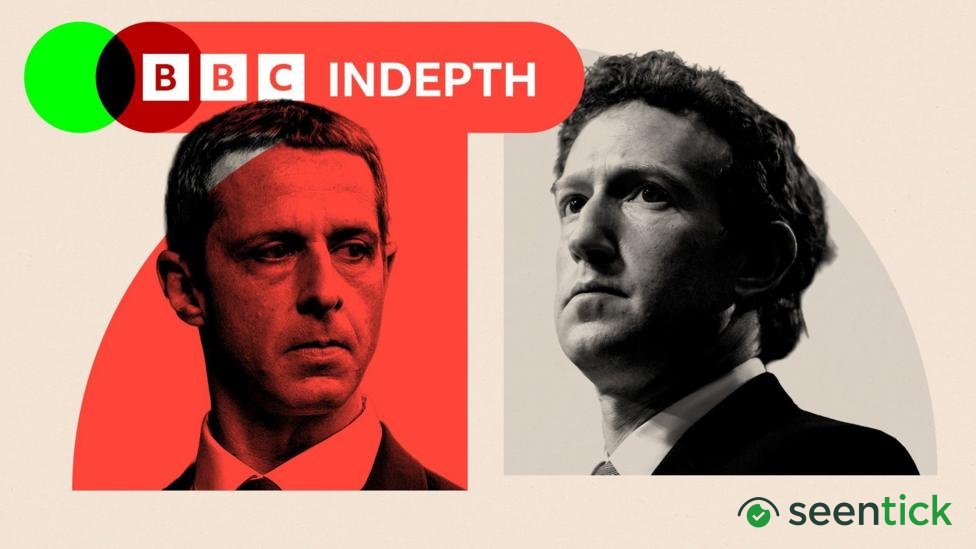
Meta's AI Push: Can Zuckerberg's 'Muse' Win Back Trust
Key Highlights
- Meta's new AI personal assistant app, Muse, has gained over five million downloads and three million weekly active users.
- Muse works best when users hand over personal information, including credit card information and access to email inboxes.
- Meta has taken on $83.7bn in long-term debt, according to its most recent financial statement.
- The company's focus on AI depends partly on rebuilding public trust.
Mark Zuckerberg's keynote speech at Meta Connect last month marked a significant turning point in the company's efforts to restore its reputation. The company's emphasis on AI is likely to play a important step in this endeavor.
Despite recent challenges, Meta's AI products have seen a surge in adoption. The company'It's new AI personal assistant app, Muse, has already gained significant traction, surpassing the adoption of ChatGPT in its initial launch. Muse functions best when users share certain personal details with the company.
This includes credit card information, purchase histories, and access to email inboxes.
Read More: G7 Agrees to Release 100 Million Barrels of Oil and Diesel to Ease Supply Pressures
Meta is investing heavily in its smart glasses, a move that has sparked debate and raised concerns about user privacy. The company has taken steps to limit user tampering with the glasses' photo and video capture functionality.

Zuckerberg has also announced new audio-only smart glasses, a bid to alleviate concerns about user data privacy.
Meta's focus on AI is partly driven by a desire to rebuild public trust. The company has incurred significant debt, with $83.7 billion in long-term debt reported in its most recent financial statement.
Also Read: US Deportations to Africa Unlawful, Rights Group
Meta executives remain optimistic about the company's pivot to AI. Citing the potential for AI-powered assistants to provide users with valuable support and guidance.

Meta's reputation on privacy has been impacted by several high-profile incidents, including the Cambridge Analytica scandal, which occurred over a decade ago. The company's early days, including its launch in 2004, have also been subject to scrutiny.
The company's future success will depend on its ability to regain user trust. While some tech industry leaders are expressing concerns about the potential risks of AI, the success of Muse and Meta's AI push may ultimately determine the company's trajectory.
What's Your Reaction?
 Like
5
Like
5
 Dislike
 Love
Love
 Funny
Funny
 Wow
1
Wow
1
 Sad
Sad
 Angry
Angry

I write about the forces shaping business and the global economy, from startup growth and changing markets to international trade and policy. My work focuses on breaking down complex developments into clear, practical insights and understanding what they could mean for businesses, investors, and the wider economy.













Comments (0)