
India Rejects UN Report on Human Rights Violations Against Marginalized Communities
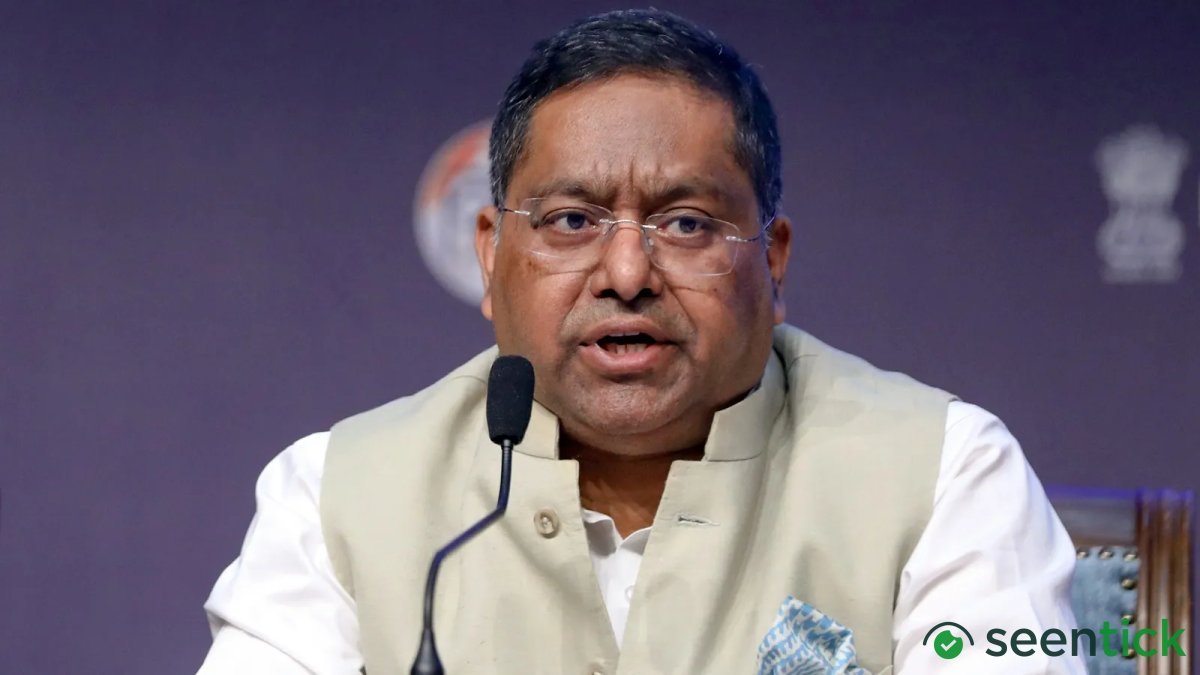
- The United Nations Committee on the Elimination of Racial Discrimination (UNCERD) had raised concerns about violations against marginal
- The Ministry of External Affairs official spokesperson Randhir Jaiswal stated that India rejects 'any politically motivated highly mali
- The UN human rights panel had also sharply criticised the implementation of India's National Register of Citizens (NRC) in Assam, and r
The United Nations Committee on the Elimination of Racial Discrimination (UNCERD) had raised concerns about violations against marginalized communities in India, and urged New Delhi to protect them from alleged abuse, torture, extrajudicial killings, and stripping of citizenship.
The Ministry of External Affairs official spokesperson Randhir Jaiswal stated that India rejects 'any politically motivated highly malicious references' in the report, calling it with 'all the contempt that it deserves'. India's commitment to combating racial discrimination 'remains unwavering', he added. For related coverage, explore our detailed analysis on Technology and Digital Systems.


India's Response
The UN human rights panel had also sharply criticised the implementation of India's National Register of Citizens (NRC) in Assam, and raised concerns about the subjecting of Bengali-speaking Muslims to 'systematic and structural racial discrimination'.
The NRC implementation was leading to mass arbitrary deprivation of citizenship, it stated, while expressing concerns about Bengali-speaking Muslims being categorised as 'non-original inhabitants'. It had called for India to suspend the NRC and review its legislative framework.
The Election Commission of India's SIR process was also called out in the report, with the committee raising concern that Bengali-speaking Muslim voters were reportedly disproportionately impacted in West Bengal and Assam.
UNCERD Report
India's response to the report has been met with criticism from some human rights groups, who argue that the government's actions are perpetuating systemic racism and discrimination against marginalized communities.
It had called for India to suspend the NRC and review its legislative framework.
Read More: India Approves Technology Transfer for Conventional Missile Systems
The Election Commission of India’s Special Intensive Revision (SIR) process was also called out in the report, with the committee raising concern that Bengali-speaking Muslim voters were reportedly disproportionately impacted in West Bengal and Assam.
India on Wednesday rejected a report The UN Committee on the Elimination of Racial Discrimination (UNCERD) flagged concerns on Tuesday over human rights violations against people belonging to scheduled tribes, scheduled castes and Rohingya refugees. It also called for action against those involved in “hate crime” in India.
The Ministry of External Affairs (MEA) official spokesperson Randhir Jaiswal stated India rejects “any politically motivated highly malicious references in the report with all the contempt that it deserves”. He stated India's commitment to combating racial discrimination “remains unwavering”. “During the review, we highlighted India's constitutional safeguards, robust legal framework, pluralism and sustained efforts to protect disadvantaged communities,” he stated.
“While we will respond to the committee's observations through the established procedure, the inter-ministerial delegation, which was led The United Nations (UN) human rights panel had raised concerns about violations against marginalised communities in India, and urged New Delhi to protect them from alleged abuse, torture, extrajudicial killings, and stripping of citizenship. It also sharply criticised the implementation of the National Register of Citizens (NRC) in Assam, and raised concerns about the subjecting of Bengali-speaking Muslims to “systematic and structural racial discrimination”.
The NRC implementation was leading to mass arbitrary deprivation of citizenship, it stated, while expressing concerns about Bengali-speaking Muslims being categorised as “non-original inhabitants”. It had called for India to suspend the NRC and review its legislative framework.
The Election Commission of India’s Special Intensive Revision (SIR) process was also called out in the report, with the committee raising concern that Bengali-speaking Muslim voters were reportedly disproportionately impacted in West Bengal and Assam.
Frequently Asked Questions
What's Your Reaction?
 Like
0
Like
0
 Dislike
1
Dislike
1
 Love
0
Love
0
 Funny
0
Funny
0
 Wow
0
Wow
0
 Sad
0
Sad
0
 Angry
2
Angry
2

Tech journalist and AI enthusiast who enjoys keeping up with the latest in hardware, processors, emerging AI tools, and software. I like digging into new technology, understanding how things actually work, and following the developments that could shape the way we use technology in the future.













Comments (0)