
Meta to Roll Out Changes to Reduce Social Media Addiction in Younger Users
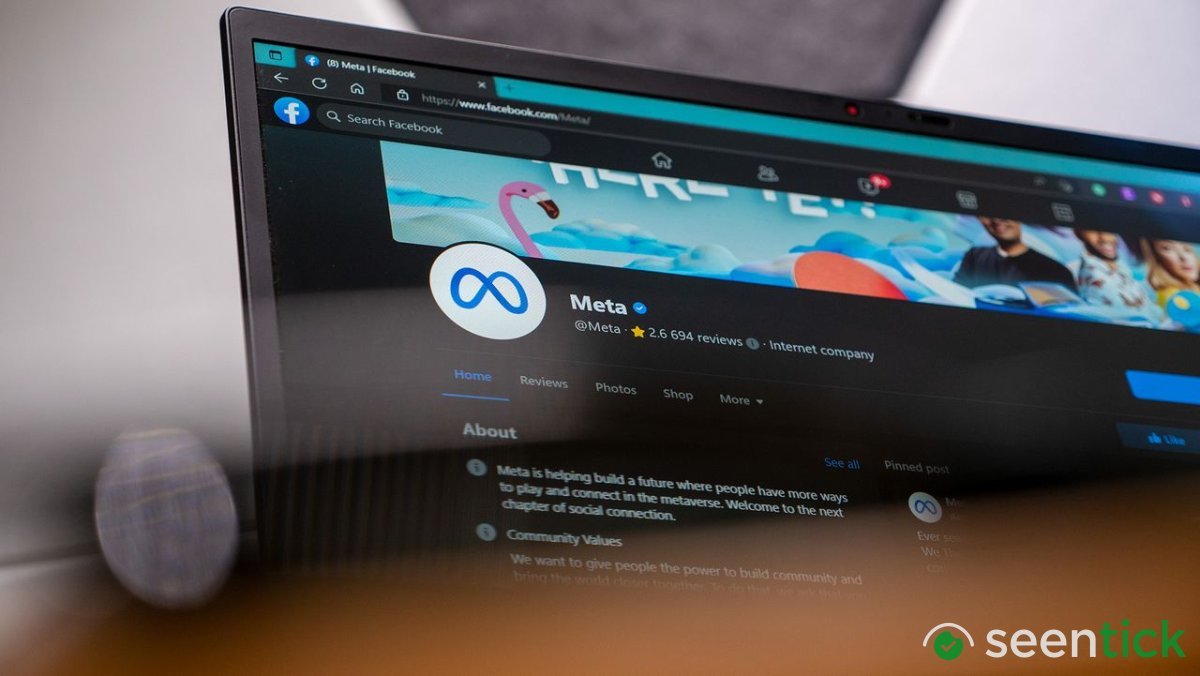
- Following a major settlement, Meta will need to make sweeping changes to how its platforms interact with younger audiences.
- Meta disagreed with the alleges, as it's done in the recent settlement involving 29 states. For related coverage, explore our detailed
- The company also leaned on K.G.M.'s therapists to say that none of these claims were "the cause" of her mental health issues.
Following a major settlement, Meta will need to make sweeping changes to how its platforms interact with younger audiences.
Meta disagreed with the alleges, as it's done in the recent settlement involving 29 states. For related coverage, explore our detailed analysis on Technology and Digital Systems.


Metas Billion Settlement Details and Timeline
The company also leaned on K.G.M.'s therapists to say that none of these claims were "the cause" of her mental health issues.
What you need to know Meta has reportedly reached a $16 billion settlement with 29 states involving alleges that its social media platforms "harmed young users." Not only have Facebook and Instagram reportedly "fueled" a nationwide mental health crisis, but the addictive nature does not help. Following the settlement, Meta will need to roll out changes to its platforms to reduce the addictive nature for younger users with usage limits and more.
Lawsuits have been filed against Meta in several states over the past few months over how its social media platform addict children. Another has been settled, pushing Meta to shell out over $16 billion. A major settlement such as this isn't the only thing Meta is forced to do.
Following coverage reuters.com/world/us/meta-settles-with-us-states-over-social-media-harms-2026-08-26/">Reuters , Meta will also need to make sweeping changes to how younger audiences interact with its platforms. For context, this $16.68 billion settlement involved alleges from 29 states.
Each state asserted that Meta's social media platforms (Facebook and Instagram) "harmed young users." Specifically, these platforms reportedly "fueled a nationwide youth mental health crisis." Meta has continued to disagree with these allegations. Regardless, to reduce the "addictive nature" of its platforms for younger users, Meta will restrict nighttime use of Facebook and Instagram.
Read More: My favorite writing tablet just scored a rare discount at Best Buy — but it won't last long
Meta will also beef up its defenses to keep kids away from "age-restricted" content, while introducing a new daily usage limit. The addictive or potentially mentally harmful sides of social media were the highlights behind these alleges. However, Reuters mentions another side of these alleges that also makes up this $16 billion settlement: child privacy.
According to the post, the 29 states claim Meta "violated the federal Children's Online Privacy Protection Act" What's more, Meta allegedly used this data to train its AI systems. It should only be a matter of time before we see the result of this settlement hit Facebook and Instagram for youth accounts.
A prevoius case (Image credit: Alex Dobie / Android Central) This has been a long-standing issue for Meta over the past few months. In March, we highlighted CNBC's coverage of a Los Angeles case involving YouTube and Meta's " negligence ." The trial concerned Kaley (otherwise known as K.G.M.), a young woman who stated she had become "addicted" to social media as a child.
According to K.G.M., this addiction led to severe mental health issues as she got older. K.G.M. is now 20 years old.
In their argument, K.G.M. stated the "infinite scrolling" aspect of social media is where the addiction begins. Additionally, the case in Los Angeles highlighted the influx of notifications one would receive from these platforms, which didn't help.
Meta disagreed with the alleges, as it's done in the recent settlement involving 29 states. The company also leaned on K.G.M.'s therapists to say that none of these alleges were "the cause" of her mental health issues.
Metas Billion Settlement Next Steps and Impact
Frequently Asked Questions
What's Your Reaction?
 Like
0
Like
0
 Dislike
1
Dislike
1
 Love
0
Love
0
 Funny
0
Funny
0
 Wow
0
Wow
0
 Sad
0
Sad
0
 Angry
2
Angry
2

Tech journalist and AI enthusiast who enjoys keeping up with the latest in hardware, processors, emerging AI tools, and software. I like digging into new technology, understanding how things actually work, and following the developments that could shape the way we use technology in the future.















Comments (0)