
India Approves Technology Transfer for Conventional Missile Systems
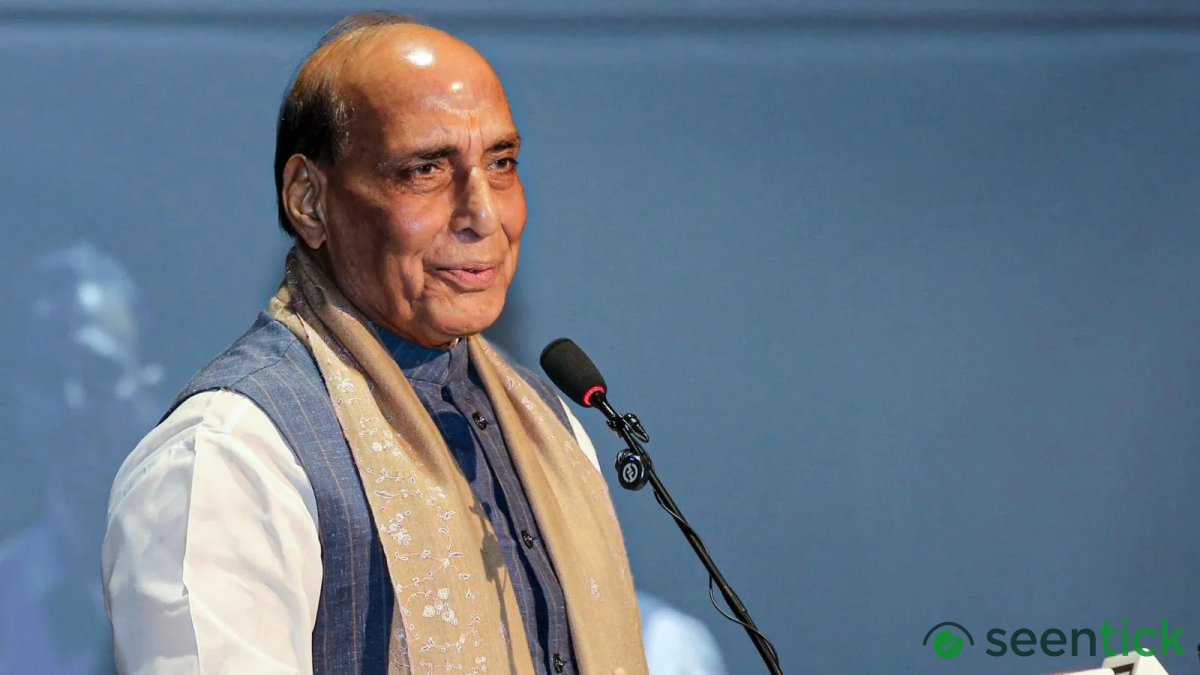
- Defence Minister Rajnath Singh has approved the transfer of technology for all conventional missile systems developed The decision is e
- The move comes after Defence Secretary Rajesh Kumar Singh highlighted the need for a conventional missile force in recent developments
- The initiative aims to enhance operational capability, strengthen the defence industrial base and create opportunities for Indian MSMEs
Defence Minister Rajnath Singh has approved the transfer of technology for all conventional missile systems developed The decision is expected to boost domestic production of these missile systems and reduce India's dependence on imports.
The move comes after Defence Secretary Rajesh Kumar Singh highlighted the need for a conventional missile force in recent developments in West Asia. Singh had stated that the idea earlier was that it would mostly be used for strategic purposes, but that paradigm has shifted now. For related coverage, explore our detailed analysis on Technology and Digital Systems.


Key Analysis and Detailed Timeline
The initiative aims to enhance operational capability, strengthen the defence industrial base and create opportunities for Indian MSMEs and other technology partners to participate in the supply chain.
The enhanced production of conventional missile systems is expected to support the growth of India's defence manufacturing sector. Authorities familiar with the development informed The Indian Express that the initiative could start with the DRDO-developed beyond-visual-range air-to-air missile (BVRAAM) ASTRA, surface-to-air anti-radiation missiles RUDRAM, VSHORADS, anti-tank guided missile NAG as well as short-range missile systems like the Naval Anti-Ship Missile (NASM).
Singh had shared the idea earlier was that it would mostly be used for strategic purposes, but that paradigm has shifted now, and India will thus adjust accordingly.
India Approves Technology Transfer for Conventional Missile Systems update
Read More: Union Minister Nitin Gadkari Sparks Speculation About Possible
Broader Impact and Sector Outlook
However, he added that India will not wait for the institutional part of raising a force, but will go on in parallel with providing the supply orders to industry to start scaling up production of missiles.
In a significant step towards building India's conventional missile force, Defence Minister Rajnath Singh Tuesday approved the transfer of technology for all conventional missile systems developed The decision paves the way for domestic production of these missile systems So far, the government had typically relied only on Defence PSU Bharat Dynamics Limited and certain in-house production capabilities of DRDO, while joint ventures like BrahMos Aerospace Private Limited with Russia manufactured the supersonic cruise missile BrahMos. Authorities familiar with the development informed The Indian Express that the initiative could start with the DRDO-developed beyond-visual-range air-to-air missile (BVRAAM) ASTRA, surface-to-air anti-radiation missiles RUDRAM, VSHORADS, anti-tank guided missile NAG as well as short-range missile systems like the Naval Anti-Ship Missile (NASM).
That stated, Agni and the K-series missiles will not be included in the technology transfer as they are strategic missiles, the authorities highlighted. A statement delivered “The objective is to enhance domestic manufacturing capabilities, strengthen the defence industrial base and create opportunities for the participation of Indian MSMEs and other technology partners in the supply chain,” it noted.
The Ministry further stated that the initiative aims to enhance operational capability, reduce import dependence and increase domestic value addition, while supporting the growth of India's defence manufacturing sector. “DRDO remains committed to working closely with Indian industry to facilitate the transfer and absorption of advanced defence technologies and to further strengthen the country's indigenous defence capabilities,” it added.
The enhanced production of conventional missile systems The US-Israel-Iran conflict had revealed the large-scale use of conventional missile systems The development follows Defence Secretary Rajesh Kumar Singh’s comments in a media conclave earlier this year, wherein he stated there is an emerging rationale for the creation of a conventional missile force due to recent developments in West Asia. Singh had stated the idea earlier was that it would mostly be used for strategic purposes, but that paradigm has shifted now, and India will thus adjust accordingly.
However, he added that India will not wait for the institutional part of raising a force, but will go on in parallel with providing the supply orders to industry to start scaling up production of missiles.
Frequently Asked Questions
What's Your Reaction?
 Like
0
Like
0
 Dislike
0
Dislike
0
 Love
0
Love
0
 Funny
0
Funny
0
 Wow
0
Wow
0
 Sad
0
Sad
0
 Angry
0
Angry
0

Tech journalist and AI enthusiast who enjoys keeping up with the latest in hardware, processors, emerging AI tools, and software. I like digging into new technology, understanding how things actually work, and following the developments that could shape the way we use technology in the future.












Comments (0)