

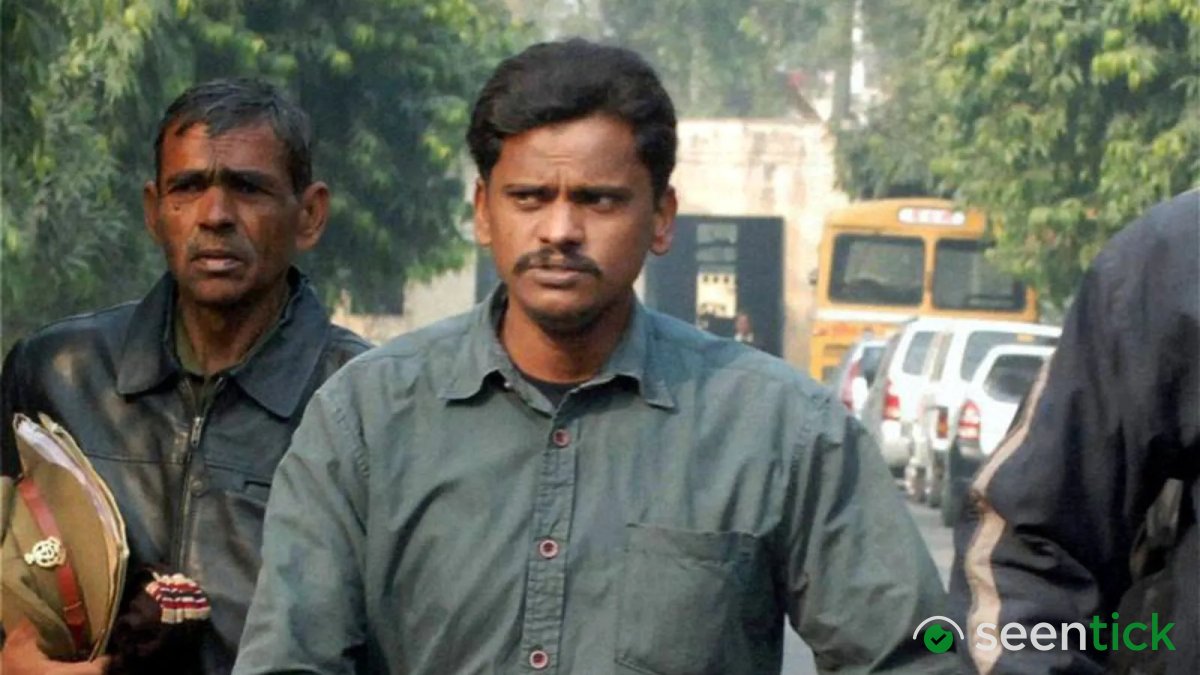
Koli's Descent into Darkness: 19 Years of Torture and Misjustice
Key Highlights
- The Nithari serial killings took place between 2005 and 2006.
- Pandher and Koli were convicted in February 2009 but later acquitted by the Allahabad High Court in October 2023.
- Koli spent 19 years in custody before his death.
Friday, in Haridwar, Surendra Koli, the man convicted and later cleared of multiple counts of rape, murder, and destruction of evidence in the Noida Nithari serial killings case, died apparently by suicide. His body was found hanging from a ceiling at a local tea stall.
According to Inspector Simarjeet Kaur, who led the investigation, Koli moved to Haridwar just months before his death, leaving behind a trail of unanswered questions and a legacy of systemic injustices that continue to haunt India's justice system. The Indian Express had reported in 2014 that Koli's family was from Almora, roughly 300km away.
However, the exact reason for his relocation remains unclear.
Read More: Former Kerala DGP Tomin J Thachankary Sentenced to Four Years in Disproportionate Assets Case
The Nithari serial killings took place between 2005 and 2006. In May 2006, Payal Sarkar's disappearance led to the discovery of the first bodies in the drains behind a bungalow in Noida's Sector 31.
The police were initially ineffective, with some officers dismissing the disappearances as cases of "she must have eloped" or "she ran away", failing to address the gravity of the situation.
Pandher and Koli were convicted in February 2009. However, their convictions were later overturned by the Allahabad High Court in October 2023. The Supreme Court dismissed the state's appeals against these acquittals in July 2025, calling the earlier verdict a "manifest miscarriage of justice" that highlights the need for reform.
By then, Koli had spent 19 years in custody, while Pandher had been imprisoned for over a decade. Moninder Singh Pandher, who was also convicted and later cleared, had spoken about the trauma he experienced during his imprisonment, saying "He (Koli) said it was from 'sahab' slaughtering a chicken…". The case drew attention to issues of corruption.
Police incompetence, and the treatment of marginalized communities, sparking widespread outrage and calls for reform.
The Nithari serial killings were a highly publicized case that highlighted systemic failures and socio-cultural inequalities in India's justice system. The case also drew attention to the role of Rimpa Haldar, who was convicted of being an accomplice to Koli and Pandher. However, her conviction was later overturned.
The Nithari serial killings remain a stark reminder of the need for accountability and transparency in India's justice system. As the country continues to grapple with issues of systemic injustices, it is essential to learn from this case and work towards creating a more just and equitable society.
The death of Koli has raised questions about the state of mental health care in India's prison system. Jhabbu Lal, who was also involved in the case, had spoken about the psychological trauma he experienced during his imprisonment. By Christmas, 2012, Lal had been released from prison after serving time for his role in the killings.
What's Your Reaction?
 Like
1
Like
1
 Dislike
1
Dislike
1
 Love
Love
 Funny
Funny
 Wow
Wow
 Sad
2
Sad
2
 Angry
Angry

Tech journalist and AI enthusiast who enjoys keeping up with the latest in hardware, processors, emerging AI tools, and software. I like digging into new technology, understanding how things actually work, and following the developments that could shape the way we use technology in the future.










Comments (0)