

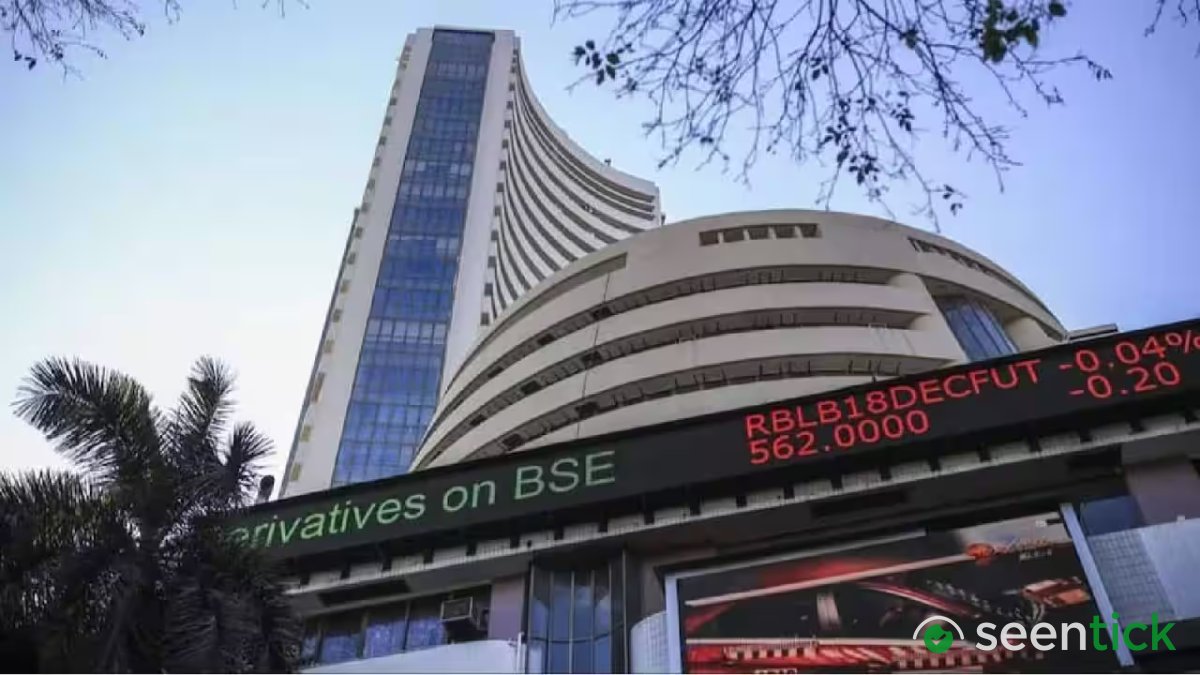
India Ranks as World's Most Vibrant Capital Market After United States
The Jefferies report argues that India’s equity market is currently in a better state of health than the US market. Analysts pointed to greater portfolio diversification and a very active mid-cap segment as key strengths. Unlike the US, India does not rely heavily on passive investing.
GREED & fear would also argue that it is much healthier than America’s. Equity portfolios are much more diversified the Jefferies report stated.
The analysis criticized the scale of passive investing in the US, calling it mindless investing on a gargantuan scale. This trend often leads to capital being allocated without looking at the actual value of individual stocks. Furthermore, Indian regulations do not allow "payment for order flow" on investment platforms.
Read More: Dalal Street Delivers Diwali Bonanza as Sensex Surges 1,609.54 Points
This regulatory difference further separates the Indian domestic market from the practices common in the United States.
Jefferies raised concerns about the massive concentration of global wealth in American stocks. As of December 24, 2024, the US represented 67.2% of the total global stock market value under the MSCI AC World Index. The report suggested this high percentage might be a peak.
It warned that foreign exposure to US equities could result in a "massive misallocation of capital" if market valuations eventually fall.
Data shows a major split in how international investors handle US assets. While foreign central banks are moving away from US government debt, private investors are buying more stocks. Foreign ownership of US Treasuries dropped from 36.4% in 2011 to just 11.5% by September 2026.
Also Read: India's Middle Class Struggles as Inflation Eats into Salary Hikes
During the same 12-month period ending in September 2026, international investors bought a net $945 billion in US equities. This heavy focus on American stocks could create deflationary risks for retail investors if prices drop.
The growth of the Indian market continues to be supported by local participation. Jefferies noted that the "lively mid-cap sector" provides opportunities that are often missing in more top-heavy global markets. By keeping its capital account closed, India has built a system that rewards internal investment.
This structure protects the market from the volatility often caused by rapid shifts in global tech stocks or changes in US monetary policy.
What's Your Reaction?
 Like
1
 Dislike
 Love
 Funny
 Wow
3
 Sad
 Angry

I write about the forces shaping business and the global economy, from startup growth and changing markets to international trade and policy. My work focuses on breaking down complex developments into clear, practical insights and understanding what they could mean for businesses, investors, and the wider economy.





















Comments (0)