


Car Bomb Tears Through Colombian City, Injuring Over 20
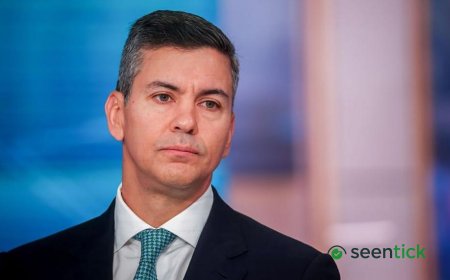
Abelardo de la Espriella, Colombia's president, has denounced a devastating car bomb attack in Villavicencio. There, at least 23 individuals were left wounded. The blast, which occurred outside the regional government headquarters, also caused significant damage to surrounding structures.
No group has claimed responsibility for the attack. This is the latest in a series of bombings targeting official buildings and security forces' headquarters. De la Espriella blamed "narcoterrorism" for the attack, but gave no further details.
President De la Espriella's administration is grappling with a surge in violence from armed criminal groups. Which have intensified their attacks in response to a military operation launched against them. The president has taken to social media to pledge that his government will respond with decisive force to any further violence.
Drawing a stark line in the blood of Colombian citizens.
Read More: HBO's 'Girls' Revival to Premiere in 2027 with Lena Dunham and Original Cast

A devastating car bomb explosion took place on the eve of a key milestone: the 10th anniversary of the historic peace agreement between the Colombian government and the Revolutionary Armed Forces of Colombia (Farc). The landmark accord, inked in 2016, marked a significant shift as thousands of Farc fighters relinquished their arms.
Yet, a substantial faction of Farc members, who opposed the agreement, opted out of disarmament and instead joined dissident groups, leaving the peace process with an unresolved chapter.
Following the signing of the deal, the Colombian government approved the extradition of rebel leaders to the US, in an effort to dismantle the remaining dissident groups. However, the move has been met with resistance from some quarters, with dissident Farc factions and criminal groups fighting for control of drug trafficking, illegal mining, and extortion rackets.
Tragedy has struck Tolima province, where a devastating car bomb attack claimed the lives of three adults and a baby, leaving a community in shock three weeks ago. The region's turmoil has only intensified with Monday's drone-borne explosives targeting the police headquarters in Cúcuta. Further destabilizing the already volatile northern city.

Colombia's new president has vowed to take a tough stance against the perpetrators of the attack, stating that "there will be no impunity and no retreat". The government's response to the attack has been widely criticized by former President Juan Manuel Santos. Who defended the peace deal in an interview with BBC Mundo.
Also Read: Indonesian President Prabowo Subianto Vows to Crack Down on Companies Causing Toxic Haze
Contextual Subheading: Background on the Peace Deal
The peace deal, which was signed in 2016, was a major achievement for the Colombian government. However, its legacy is still being felt. The deal led to thousands of left-wing rebel fighters laying down their arms.
However, it also left a power vacuum that has been exploited by dissident groups.
Contextual Subheading: Recent Attacks
The recent attacks on official buildings and security forces' headquarters have raised concerns about the stability of the country. The government's response to the attacks has been criticized by some. Who argue that it has not done enough to address the underlying causes of the violence.
Consequences of the Deal
The peace deal has had a significant impact on the country, but its consequences are still being felt. The deal led to a significant reduction in violence.
What's Your Reaction?
 Like
2
 Dislike
 Love
 Funny
 Wow
1
 Sad
1
 Angry
1

I write about the forces shaping business and the global economy, from startup growth and changing markets to international trade and policy. My work focuses on breaking down complex developments into clear, practical insights and understanding what they could mean for businesses, investors, and the wider economy.

















Comments (0)