

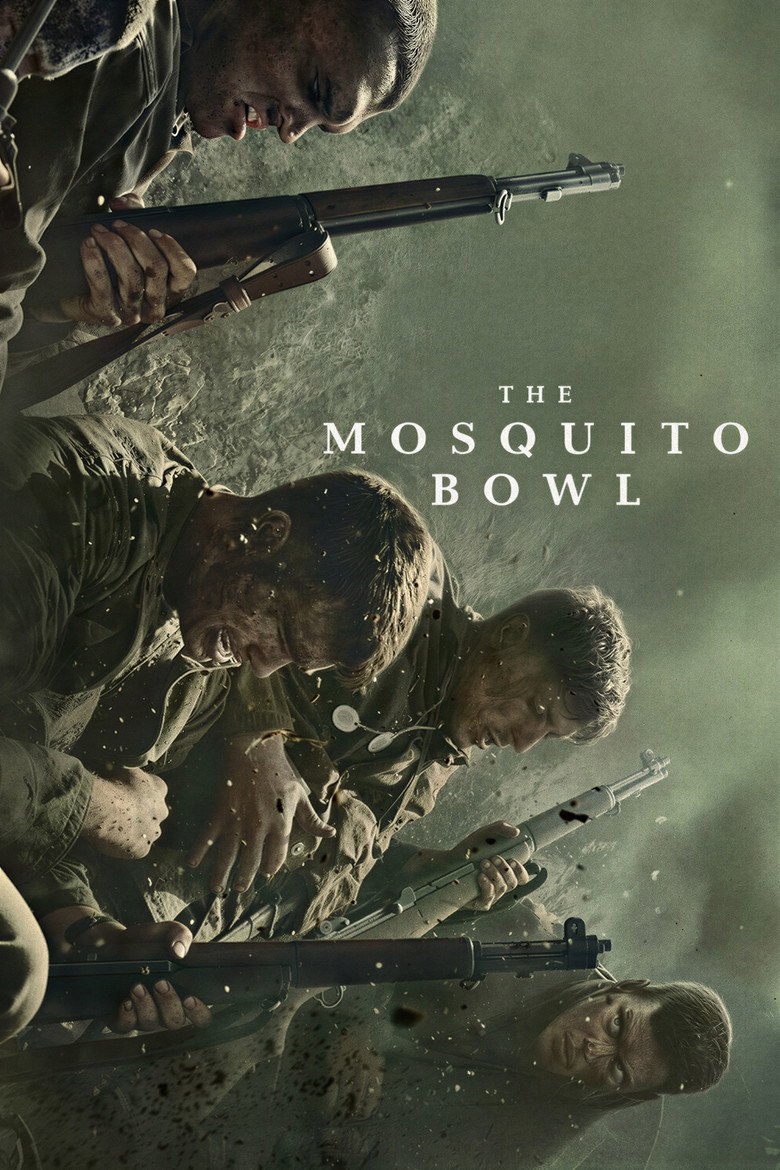
The Mosquito Bowl Movie Review: Trained For Glory, Called To War
A visceral, heart-wrenching blend of sports drama and war epic that honors the fallen with grit and grace.
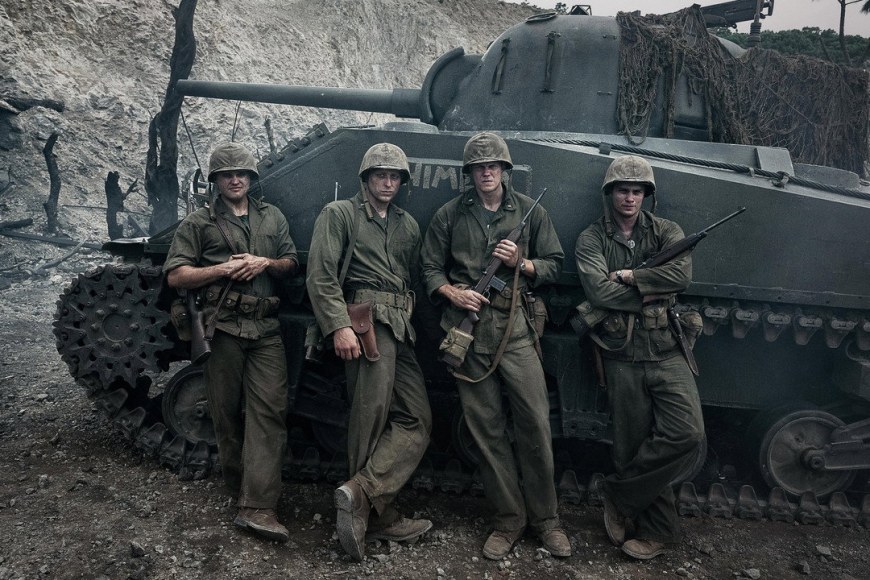
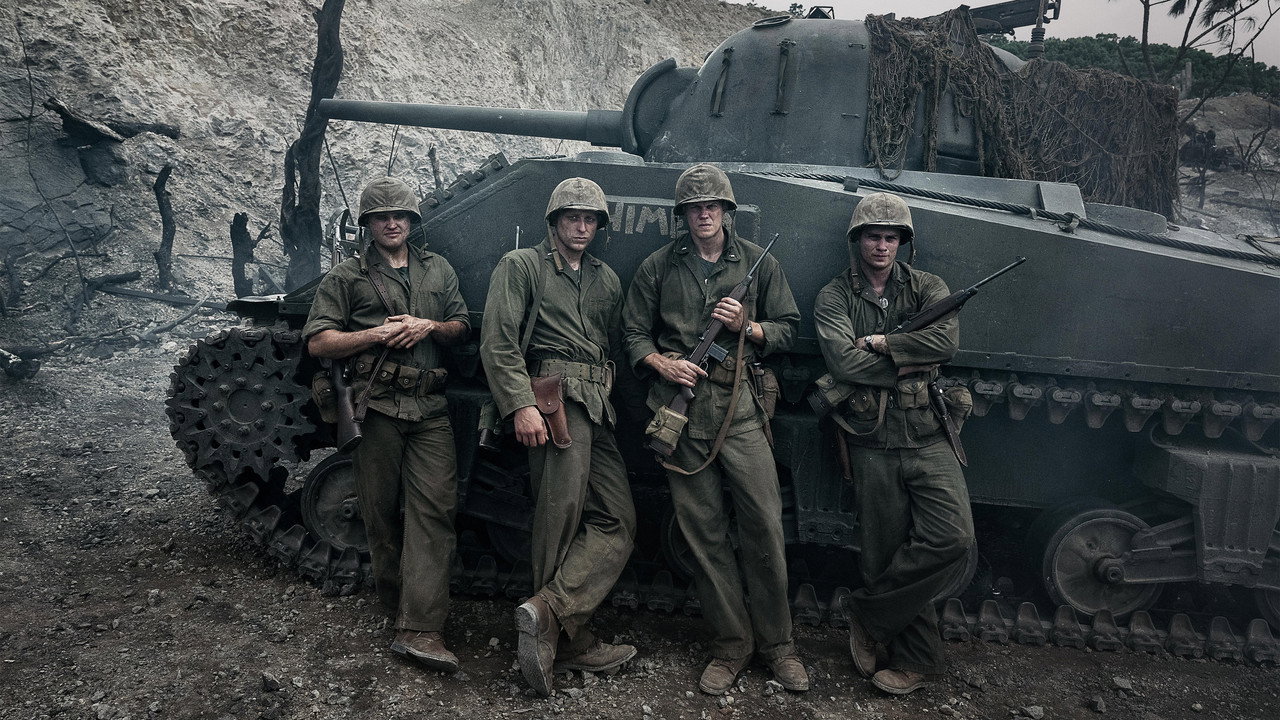
Peter Berg has always possessed a kinetic eye for men under pressure. In The Mosquito Bowl, he finds his most haunting canvas yet. He trades the modern tactical gear of Lone Survivor for the muddy, sweat-soaked fatigues of 1944. The film captures the surreal transition from Saturday morning touchdowns to the harrowing silence of the Guadalcanal jungle.
From the End Zone to the Front Lines
The film spends its first act establishing the golden-boy aura of its leads. Nicholas Galitzine plays the star quarterback with a quiet, burdened charisma that feels genuinely period-accurate. We see these young men not as soldiers, but as icons of an American innocence that is about to be systematically dismantled. Berg cleverly uses football metaphors not as clichés, but as the only language these boys have to process impending mortality.
Skarsgård and Galitzine: A Brotherhood Forged in Mud
Bill Skarsgård delivers a career-best turn as the cynical linebacker turned weary sergeant. His chemistry with Galitzine provides the film’s emotional spine, grounding the chaos of the Pacific theater. Ray Nicholson and Tom Francis round out a cast that feels like a lived-in locker room. Their banter provides much-needed levity before the script plunges them into the visceral, terrifying reality of island warfare.
The Brutal Choreography of the Guadalcanal Gridiron
The titular "Mosquito Bowl"—a legendary football game played on a dirt field between regiments-is a masterpiece of direction. Berg captures the violence of the sport and the violence of the war with identical intensity. The sound design is punishing, blending the crack of helmets with the distant thud of mortar fire. It is a sequence that highlights the absurdity of playing a game while surrounded by the machinery of death.
A Haunting Reflection on the Cost of Heroism
While the second half occasionally leans into familiar war movie beats, the performances keep it afloat. The pacing slows down to allow the psychological toll on the survivors to truly sink in. It avoids the trap of mindless patriotism, choosing instead to focus on the hollow feeling of being a "hero" when your friends are gone. The final frames linger long after the credits, serving as a somber tribute to a generation of lost athletes.
Also Read: Zakir Khan: Papa Yaar Movie Review: Zakir Khan Anchors an Electrifying Comedy Journey
A visceral, heart-wrenching blend of sports drama and war epic that honors the fallen with grit and grace.
What's Your Reaction?
 Like
 Dislike
 Love
2
 Funny
1
 Wow
1
 Sad
 Angry

Movies, series, and everything happening around Indian entertainment keep me busy. I cover OTT releases, box-office conversations, celebrity news, and the changing world of streaming, with a particular interest in the stories and trends that audiences are talking about right now.














Comments (0)