

Dognosis Uses AI and Sniffer Dogs for Early Cancer Detection
The Bengaluru-based startup Dognosis is launching a new screening tool that combines the natural scent abilities of dogs with artificial intelligence. Founded in 2023, the company aims to provide a non-invasive way to detect cancer at home.
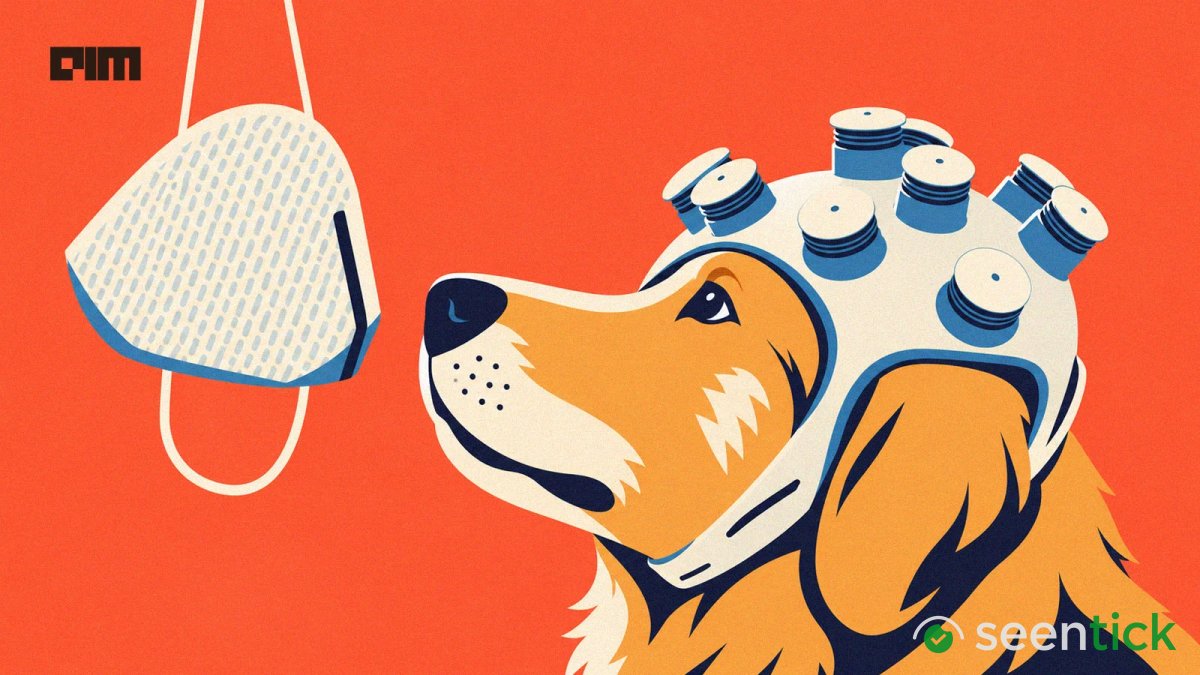
The system uses trained dogs to sniff masks worn by users to identify specific chemical changes. These dogs can detect volatile organic compounds (VOCs) that are often linked to various types of cancer.
Co-founder Akash Kulgod started the project after seeing how dogs were used to identify COVID-19 cases globally. He teamed up with Itamar Bitan, a former member of the Israel Defense Forces canine unit. Bitan previously trained dogs to find explosives and detect Parkinson’s disease.
Together, they developed DogSense, a brain-computer interface that tracks a dog's brainwaves and body language during the sniffing process.
Dogs possess 300 million olfactory receptors, making them far more sensitive to smells than humans. However, their accuracy can drop if they get tired or distracted. To solve this, Dognosis built an AI model based on Meta’s V-JEPA class.
Read More: Anthropic Study Finds Internal Friction Stalls Corporate AI Adoption
This model analyzes video of the dog and combines it with sensor data from their respiration and brain activity. Kulgod noted that current large language models "can't yet read dogs from their body language and their brainwaves."
The system assigns a score from 0 to 100 based on the dog's behavioral cues. Multiple dogs check each sample to ensure the results are consistent. According to an official report, the startup has already analyzed 10,000 samples.
The tool is designed as a pre-screening step rather than a final diagnosis. If a user receives a high score, the company directs them to a partner site for medical imaging and biopsies.
A clinical trial published in the Journal of Clinical Oncology validated the technology earlier this year. The study included 3,000 participants, with 283 people who had confirmed cancer. About 100 of those cases were in the early stages of the disease.
Dognosis claims its method can detect roughly 80% of the cancers commonly found in India, including breast, cervical, and gastrointestinal types.
The startup has raised significant capital to scale its operations. Accel India led a $1.5 million funding round recently. Earlier, Boost VC provided a "plus check" in January 2024.
The company also won a $75,000 contract from the Singapore government for explosive detection research. Most of these funds have gone toward research, development, and building a specialized lab called SniffSpace.
Also Read: Anthropic MCP SDK Surges to 700 Million Monthly Downloads
Dognosis plans to launch its service in Bengaluru early next year. The company is currently inviting people over the age of 35 to join a waitlist.
While final pricing is not yet public, Kulgod stated that "the goal is to fix a cost that everyone in India can afford." Members will receive free follow-up consultations if the screening flags a potential issue.
The startup also intends to expand into the United States by late next year. Beyond screening services, Dognosis plans to open a "sniff gym" in Bengaluru. This facility will allow pet owners to train their own dogs in scent detection.
The company will then recruit the most capable dogs from these gyms to help process blood samples and scale their operations globally.
What's Your Reaction?
 Like
2
 Dislike
 Love
 Funny
 Wow
3
 Sad
 Angry

Tech journalist and AI enthusiast who enjoys keeping up with the latest in hardware, processors, emerging AI tools, and software. I like digging into new technology, understanding how things actually work, and following the developments that could shape the way we use technology in the future.




















Comments (0)