

Collapsed glacier: likely caused devastating Nepal-Tibet floods, scientists say
Collapsed glacier: likely caused devastating Nepal-Tibet floods, scientists say
- This video can not be played Aerial footage shows floods on Nepal-Tibet border Preliminary investigations have pointed to a fainted gla
- However, the US Geological Survey then clarified that the disaster was caused The impact of the fainted glacier hitting the bottom of a
- He estimated that the glacier fainted in a northwesterly direction and then travelled westwards downstream. Scientists say a fainted gl
This video can not be played Aerial footage shows floods on Nepal-Tibet border Preliminary investigations have pointed to a fainted glacier as the cause of the flash flood on the Nepal-Tibet border, highlighting the issue of rapidly melting Himalayan ice, scientists have informed the BBC. Initial reports of an earthquake led many to believe that a tremor had caused a landslide, which in turn caused the flood that has killed at least 177 people.
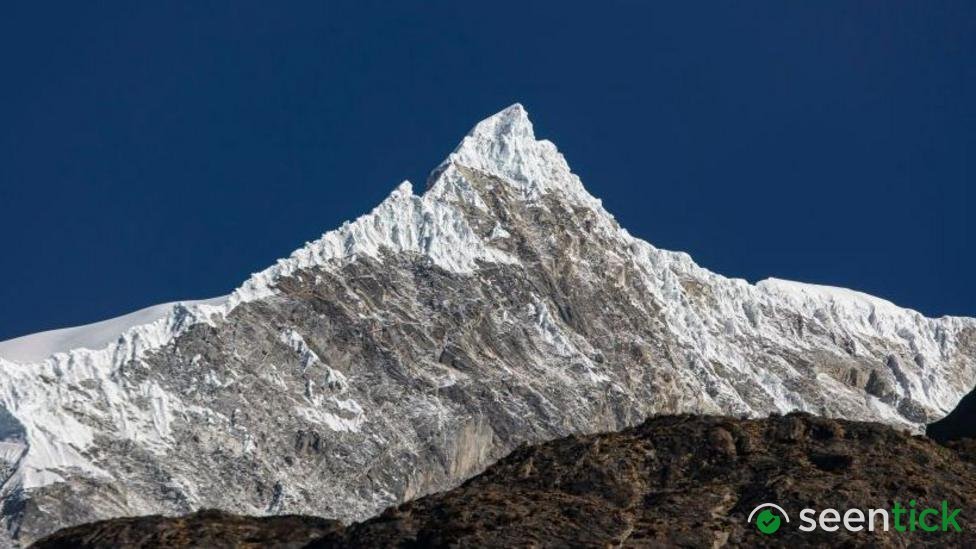
However, the US Geological Survey then clarified that the disaster was caused The impact of the fainted glacier hitting the bottom of a valley was so powerful that it filed a magnitude of 5.2, according to USGS data and scientists who have analysed the event. Dr Simon Cook, a glacier expert with the University of Dundee, informed the BBC his team had detected that the lower part of a glacier in Nepal near the Langtang Lirung peak - which is approximately 15km (9 miles) west of the site of the floods - had fainted.


For related coverage, explore our detailed analysis on Technology and Digital Systems.
Estimated Glacier Fainted Northwesterly Updates
He estimated that the glacier fainted in a northwesterly direction and then travelled westwards downstream. Scientists say a fainted glacier near the Langtang Lirung peak likely caused the disaster More than 800 missing in Nepal as authorities say glacial collapse triggered flash flood People pulled from mud in Nepal after deadly flash floods What we know about deadly Nepal-Tibet floods Video shows scale of flash flood hitting Nepal-Tibet border An analysis , external This caused a "large volume of ice and rock debris" to enter the Lende Khola, a tributary of the Bhote Koshi river, which in turn generated a sudden surge in the river carrying water, sediment and large boulders downstream.
The centre found that water levels in rivers downstream rose between seven to nine metres within a span of 30 minutes, and several water monitoring stations were washed away or damaged. Mike Searle, a professor of earth sciences at Oxford University, shared that this whole process - from landslide to flood - could have taken hours or even days.
"The sheer wave of debris suggests there could have been a landslide first; the water built up, dammed the river, and then it burst in one huge great flood," he told the BBC. The topography of the area could have also exacerbated the flood.
Searle pointed out that Langsang Lirung sits on the crest of the high Himalayas and there are "incredibly steep valleys" on both sides of the mountain, which could have funnelled the water at higher speeds.
Read More: Wildfires Kill Dozens in Algeria as Heatwave Bites Northern Africa
Images Scene Show Steep Updates
Images from the scene show the steep sides of the affected valley It is still unclear what caused the glacier to collapse on Wednesday. Searle shared that Langsang Lirung, like the rest of the Himalayas, has been slowly rising due to long-term tectonic movement, where one plate has been pushing another plate up.
"It's like putting a jack under the car, and then jacking it up." "As the mountain is rising, the glacier gets steeper and steeper, and it's inevitable that parts of it fall off." But usually these are smaller chunks which temporarily block the rivers, and are easily flushed out, he shared.
However, in this disaster, the whole glacier seems to have fainted "in one go", which Searle shared is "very unusual". "These floods happen all the time, but not at this scale." He shared Wednesday's event likely happened because of "two different processes - tectonics with the Himalayas uplifting, and then climate change with increasingly high temperatures and melting of glaciers.
"The whole thing is combining to form these catastrophic disasters that we are now seeing at a regular basis." Scientists for years have warned of melting ice and permafrost, which is centuries-old frozen soil, in the Himalayas due to climate change. One analysis released This in turn exacerbates dangers such as flooding.
Dr Cook pointed out that there have been similar incidents of floods and landslides caused In 2021, a large chunk of a Himalayan glacier fainted in the valley of Chamoli in northern India, sending a cascade of debris and water downstream that killed 200 people.
Scientists later estimated that the impact of the collapse was equivalent to 15 atomic bombs. Even in Nepal, the same region saw flooding last year caused Mohd Farooq Azam, a specialist with ICIMOD, shared the increasing frequency of hazards in the cryosphere - or the frozen parts of the Earth - "is becoming more visible than ever before.
The pace of change is so rapid." While it is difficult to say whether any single event is caused "The logic is that with a warming planet, you will see shrinking glaciers, lots of snow melt. The permafrost that is partially holding some mountainsides together is warming and thawing and degrading." "So you are going to get more landslides, debris flows, glacial meltwater, lake outbursts, glacier collapses, because climate warming ultimately destabilises these high mountain environments."
Frequently Asked Questions
What's Your Reaction?
 Like
0
Like
0
 Dislike
0
Dislike
0
 Love
0
Love
0
 Funny
0
Funny
0
 Wow
2
Wow
2
 Sad
0
Sad
0
 Angry
0
Angry
0

I write about the forces shaping business and the global economy, from startup growth and changing markets to international trade and policy. My work focuses on breaking down complex developments into clear, practical insights and understanding what they could mean for businesses, investors, and the wider economy.














Comments (0)