

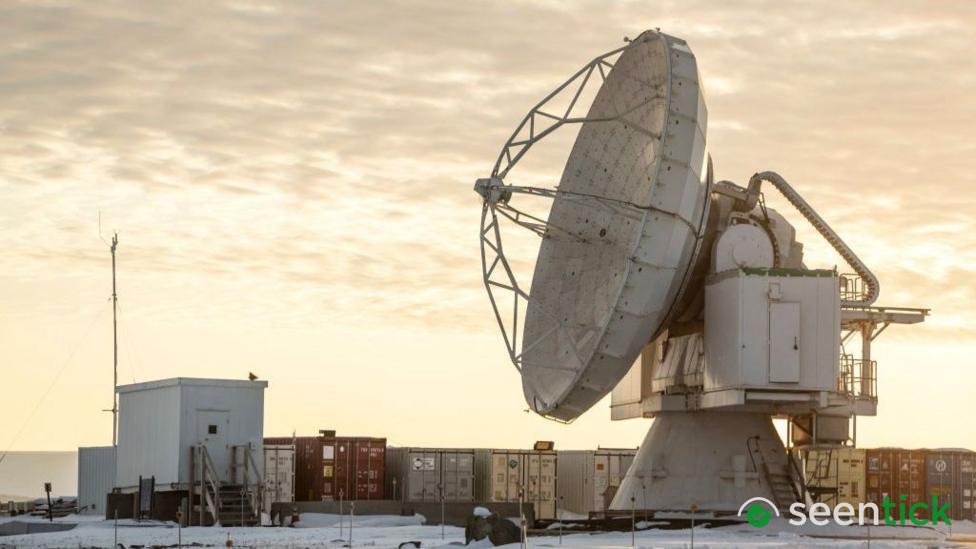
US Deploys First Official Space Weapon in Earth's Orbit, Says Secretary of Air Force
Key Highlights
- The United States has confirmed it deployed a space weapon in Earth's orbit for the first time.
- US Secretary of the Air Force Troy Meink said the on-orbit weapon was necessary to safeguard US forces against hostile enemy action.
- The deployment marks a significant shift in the country's approach to military strategy and space-based capabilities.
The United States has confirmed it deployed a space weapon in Earth's orbit for the first time. Acknowledging offensive capabilities that have been shrouded in secrecy until now. The announcement comes as tensions between the US and its adversaries continue to escalate.
With Russia and China already boasting advanced space-based military capabilities.
US Secretary of Air Force Troy Meink Speaks Out
The on-orbit weapon was necessary to safeguard US forces against hostile enemy action said US Secretary of the Air Force Troy Meink. "These capabilities can be employed for offensive and defensive purposes at the direction of combatant commands."
Boosting Military Capabilities in Space
Senior military leaders have previously stated their intention to boost military capabilities in space. Citing Russian and Chinese programs developing ways to attack and disrupt US satellites in a future conflict. The Trump administration has emphasized the importance of space-based capabilities as part of its "Golden Dome" defence system.
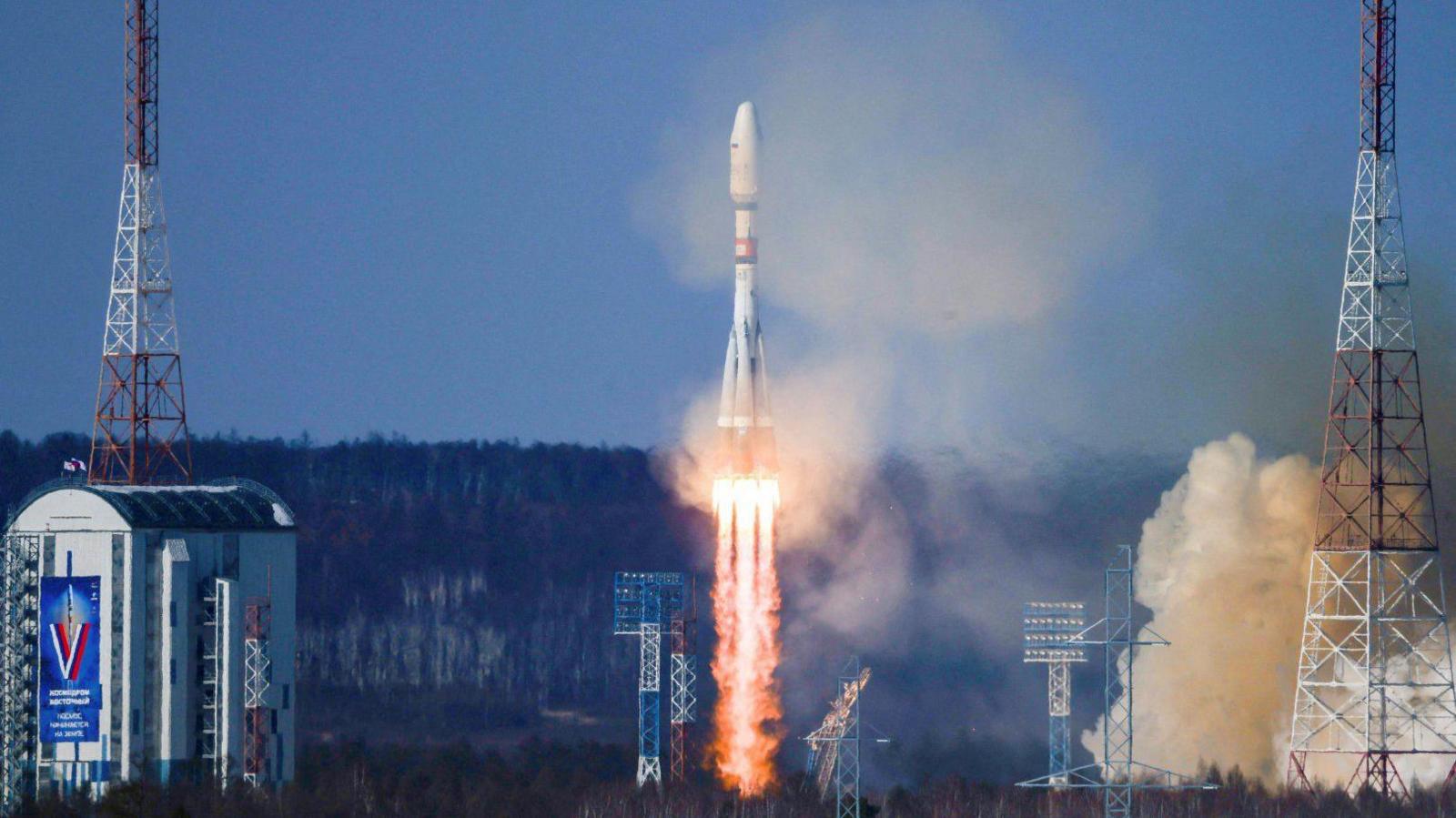
Historical Context: 1967 Treaty Banned Weapons of Mass Destruction
A 1967 treaty banned weapons of mass destruction in orbit. However, since then, key powers including the US, Russia, and China have been exploring other capabilities outside of the treaty. Targeting rivals' satellites has become a critical aspect of military communications, surveillance, and navigation.
US Space Force's New Role
The US Space Force, launched in 2019 as a way to protect American assets in space, now finds itself at the forefront of this emerging conflict. The service is developing and operating space and counterspace capabilities as part of a military modernisation strategy.
Develops Operates Space Counterspace Capabilities
"develops and operates space and counterspace capabilities as part of a military modernisation strategy," said a US Space Force spokesperson. Russia "views space as a warfighting domain and believes space supremacy will be a decisive factor in future conflicts".
Russia's Anti-Satellite Capabilities
In early February, it was revealed that two Russian satellites have likely intercepted the communications of at least a dozen European ones since Russia's invasion of Ukraine in 2022. In 2024, the US shared Russia had launched a satellite which it believed may be capable of attacking other such checks.
Read More: Turkish police detain dozens in raids on gay bars and homes of LGBTQ+ activists
US Response to Russia
The US has confirmed that Russia likely launched an anti-satellite weapon, which is seen as a significant escalation in the conflict. The deployment of this space weapon marks a new chapter in the ongoing arms race between the US and its adversaries.
Situation Continues Unfold Remains Seen
As the situation continues to unfold, it remains to be seen how the international community will respond to this development. The US Space Force is expected to provide further updates on its capabilities and plans in the coming weeks.
The deployment of a space weapon As tensions between nations continue to rise. It remains to be seen how this development will play out in the months and years to come.
Key Background and Context
The US has confirmed it deployed a space weapon in Earth's orbit. The first time it has acknowledged such offensive capabilities. US Secretary of the Air Force Troy Meink shared the "on orbit" weapon was necessary to safeguard US forces against hostile enemy action.
Speaking at the Air, Space and Cyber Conference on Monday, Meink shared the US was ready for "evolving threats", but did not elaborate on the weapon's capabilities or when it was put into orbit. Senior military leaders have previously said they planned to boost military capabilities in space.
Citing Russian and Chinese programmes developing ways to attack and disrupt US satellites in a future conflict. The Trump administration has shared that space-based capabilities - and interceptor missiles - are a vital part of its planned "Golden Dome" defence system to protect the US from missiles and other airborne threats.
A 1967 treaty banned weapons of mass destruction in orbit. Since then, key powers including the US, Russia, and China have been exploring other capabilities outside of the treaty, such as targeting rivals' satellites - which are key for military communications, surveillance and navigation.
Last year President Donald Trump released an executive order underlining the US Space Force's role in not only defending assets. However, also as an attacking force. The US Space Force - the newest branch of the US military in more than 70 years - was launched in 2019 as a way to protect American assets in space.
This includes hundreds of satellites used for communication and surveillance. A US Space Force spokesperson said: "Space control encapsulates the mission areas required to contest and control the space domain â employing kinetic and non-kinetic means to affect adversary capabilities through disruption. Degradation and even destruction, if necessary.
"These capabilities can be employed for offensive and defensive purposes at the direction of combatant commands." In early February, it was revealed that two Russian satellites have likely intercepted the communications of at least a dozen European ones since Russia's invasion of Ukraine in 2022. Such interceptions may have allowed Russian intelligence services to read the sensitive data they transmit.
Or hypothetically, even to take control of the satellites. In 2024, the US shared Russia had launched a satellite which it believed may be capable of attacking other such checks. Russia did not publicly comment on the issue.
The US Space Force says China "develops and operates space and counterspace capabilities as part of a military modernisation strategy," while Russia "views space as a warfighting domain and believes space supremacy will be a decisive factor in future conflicts". US says Russia likely launched anti-satellite weapon The US has confirmed it deployed a space weapon in Earth's orbit.
The first time it has acknowledged such offensive capabilities. US Secretary of the Air Force Troy Meink shared the "on orbit" weapon was necessary to safeguard US forces against hostile enemy action.
Also Read: US Deports Afghan Woman in First Alien Terrorist Removal Court Case
Speaking at the Air, Space and Cyber Conference on Monday, Meink shared the US was ready for "evolving threats", but did not elaborate on the weapon's capabilities or when it was put into orbit. Senior military leaders have previously said they planned to boost military capabilities in space.
Citing Russian and Chinese programmes developing ways to attack and disrupt US satellites in a future conflict. The Trump administration has shared that space-based capabilities - and interceptor missiles - are a vital part of its planned "Golden Dome" defence system to protect the US from missiles and other airborne threats.
A 1967 treaty banned weapons of mass destruction in orbit. Since then, key powers including the US, Russia, and China have been exploring other capabilities outside of the treaty, such as targeting rivals' satellites - which are key for military communications, surveillance and navigation.
Last year President Donald Trump released an executive order underlining the US Space Force's role in not only defending assets. However, also as an attacking force. The US Space Force - the newest branch of the US military in more than 70 years - was launched in 2019 as a way to protect American assets in space.
This includes hundreds of satellites used for communication and surveillance. A US Space Force spokesperson said: "Space control encapsulates the mission areas required to contest and control the space domain – employing kinetic and non-kinetic means to affect adversary capabilities through disruption. Degradation and even destruction, if necessary.
"These capabilities can be employed for offensive and defensive purposes at the direction of combatant commands." In early February, it was revealed that two Russian satellites have likely intercepted the communications of at least a dozen European ones since Russia's invasion of Ukraine in 2022. Such interceptions may have allowed Russian intelligence services to read the sensitive data they transmit.
Or hypothetically, even to take control of the satellites. In 2024, the US shared Russia had launched a satellite which it believed may be capable of attacking other such checks. Russia did not publicly comment on the issue.
The US Space Force says China "develops and operates space and counterspace capabilities as part of a military modernisation strategy," while Russia "views space as a warfighting domain and believes space supremacy will be a decisive factor in future conflicts". US says Russia likely launched anti-satellite weapon.
Frequently Asked Questions
What's Your Reaction?
 Like
Like
 Dislike
 Love
1
Love
1
 Funny
Funny
 Wow
1
Wow
1
 Sad
Sad
 Angry
2
Angry
2

I write about the forces shaping business and the global economy, from startup growth and changing markets to international trade and policy. My work focuses on breaking down complex developments into clear, practical insights and understanding what they could mean for businesses, investors, and the wider economy.











Comments (0)