
The Ultra-Processed: Food Debate Is Missing How Americans Actually Eat
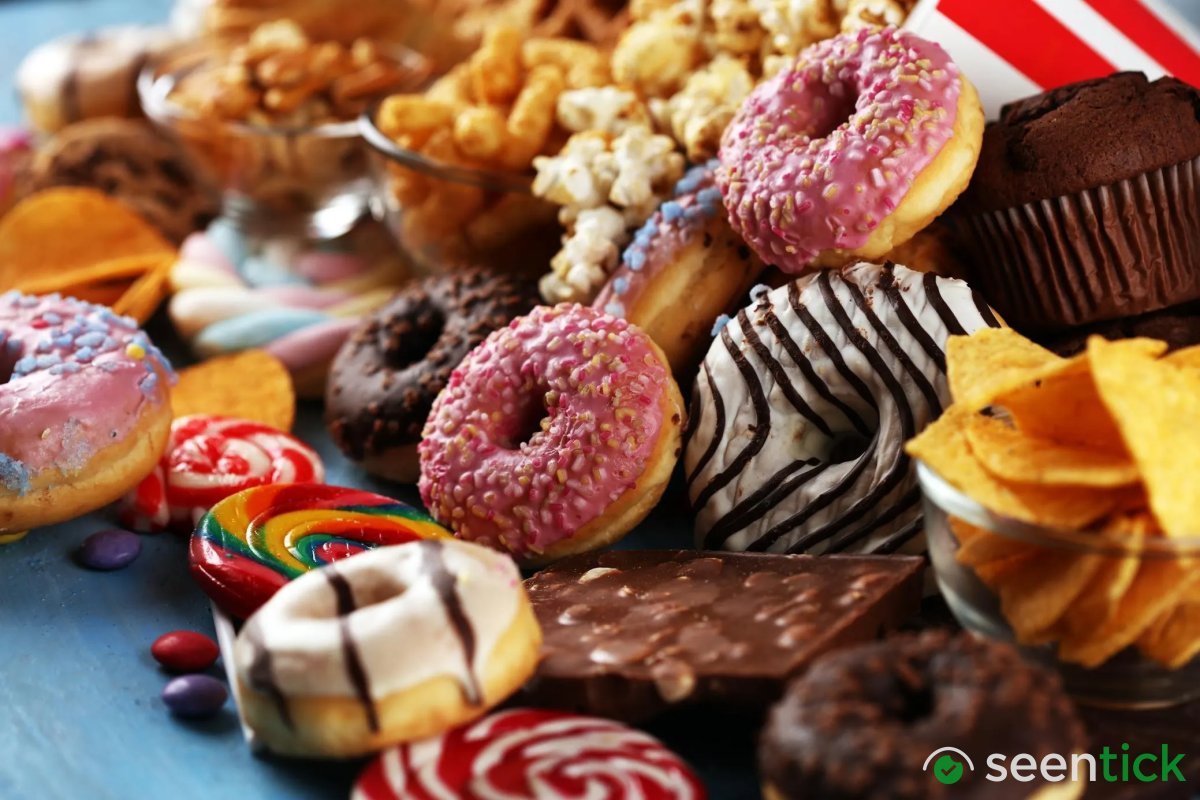
- Ultra-processed foods (UPFs) are poised to become a major focus of U.S. nutrition policy, but defining them is only half the challenge.
- Some are consumed frequently and contribute substantial calories or added sugars; others are eaten occasionally and in modest amounts.
- A definition tells us what a UPF is. How Americans consume it tells us how much it matters. The federal government is getting closer to
Ultra-processed foods (UPFs) are poised to become a major focus of U.S. nutrition policy, but defining them is only half the challenge. Foods sharing the same UPF classification can play very different roles in Americans’ diets.
Some are consumed frequently and contribute substantial calories or added sugars; others are eaten occasionally and in modest amounts. Consumers themselves also differ widely in how they use nutrition information and make food choices.


Before treating UPFs as a single public health concern, policymakers should consider how much people eat, how often, what they substitute and the role each food plays in the overall diet. For related coverage, explore our detailed analysis on Technology and Digital Systems.
Definition Tells What Americans Updates
A definition tells us what a UPF is. How Americans consume it tells us how much it matters. The federal government is getting closer to answering one of the most consequential questions in U.S.
nutrition policy: What exactly is an ultra-processed food (UPF)? The answer could shape far more than terminology. A definition emerging from the Make America Healthy Again (MAHA) agenda could eventually influence dietary guidance, front-of-package labeling, institutional food procurement and how consumers think about thousands of foods.
That makes getting the description right important. But defining ultra-processed foods is only half the job. Policymakers also need to understand how Americans actually consume the foods captured Otherwise, we risk confusing classification with public health impact.
Wrote Recently Forbes “Consumers Updates
As I wrote recently in Forbes , “Consumers don’t eat classifications. They eat diets.” That distinction should guide the next stage of the UPF debate. One challenge with broad UPF classifications is the enormous diversity of foods they can capture.
A food consumed several times a day and contributing substantial calories can sit in the same category as something eaten occasionally and in modest quantities. Yet their potential contributions to obesity and chronic disease may be very different. My earlier Georgetown University research illustrates the distinction.
Using NHANES data, we found that products such as sugar-sweetened beverages and packaged pastries contributed higher levels of calories and sugar to Americans' diets, while candy accounted for less than 1.8% of total calories and only 6.4% of added sugar. The consumer research also found that the healthiest consumer segment actually purchased candy more frequently than the population overall.
In other words, foods that may share an ultra-processed classification can have very different consumption patterns and contributions to the diet. This doesn't mean processing is irrelevant. Research has associated diets high in foods commonly classified as ultra-processed with obesity, cardiovascular disease and other adverse health outcomes.
But important questions remain about how and why these foods affect health. If the objective is healthier Americans, classification should therefore be the beginning of the analysis, not the end. Before translating a UPF definition into warning labels, procurement standards or other interventions, policymakers should ask: How much of these foods are Americans consuming?
How frequently? What do they contribute to calories and nutrients of concern? And would reducing their consumption meaningfully improve the overall diet?
Those questions can help distinguish meaningful population-health targets from foods whose UPF classification may matter considerably less. Chile provides an important real-world test. These policies changed purchasing behavior.
Read More: Dolly Parton: The ‘Queen Of Country’ Went Out A Rockstar
UNC-Chapel Hill research determined net reductions in purchases of 20.2% for sugar, 13.8% for sodium, 9.6% for saturated fat and 8.3% for calories from affected foods and beverages. Those are meaningful accomplishments.
But as I documented in a 2025 Georgetown University report examining front-of-pack labeling systems around the world, changing purchases is not the same as demonstrating better diets or improved health.
Chile illustrates that distinction particularly well. Despite this unusually comprehensive combination of taxes, warning labels and advertising restrictions, overweight and obesity have continued to rise. Pan American Health Organization (PAHO) data show adult overweight and obesity increasing from 72.6% in 2015 (the year before warning labels were introduced) to 78.8% in 2022.
PAHO projects the rate could reach 87% That does not prove the policies had no health benefit; obesity is influenced But it does demonstrate why reductions in purchases of targeted products cannot Consumers can purchase less of a targeted food but compensate elsewhere in their diets. Manufacturers can reformulate products without substantially changing total caloric intake.
And policies covering packaged foods can miss substantial consumption from restaurants and other foodservice venues. Chile therefore shouldn't be viewed simply as evidence that warning labels work or don't work.
Its experience demonstrates why nutrition policy must follow the full chain - from how foods are classified, to how consumers respond, to what they actually eat, and ultimately to whether health outcomes improve.
Stopping halfway tells us only part of the story. Food labels can provide useful information and influence purchasing decisions. But research also suggests that the same label does not affect every food, or every consumer, the same way.
That distinction is especially important because the consumers most attentive to nutrition information may not be those most in need of dietary change. Consumer segmentation research conducted The least health-active consumers also had substantially higher rates of overweight and obesity. That has important implications for UPF policy.
The warning may be the same. But the consumption pattern and potential public health impact may be quite different. A consumption lens would make a federal UPF definition more useful, not less.
It could help policymakers prioritize foods according to their actual contribution to American diets rather than treating every qualifying product as an equivalent public health concern. That's particularly important when the category is so broad. FDA estimates that roughly 70% of packaged products are commonly considered ultra-processed and that children receive more than 60% of their calories from such foods.
When a definition captures that much of the food supply, classification alone tells us too little. Policymakers need to know which foods people consume most, how much and how often, what they consume instead when behavior changes, and whether those changes ultimately improve health. A definition can tell us what an ultra-processed food is.
How Americans consume it tells us how much it matters. And ultimately, the measure of good nutrition policy isn't what we classify. It's whether Americans become healthier.
Frequently Asked Questions
What's Your Reaction?
 Like
0
Like
0
 Dislike
0
Dislike
0
 Love
0
Love
0
 Funny
0
Funny
0
 Wow
1
Wow
1
 Sad
0
Sad
0
 Angry
2
Angry
2

I write about the forces shaping business and the global economy, from startup growth and changing markets to international trade and policy. My work focuses on breaking down complex developments into clear, practical insights and understanding what they could mean for businesses, investors, and the wider economy.















Comments (0)