
Scientists Investigate Nepal Flash Flood After Ice-Rock Avalanche Triggered
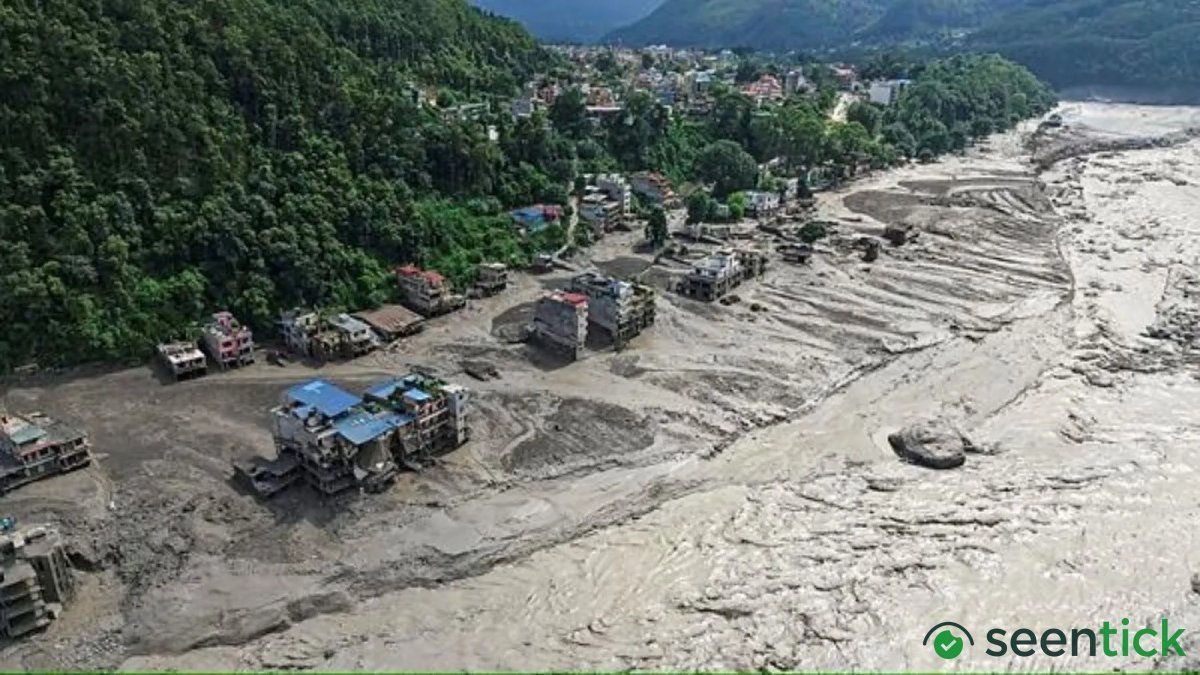
- A massive flash flood and mudslide struck Nepal's Rasuwa district on Wednesday, killing dozens and displacing thousands. The incident h
- According to ICIMOD, a research institution based in Nepal, an ice-rock avalanche from a high-altitude area may have triggered the disa
- “Preliminary assessment based on video footage and information from affected areas suggests that a large volume of ice and rock debris
A massive flash flood and mudslide struck Nepal's Rasuwa district on Wednesday, killing dozens and displacing thousands. The incident has left many in shock, and scientists are now investigating the possible cause behind this tragedy.
According to ICIMOD, a research institution based in Nepal, an ice-rock avalanche from a high-altitude area may have triggered the disaster. The avalanche allegedly occurred in the Lhende Khola area, which is a tributary of the Bhote Koshi river. For related coverage, explore our detailed analysis on Technology and Digital Systems.


Possible Cause: Ice-Rock Avalanche
“Preliminary assessment based on video footage and information from affected areas suggests that a large volume of ice and rock debris may have entered the Lende Khola,” said ICIMOD. “Researchers say the event could have generated a sudden surge that carried water, sediment and large boulders downstream,”
The flash flood and mudslide had a devastating impact on Rasuwa district, with water levels reportedly rising as much as 9 metres within just 30 minutes. The disaster also caused widespread damage to homes and infrastructure.
In a statement, ICIMOD noted the ‘exceptional speed and magnitude’ of the flood, adding that experts are assessing whether debris temporarily blocked the river at a narrow section, forming a landslide dam. Such blockage could create a ‘secondary hazard’ if impounded water is suddenly released.
Devastating Impact
The investigation into the cause of the flash flood and mudslide is ongoing. Authorities have issued evacuation orders for Jilong port and are working to provide relief to those affected
With the full extent of the damage still unknown, it's clear that this tragedy has left a lasting impact on Rasuwa district and beyond.
Read More: Ajit Doval, Wang Yi look to ‘make progress on boundary delimitation’
ICIMOD added that experts are assessing whether debris temporarily blocked the river at a narrow section, forming a landslide dam.
Such blockage, it shared, could create a ‘secondary hazard’ if impounded water is suddenly released.
Scientists from the International Centre for Integrated Mountain Development (ICIMOD), along with partner institutions in Nepal and China, are investigating whether an ice-rock avalanche from a high-altitude area could have triggered the massive flash flood and mudslide on the Nepal-Tibet border on Wednesday. ICIMOD is a Nepal-based intergovernmental institution leading the global effort to protect the Hindu Kush Himalaya (HKH) region.
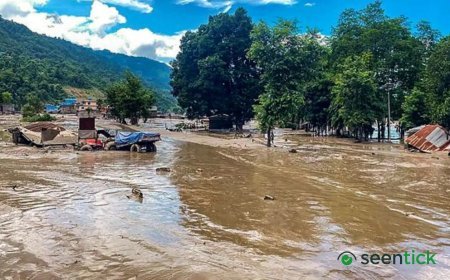
On Wednesday earlier today, devastating flash floods struck Nepal’s Rasuwa district, downstream of Tibet, triggering water, sediment and boulders through Bhote Koshi and Trishuli rivers. Rescuers use earthmovers to reach submerged houses after flash flooding along the Trishuli River in Nepal's Nuwakot district (AP Photo) “Preliminary assessment based on video footage and information from affected areas suggests that a large volume of ice and rock debris may have entered the Lende Khola, a tributary of the Bhote Koshi river.
Researchers say the event could have generated a sudden surge that carried water, sediment and large boulders downstream,” ICIMOD stated in a press release delivered on Wednesday evening. “The same site devastated “An ice avalanche in the Lhende Khola is the suspected trigger, but the cause remains unconfirmed.
With a blockage still lodged upstream on the Nepal-China border, authorities warn a second flood is imminent and evacuation orders are now in place for Jilong port,” it stated. ICIMOD noted the ‘exceptional speed and magnitude’ of the flood and added that water levels within 30 minutes reportedly rose as much as 9 metres on the Trishuli river at Galchhi and Galchhi and Malekhu are part of Dhading district and nearly 80 km from Kathmandu.
ICIMOD added that experts are assessing whether debris temporarily blocked the river at a narrow section, forming a landslide dam. Such blockage, it stated, could create a ‘secondary hazard’ if impounded water is suddenly released.
Frequently Asked Questions
What's Your Reaction?
 Like
0
Like
0
 Dislike
0
Dislike
0
 Love
0
Love
0
 Funny
0
Funny
0
 Wow
0
Wow
0
 Sad
0
Sad
0
 Angry
2
Angry
2

Tech journalist and AI enthusiast who enjoys keeping up with the latest in hardware, processors, emerging AI tools, and software. I like digging into new technology, understanding how things actually work, and following the developments that could shape the way we use technology in the future.












Comments (0)