


The Black Ball Wins Standing Ovation at Toronto Film Festival, Spain's Oscar Entry for LGBTQ Rights
Key Highlights
- Penelope Cruz and Glenn Close cameos in Spanish Oscar contender The Black Ball.
- Director Javier Ambrossi's best director award win at Cannes.
- The Black Ball selected as Spain's international feature film Academy Award contender.
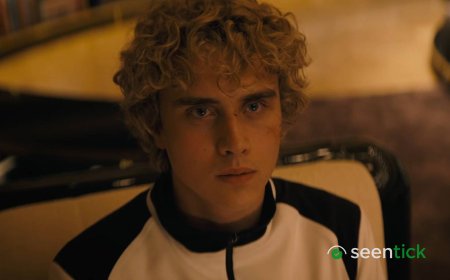
Spain's Oscar entry "The Black Ball" has proven buzzy across the festival circuit, as its powerful message championing LGBTQ rights emerges from intertwined storylines revolving around sexuality and the Spanish Civil War.
The drama featuring cameos by the likes of Penelope Cruz and Glenn Close received a standing ovation Tuesday at the Toronto Film Festival, accolades that arrived the eve before Spain selected the film known as "La Bola Negra" in Spanish as its international feature film Academy Award contender.
Directors Javier Ambrossi and Javier Calvo, a creative duo affectionately known as "Los Javis" and who were until recently a couple, are famous in Spain particularly for their television work, if less widely known on the international stage.
But their stars are rising after a smash debut of the film at Cannes. There, it won the best director award that was shared with Pawel Pawlikowski.
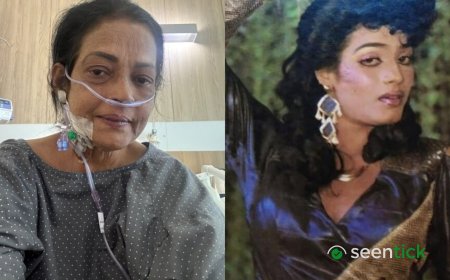
Read More: Disco Shanthi Hospitalised, Fans Worried About Her Health
"It's a tribute to the LGBTQ community" of the past that fought for human rights, Ambrossi told AFP.
Speaking to journalists at a press conference at TIFF, he said "we wanted to make it big."
The story spooled into existence as they developed the film, he explained.
Ambrossi said, "but we understood there was a political statement behind it" that allowed for an "epic gay drama for everyone."
The filmmakers noted that many countries still have anti-LGBTQ laws. And people within the community can be persecuted or even killed for their sexuality.
Also Read: Zack Snyder Reveals Catharsis After Warner Bros. Executive Acknowledges He Was Right
Calvo emphasized that the film is "about empathy and humanity and seeing the other as a person."
Early inspiration came from the unpublished play, They shared. the four pages of unfinished writing sparked their curiosity and drew them.
"We got obsessed with his work," Calvo told journalists, saying they immersed themselves in Lorca's writings, correspondence and biographies.
"We were trying to connect with what he wanted to do," the filmmaker added. "It was years, years of working."
Frequently Asked Questions
What's Your Reaction?
 Like
2
Like
2
 Dislike
 Love
Love
 Funny
Funny
 Wow
1
Wow
1
 Sad
Sad
 Angry
1
Angry
1

Movies, series, and everything happening around Indian entertainment keep me busy. I cover OTT releases, box-office conversations, celebrity news, and the changing world of streaming, with a particular interest in the stories and trends that audiences are talking about right now.









Comments (0)